Migration Crisis in Ceuta: A Humanitarian Emergency
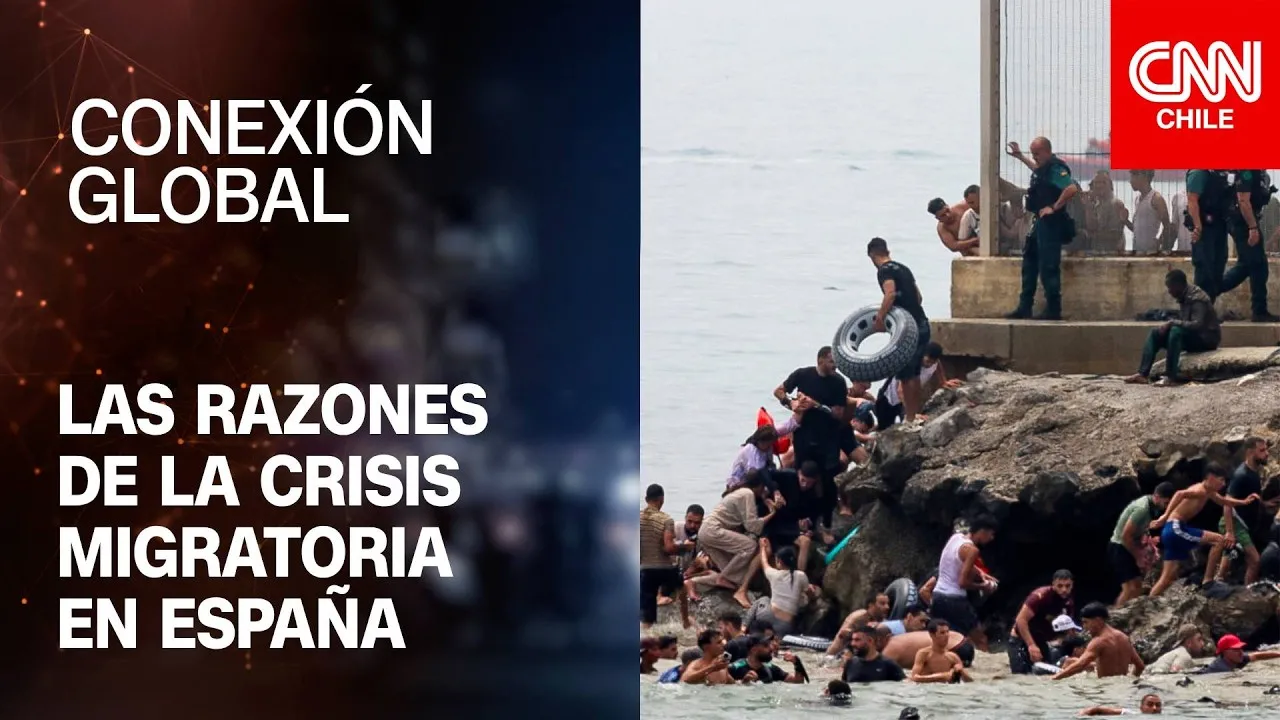
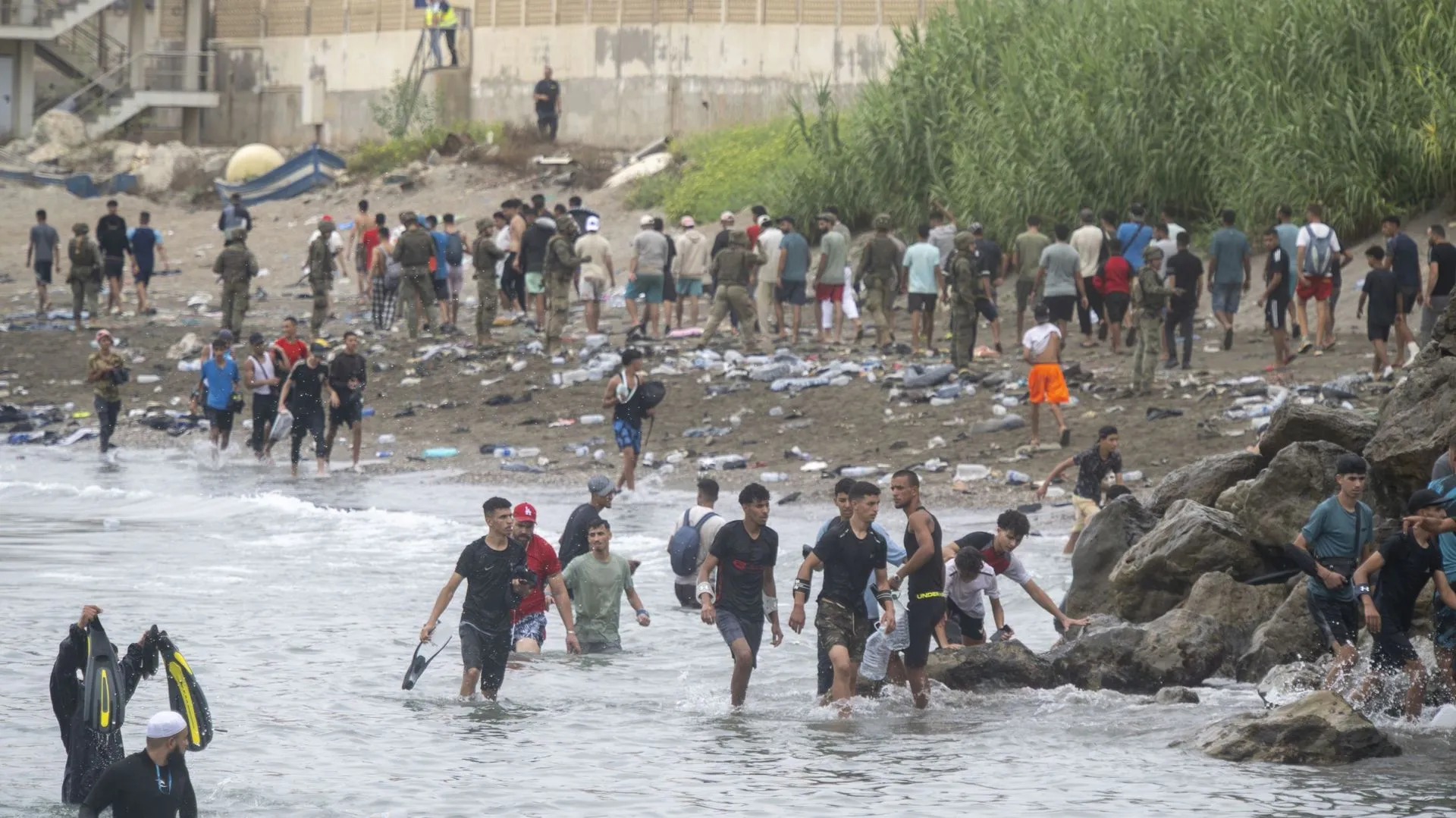
In a significant development concerning the ongoing migration crisis, over 48,000 migrants have returned to Morocco from the Spanish enclave of Ceuta. This announcement, made by the Spanish Ministry of the Interior, follows a surge of arrivals in recent days, highlighting the pressing humanitarian and security challenges facing the region. Reports indicate that as of July 31, more than 48,300 returns had been recorded, following an unprecedented influx of migrants primarily from Morocco, which has overwhelmed local reception facilities. The situation has escalated to what local authorities are calling a "humanitarian emergency," compelling the Spanish government to dispatch additional military and police personnel to manage the crisis.
Political Fallout and Border Security Measures
The crisis at Ceuta has not only raised humanitarian concerns but has also ignited political tensions between Spain and Morocco. Both nations have expressed a desire to facilitate the swift return of individuals who entered Ceuta illegally, yet this situation has complicated their diplomatic relations. Meanwhile, in France, Interior Minister Laurent Nuñez announced an increase in border security at the Franco-Spanish frontier in response to the escalating crisis. Portugal's Prime Minister, Luis Montenegro, echoed these sentiments by calling for enhanced border controls in the south to prevent similar situations.
In a decisive move, Italy has temporarily suspended the Schengen agreement with Spain, with Foreign Minister Antonio Tajani describing this measure as "inevitable" for safeguarding national security. This suspension entails targeted controls at air and maritime entry points, specifically affecting non-European nationals arriving from Spain. While intended to strengthen border security, this decision has raised concerns about its potential humanitarian implications.
The European Union has stated that it has not observed any significant migratory flow from Ceuta to the rest of Europe, but the ongoing situation underscores the complex interplay of humanitarian needs and political considerations in managing migration. As both local and national authorities grapple with this challenge, the implications for migrants attempting to cross into Europe continue to unfold.
As reported by rtbf.be.