Understanding the Traditional Technique of Lamb Butchering
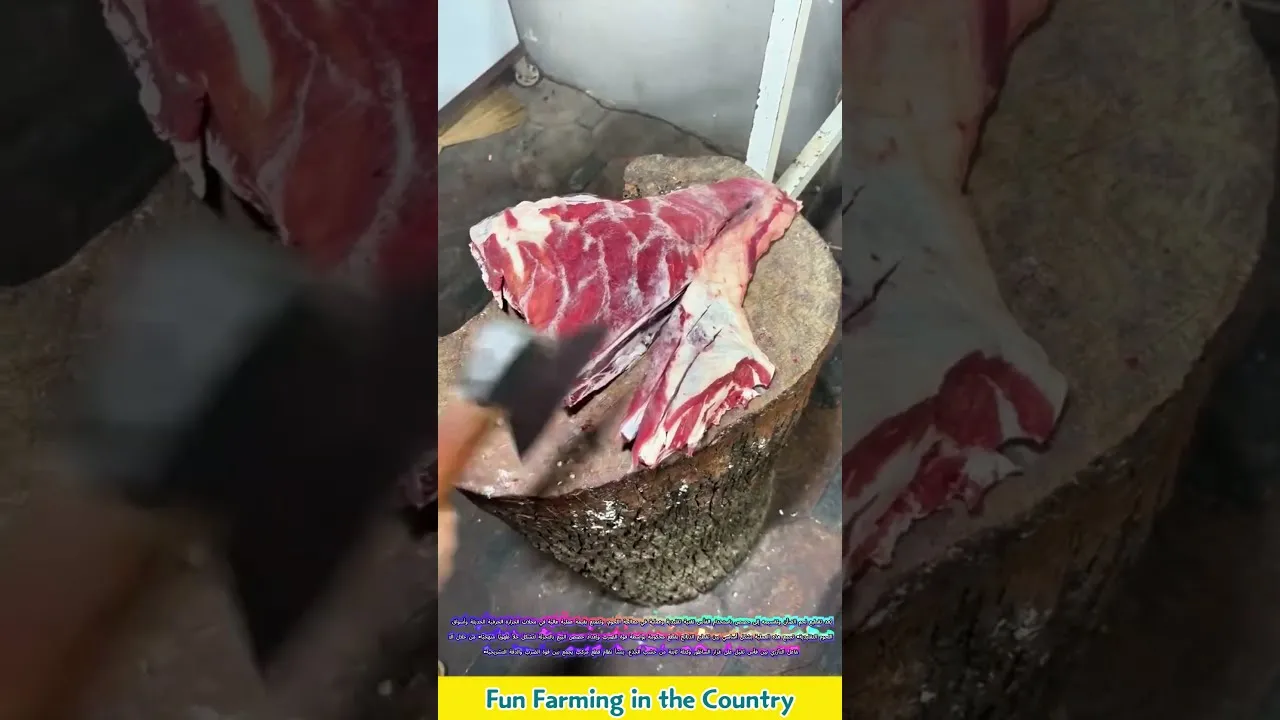
Butchering lamb and portioning it using an axe is not only a traditional method but also a practical technique that holds significant value in modern artisanal butcher shops and traditional meat markets. This process effectively combines the act of cutting carcasses with controlled strikes to prepare retail portions, creating a systematic culinary solution. The interaction between a heavy axe, resembling a cleaver, and a stable wooden block establishes a complex cutting system that merges striking force with anatomical precision. Compared to techniques using band saws or knives, this axe-cutting method not only avoids creating distinctive display marks but also enhances cooking outcomes while showcasing traditional craftsmanship. The concentrated force of the axe allows for precise separation of bones from meat along predetermined cutting lines.
As the standards of expertise in artisanal meat trade rise, the axe cutting technique has evolved from mere functional requirements to a comprehensive solution that balances portion consistency, dramatic presentation, and the preservation of culinary traditions. The technical principles and structural characteristics involved in this process essentially constitute a complex work operation, where the blade's thrust effectively cuts through dense connective tissues and bone joints. The mechanical workings manifest in three fundamental aspects: first, the weighted axe head acts as a concentrated shock block, generating sufficient kinetic energy in controlled individual strikes to break ribs and cut through membranes between the ribs. Second, the integrated system, comprising the blade edge geometry and a downward-angled arc, ensures clean cuts without excessive meat fragmentation when aimed at pre-drawn guiding lines. Finally, this technique creates decorative surface incisions that enhance marinade penetration and heat distribution during cooking.
Executing the Butchering Process with Precision
From a material properties perspective, the gradient in density between the skin, collagen membrane, and muscle tissues presents a natural variance in resistance. This structural transition facilitates controlled cutting and minimizes tissue tearing. The depth of cut maintained during the initial differentiation, typically 2-3 cm, is a critical guideline that ensures effective axe guidance while preventing premature complete cuts. The processing method must adhere strictly to the principle of "cut first, then separate." This includes the following steps: 1) Positioning the piece: Place the lamb piece on the cutting board with the longitudinal side exposed, ensuring the bone side is easily accessible. The unused hand should provide lateral support along the spine at a distance of no less than 25 cm from the cutting area. 2) Marking the incisions: Use the knife tip to mark parallel incision lines on the meat surface at 3-4 cm intervals, maintaining a cut depth of 2-3 mm in the muscle tissue to create visual reference points without compromising structural integrity. 3) Executing the axe strike: Employ a "controlled drop and strike method" to ensure the axe blade hits the intersection of the incision lines with the bone in a single decisive motion, with the strike angle restricted to a maximum of 5 degrees from the vertical position to avoid side strikes and uneven cuts. 4) Separating the sections: After seven seconds of the initial strike sequence, inspect the cut sections to ensure bones are cleanly exposed while minimizing meat wear. Refine the cuts with a knife if necessary to ensure quality presentation for sale.
The primary functions and advantages of this butchering technique include enhancing display quality, improving cooking performance, and facilitating dramatic presentation in retail outlets. The axe cutting produces a distinctive cross-pattern on the surface, increasing visual appeal and indicating handcrafted preparation, thereby elevating the overall perception of excellence in retail stores. The decorative cutting increases the surface area for marinade absorption and heat distribution, resulting in even and manageable cuts that align perfectly with grilling, roasting, and frying standards. Additionally, compared to mechanical uniform cuts, axe-sliced portions are better suited for dramatic presentation when serving food at open counters, during promotional displays in markets, and for social media uses.
Key considerations during processing include maintaining precise cutting lines, typically keeping a distance of 3-4 cm to ensure uniform cut sizes and optimal consistency in retail without excessive waste. Control over the strike is crucial for achieving clean cuts during operation; the axe's height should be maintained at regular intervals (usually not exceeding a drop height of 30-40 cm), and this should be monitored by ensuring completion of the cut with a single strike. Lastly, the cutting board, made from front-grade wood, requires appropriate sanitation between individual cuts, along with regular maintenance to ensure the surface remains food-safe and to prevent bacterial buildup in resulting cavities.
As reported by youtube.com.