Analyzing the Refereeing Performance at the World Cup
The World Cup is synonymous with intense debates surrounding refereeing decisions, a phenomenon that seems inescapable. Lutz Wagner, a former Bundesliga referee, provides a nuanced perspective on the officiating performances during the recent tournament, emphasizing that it is crucial not to pigeonhole the entire event into a single grade. While acknowledging the mixed quality of officiating, Wagner stresses that many commendable performances deserve recognition alongside the occasional misjudgments that occurred.
Wagner points out critical errors that should not have taken place, such as Leroy Sané's controversial goal against Ecuador, which was marred by a high foot that struck an opponent’s head. He firmly believes this goal should have been disallowed, and the failure of both the on-field referee and the VAR to intervene represents a significant oversight. However, he also notes that the overall control of the match is equally important, citing instances where referees seemed to lose oversight during critical moments, allowing players to engage in misconduct without repercussions.
Lessons Learned and Future Recommendations
One notable exception to this trend was the Round of 16 match between Morocco and Canada, officiated by Michael Oliver. Wagner commends Oliver for recognizing when the game threatened to spiral out of control and for adapting his approach accordingly. By re-establishing authority through timely yellow cards, Oliver exemplified the qualities that distinguish a good referee from a top-tier one. Such adaptability is crucial, especially when officiating matches at the highest level, where pressure can lead to challenges that less experienced referees may struggle to manage.
Wagner also addresses the representation of referees from smaller federations at the World Cup, advocating for a reevaluation of the nomination balance. He believes that while it is essential for referees from various nations to be present, particularly in the group stages, the knockout rounds should ideally feature only those officials who regularly officiate at the highest levels of competition. This could enhance the overall quality of refereeing during crucial matches.
Regarding the lack of consistency in officiating standards, Wagner acknowledges that complete uniformity is unattainable due to the inherent variability in human judgment. Nonetheless, he argues that there should not be such a significant deviation in the application of rules that it leads to a complete breakdown of control during matches. He insists that the best referees should be present during pivotal moments of the tournament to maintain the integrity of the game.
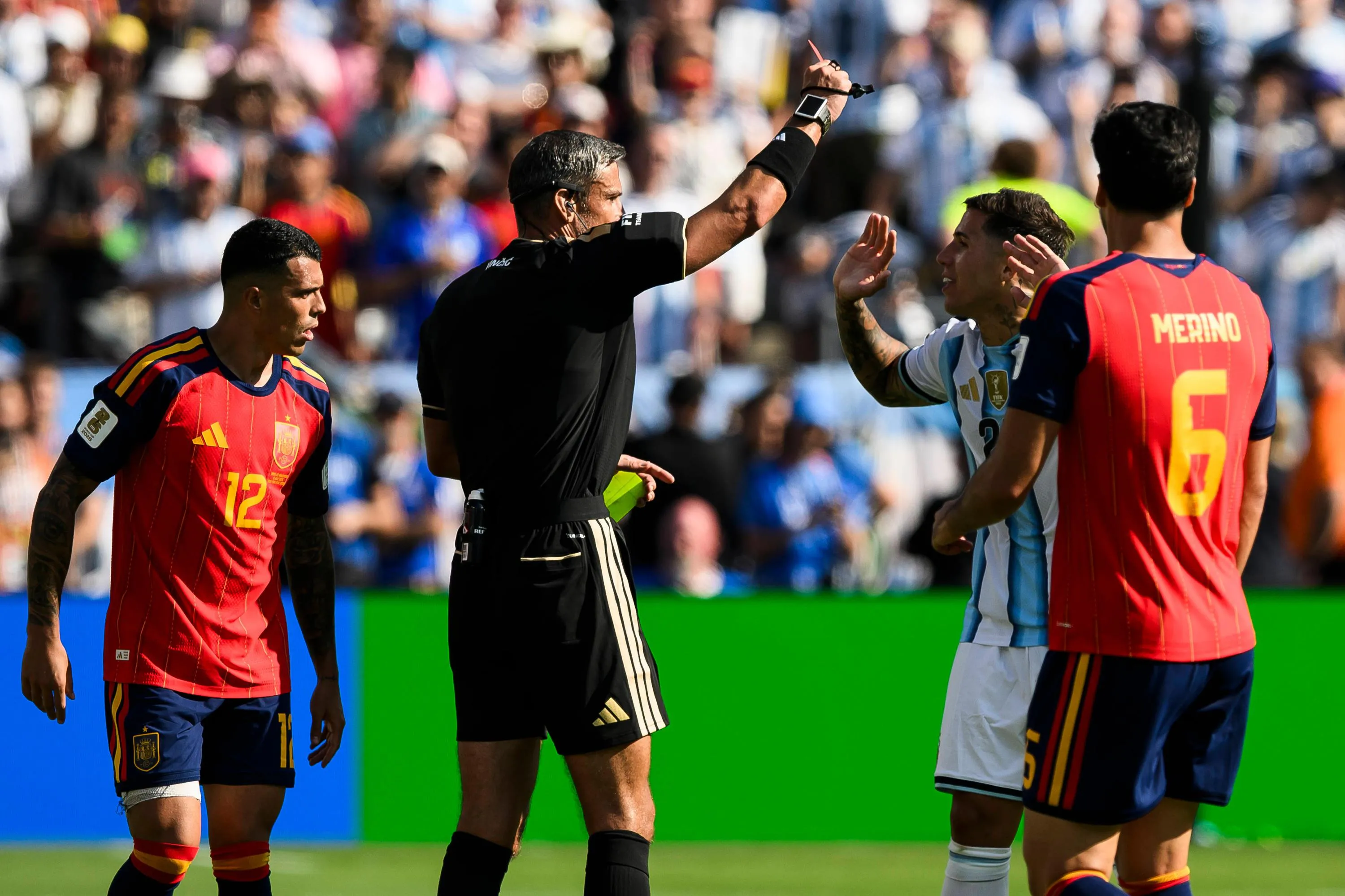
Wagner also discusses the performance of Slavko Vincic in the final, noting that while he maintained a consistent approach throughout the tournament, the aggressive style of play exhibited by the Argentine players raised questions. Wagner suggests that the referees should have set clearer boundaries earlier in the tournament to manage such conduct effectively. This would have potentially prevented a situation where players repeatedly crossed the line without immediate consequences.
While acknowledging that there were indeed significant errors, Wagner asserts that the introduction of VAR largely contributed positively by correcting many penalty situations that could have otherwise been mishandled. However, he also calls for a clearer definition of when VAR should intervene, as there were instances where it either failed to act or improperly engaged. This inconsistency can lead to further complications and debates surrounding officiating decisions.
In conclusion, Wagner emphasizes the need for constructive and nuanced critiques of refereeing, especially from figures in the sport who should provide insight rather than blanket statements. The discourse surrounding refereeing should be rooted in specific examples and focused on fostering improvement rather than assigning blame. As the tournament highlighted both exemplary and subpar officiating, it serves as a reminder of the ongoing evolution of refereeing standards in the world of football.
As reported by web.de.