Insights from the International Workshop in Rabat
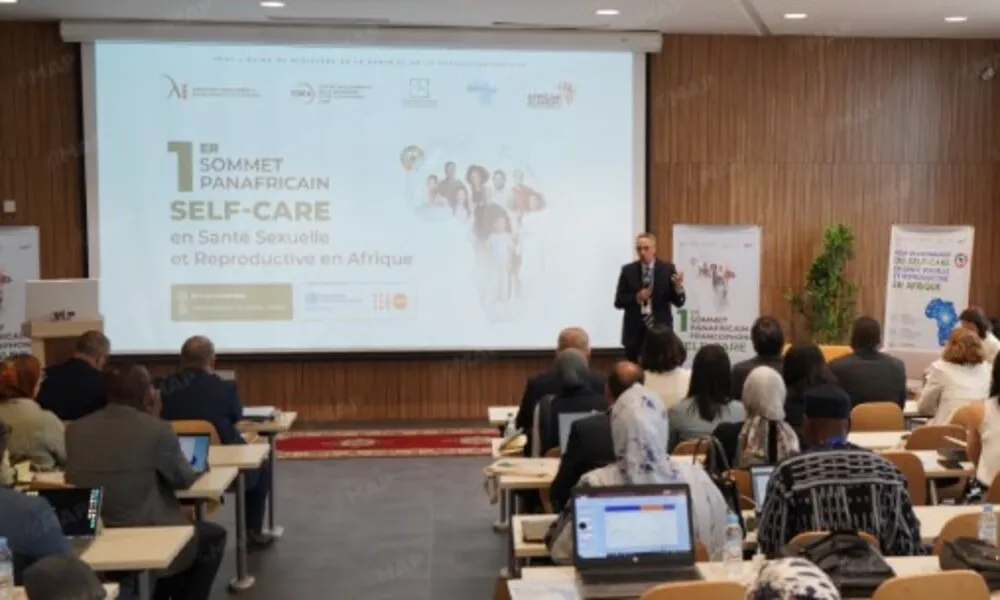
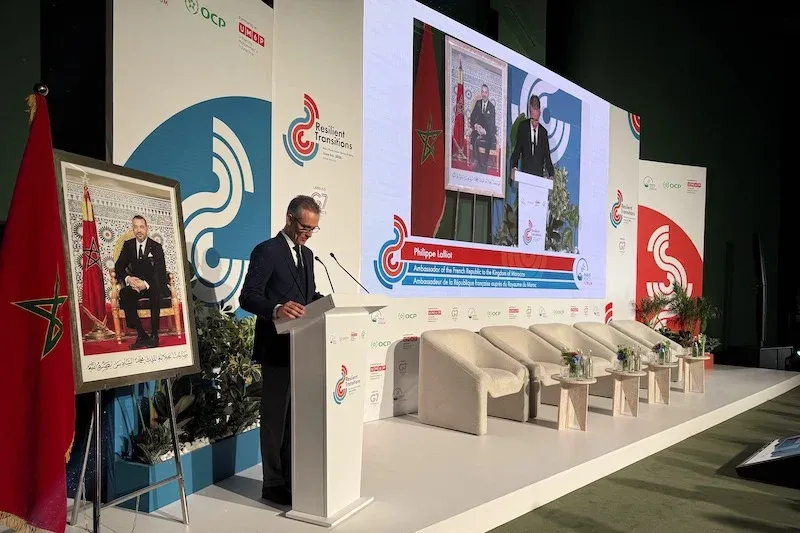
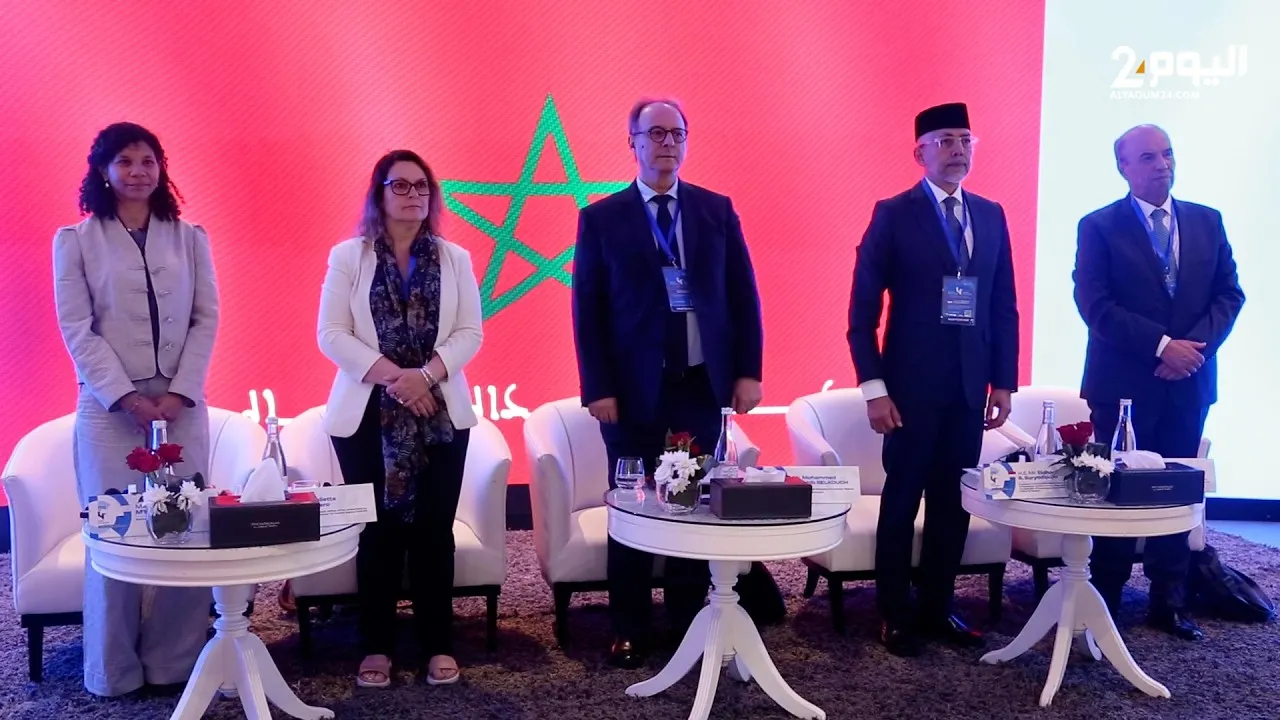
Recently, an international workshop took place in Rabat, Morocco, aimed at evaluating the Universal Periodic Review (UPR) mechanism. This significant event gathered experts, diplomats, and civil society representatives to discuss the effectiveness and challenges of this crucial human rights assessment tool. The UPR, established by the United Nations Human Rights Council, provides a unique opportunity for all UN member states to present their human rights records and receive feedback from other nations. The workshop sought to analyze how the UPR can be improved to better serve its purpose of promoting and protecting human rights globally.
Objectives and Discussions of the Workshop
During the workshop, participants engaged in a series of discussions focusing on various aspects of the UPR mechanism, including its methodology, implementation, and the follow-up processes that ensure recommendations are acted upon. Experts emphasized the importance of constructive dialogue among countries and the role of civil society in holding governments accountable for their commitments to human rights. Keynote speakers highlighted successful case studies where UPR recommendations led to tangible improvements in human rights conditions. Furthermore, the workshop addressed the need for better data collection and reporting systems to enhance the transparency and accountability of the UPR process.
The outcomes of this workshop are expected to contribute significantly to ongoing discussions within the UN framework, aiming to refine the UPR mechanism and enhance its impact on human rights worldwide. By fostering collaboration and sharing best practices, participants hope to pave the way for a more effective and sustainable approach to human rights evaluation.
As reported by youtube.com.