International Insights on the African Gas Pipeline Landscape
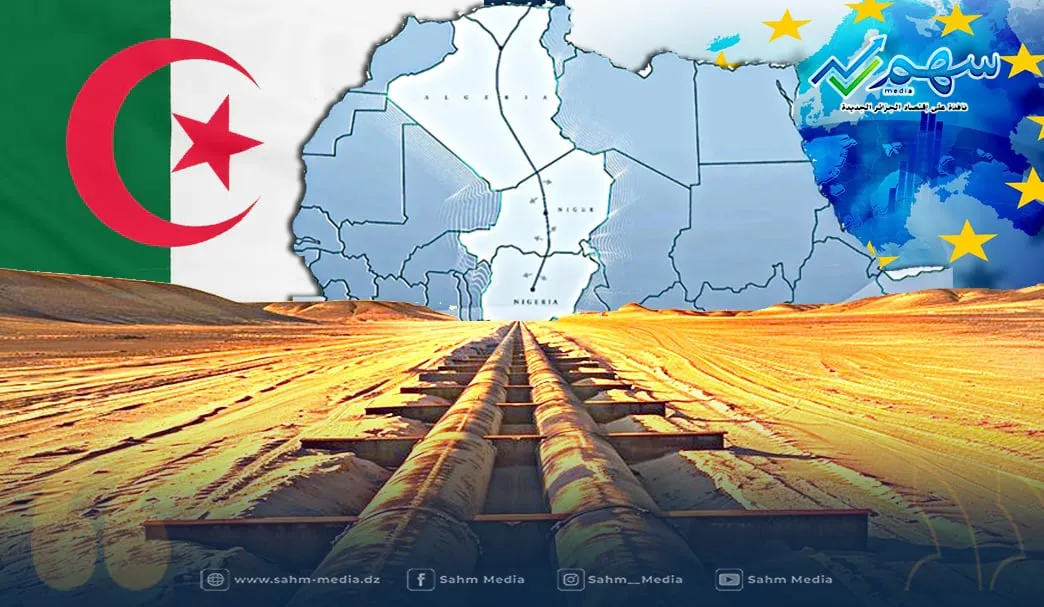
In light of the rapid transformations occurring in global energy markets, the Sahara gas pipeline project, spearheaded by Algeria, has resurfaced as a pivotal option for transporting African gas to Europe. This resurgence is largely driven by escalating geopolitical tensions that have redefined the priorities of consumer nations seeking stable and reliable energy sources. Jeff Porter, the head of North Africa Risk Consulting (NARCO), has emphasized that the Algerian initiative possesses a clear operational advantage in terms of economic and technical feasibility. He argues that it stands as a more realistic option compared to Morocco's Atlantic pipeline project, which he characterizes as costly and complex, presenting numerous legal hurdles that hinder its realization.
Porter elaborated in a statement to the energy platform that the Sahara pipeline benefits from several critical factors, particularly its shorter distance relative to its competitor, lower technical complexity, and reliance on existing infrastructure. These elements collectively reduce costs and enhance the likelihood of timely completion. This assessment emerges in the context of global energy market disruptions linked to geopolitical strains, particularly the situation in Iran, which has prompted European nations to expedite their search for secure and stable gas alternatives amidst rising demand and uncertainty in supplies from certain regions.
Algeria's Strategic Position in the European Gas Market
In this evolving landscape, Algeria's position as a key gas supplier to Europe has been fortified, despite the challenges it faces, particularly its current limited capacity to rapidly increase production due to a decline in exploration and production investments in recent years. Algeria, which relies on gas for approximately 98% of its domestic electricity generation, finds itself in a delicate balance between meeting internal demand and maintaining export levels. This scenario underscores the strategic necessity for accelerating investments in the energy sector over the medium term.
Furthermore, while oil prices have seen a decline from around $110 to approximately $95 per barrel following a temporary ceasefire, they remain under continuous pressure due to ongoing tensions. This reality underscores the importance of infrastructure projects capable of ensuring stable flows to global markets. On the infrastructure front, Porter noted Algeria's preference for pipeline transport, particularly through the "Transmed" line to Italy and "Medgaz" to Spain, both of which play a strategic role in securing supplies to Europe, thereby providing the Sahara project with an additional advantage in terms of integration with existing networks.
Regionally, the disruption of gas supplies has benefitted Algeria and Libya while adversely affecting Morocco, which relies entirely on imports and experienced supply interruptions for several days in March, with shipments absent at the start of April. This situation may compel Morocco to increase its dependence on coal as an alternative source. Meanwhile, Tunisia continues to benefit from the passage of the "Transmed" line through its territory, receiving gas in kind, while liquefied natural gas exports present an opportunity to support the Mauritanian economy internally, albeit without serving as a viable substitute to meet European demand.
Regarding Libya, it has the capacity to swiftly restore oil production; however, persistent non-technical risks since 2011 render supplies susceptible to fluctuations, diminishing their reliability compared to other alternatives. Ultimately, Porter concludes that the future of gas transportation projects in the region will be determined by technical and economic feasibility criteria, granting the Sahara pipeline project led by Algeria a distinct advantage in the current phase, especially given Europe's growing need for rapid and dependable solutions.
As reported by sahm-media.dz.