Commemorating a Visionary Leader
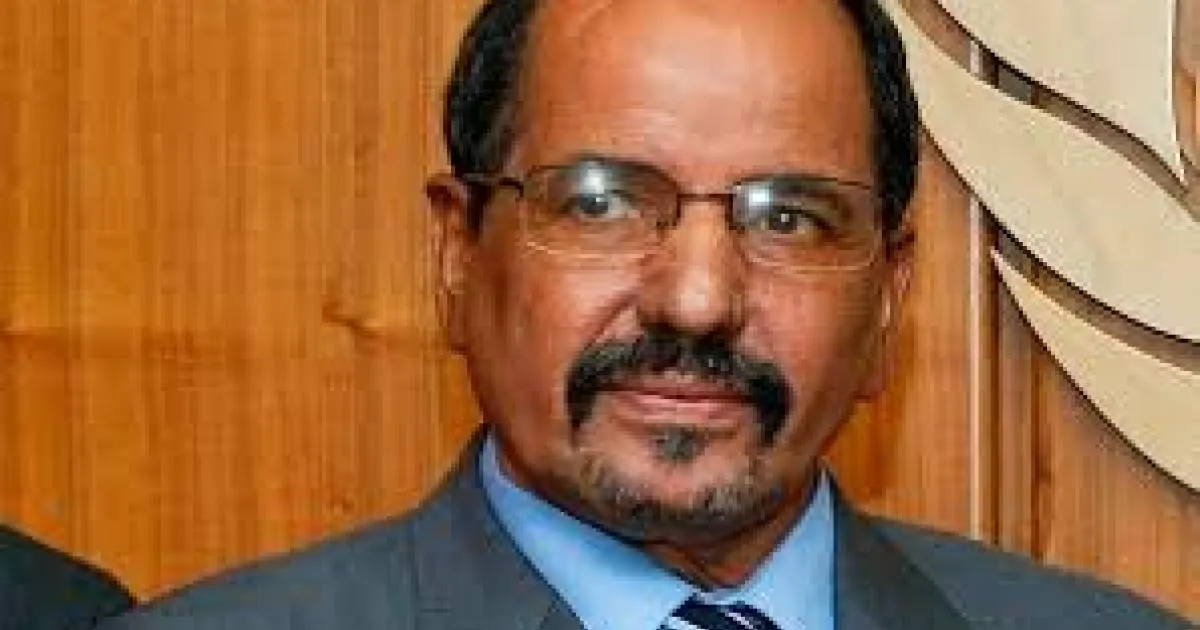
On this Sunday, we mark the tenth anniversary of the physical disappearance of Mohamed Abdelaziz, the former Secretary General of the POLISARIO Front and President of the Sahrawi Arab Democratic Republic, who passed away on Tuesday, May 31, 2016, following a prolonged illness. As we reflect on the legacy of this exceptional leader, it is essential to pay tribute to a man whose life became a testament to activism, sacrifice, and dedication. His unwavering commitment to the ideals of the Sahrawi people continues to inspire new generations to strive for freedom and justice, reinforcing our pledge to honor the martyrs of the Revolution.
Mohamed Abdelaziz etched his name into the memories and hearts of our people, embodying humility, perseverance, and selflessness until his final moments. As fellow fighters, it is our duty to affirm that the only path forward is to follow in the footsteps of the men and women who have sacrificed their lives in the arduous struggle against colonialism and foreign occupation. Our shared history stands as a testament to the privilege of inheriting the legacy of monumental figures such as Sidi Brahim Bassiri, Luali Mustafa Sayed, and countless others who have inscribed their names in the annals of eternal glory.
A Life of Commitment and Leadership
Born in 1948 in Smara, Western Sahara, then a province of Spain, Mohamed Abdelaziz hailed from a humble nomadic family. His early life unfolded in the northwestern Sahrawi region, where he received his initial education in Quranic schools. In the late 1950s, his family relocated to the southern Spanish protectorate, now part of Morocco, allowing him to further his studies, including a foray into medicine. However, his academic journey was cut short when he enlisted in the ranks of the POLISARIO Front, driven by a burgeoning political consciousness and a commitment to national liberation.
Abdelaziz’s activism blossomed during the early 1970s as he participated in the first protests aimed at reviving the fight initiated by Sidi Brahim Bassiri. His arrest during demonstrations in March and May 1972 did not deter him; upon his release, he abandoned his university studies to join fellow youth in establishing the POLISARIO Front. By May 1973, he attended the first congress of the movement, where he was elected to the Political Bureau, playing a pivotal role in mobilizing the dispersed Sahrawi population and gathering arms to strengthen the armed struggle against colonial oppression.
His international debut came through a historic meeting with the Algerian department for liberation movements, which solidified Algeria's recognition of the POLISARIO Front as the legitimate representative of the Sahrawi people. Over the following years, Abdelaziz's leadership was crucial in shaping the movement's strategies and fortifying alliances with other liberation movements across Africa, garnering support that would prove vital in their ongoing struggle.
Despite the challenges faced during the brutal Moroccan invasion, Abdelaziz emerged as a formidable military leader, commanding troops with strategic brilliance. His accession to the role of Secretary General of the POLISARIO Front in 1976 marked a significant turning point, where he prioritized national unity and military offensives while advocating for peaceful political solutions to achieve the Sahrawi people's right to self-determination. His dedication to peace earned him recognition as a 'Man of Peace' on the international stage, highlighting his preference for diplomatic avenues to resolve conflict.
Throughout his life, Mohamed Abdelaziz was a steadfast advocate for his people's aspirations, forging meaningful relationships with prominent African leaders and securing the Sahrawi Republic's place within the African Union in 1984. His legacy is a powerful reminder of the strength found in unity and the relentless pursuit of justice for all oppressed peoples.
As reported by spsrasd.info.