West African leaders have recently entered into a significant agreement aimed at advancing the ambitious $25 billion Nigeria-Morocco Africa-Atlantic Gas Pipeline project, a venture poised to transform the energy landscape of the continent while highlighting the increasing desire for regional collaboration. The Intergovernmental Agreement (IGA), which was signed on a momentous Sunday during the Economic Community of West African States (ECOWAS) summit held in Freetown, Sierra Leone, lays down the essential legal and institutional framework necessary for the long-awaited initiative to transition from planning to actual implementation.
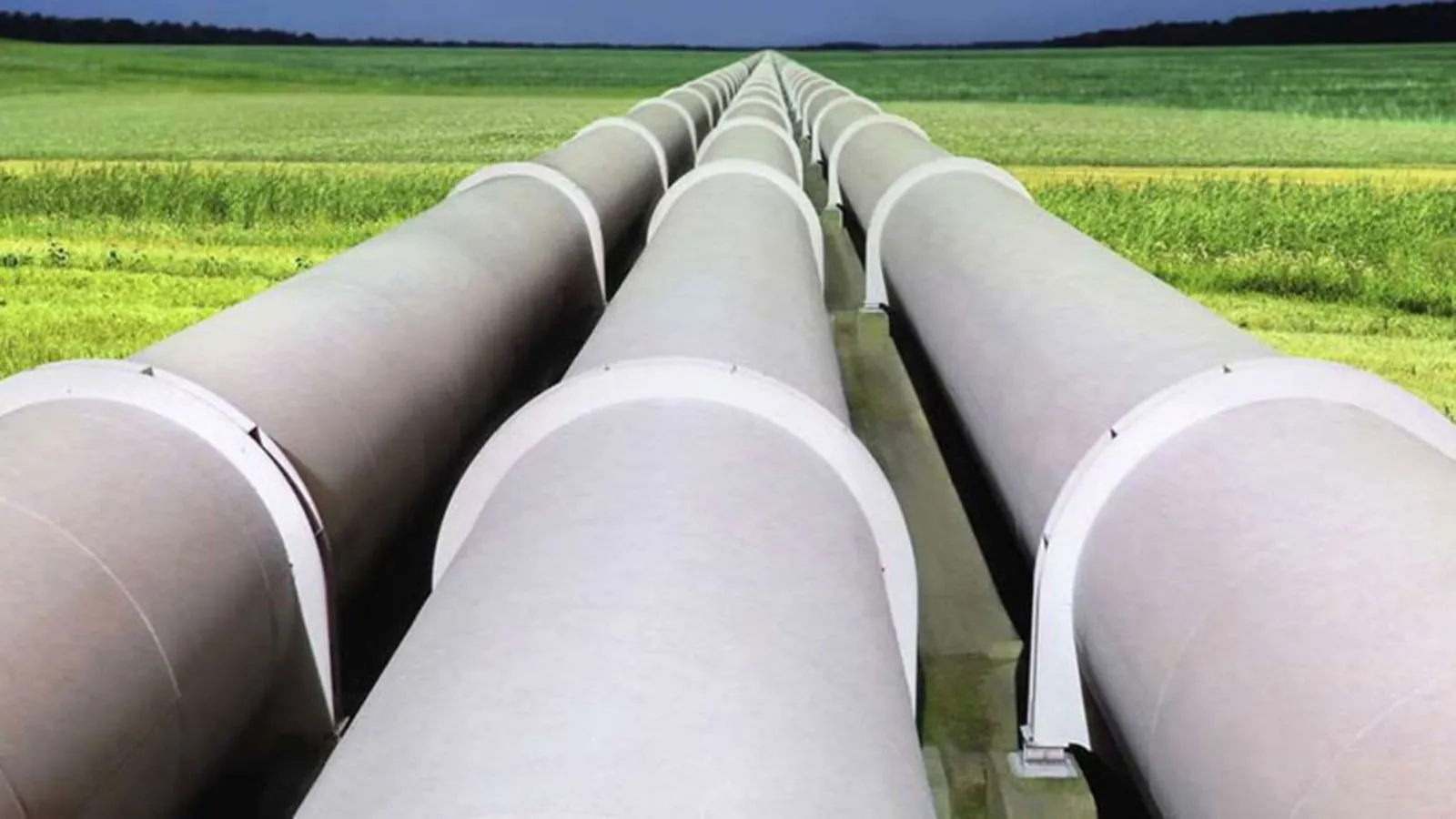
ECOWAS chair and Sierra Leone President Julius Maada Bio announced the signing of the agreement, affirming, "We have signed the agreement on the West Africa–Morocco gas pipeline. Do not be surprised when the gas reaches you." This ambitious initiative, known as the Nigeria-Morocco Gas Pipeline (NMGP), is set to stretch approximately 6,000 kilometers along the Atlantic coastline of Africa, transporting Nigerian natural gas through a total of 13 countries before reaching Morocco, with the ultimate goal of connecting to European markets.
Nigeria is expected to be the primary supplier of gas, while countries such as Benin, Togo, Ghana, Côte d'Ivoire, Liberia, Sierra Leone, Guinea, Guinea-Bissau, Gambia, Senegal, Mauritania, and Morocco will play significant roles in this collaborative effort. Furthermore, the involvement of Spain indicates the potential for linking this pipeline with the Maghreb-Europe gas pipeline, thereby formally connecting the two continents. The financing strategy for this monumental project includes diverse sovereign funds, international investments, and support from regional development lenders like the Islamic Development Bank (IsDB) and the OPEC Fund for International Development.
Analysts have remarked that the pipeline could emerge as one of the most impactful infrastructure projects undertaken in Africa, creating a new economic corridor that links West Africa, the Sahel, and Europe. This development is expected to eliminate the need for raw gas exports and streamline the process of transporting the resource from its source to consumers. Additionally, the pipeline could foster stronger ties among the participating countries, as they will have a vested interest in ensuring the security and operational integrity of the pipeline.
In a joint statement released by Morocco's Office Nationale des Hydrocarbures et des Mines (ONHYM) and the Nigerian National Petroleum Corporation (NNPC), the project is described as a means to connect West Africa's gas resources to the primary consumption centers in the region while enhancing the integration of African energy markets. The statement further emphasizes the creation of a new development corridor linking West Africa, the Sahel, Morocco, and Europe.
The agreement signed in Freetown represents a significant milestone for a project that was originally proposed by Morocco's King Mohammed VI during a state visit to Abuja back in 2016, as Rabat sought to fortify its economic partnerships across the African continent. Over the years, this initiative has matured from a diplomatic vision into a strategic endeavor jointly advocated by ONHYM and NNPC Ltd. According to the joint statement, "This important step taken in Freetown comes ahead of the next stages of the project's launch," with upcoming actions including the establishment of a project management company in Casablanca and a Pipeline Higher Authority in Abuja to oversee governance, financing, and implementation.
Construction of the pipeline is anticipated to commence in 2028, with the first gas deliveries projected for 2031, as outlined by ONHYM. This project comes at a critical juncture when governments across Africa are facing persistent energy deficits, burgeoning populations, and mounting pressure to industrialize. Currently, over 600 million Africans lack access to electricity, as reported by international energy estimates, while the demand for reliable and affordable energy continues to rise. Amina Benkhadra, Director-General of ONHYM, stated, "The African Atlantic gas pipeline will make a lasting contribution to strengthening energy security, accelerating industrialization, supporting the development of Africa’s natural resources, and promoting shared prosperity." Once operational, the pipeline has the potential to transport up to 30 billion cubic meters of gas annually, assisting around 400 million consumers.
This landmark agreement marks nearly a decade since the initial negotiations commenced between the involved nations. However, the dynamic political climate in West Africa, characterized by coups and the presence of extremist groups, has often delayed or obstructed similar initiatives. Leaders remain hopeful that there will be no further setbacks. Senegalese President Bassirou Diomaye Faye, now the chairperson of ECOWAS, emphasized the need for the bloc to be prepared to support its own development programs rather than relying on external assistance, stating, "The President holds a clear conviction: ECOWAS will not save itself through words, but through actions." He further added, "Collective security, economic sovereignty, fidelity to the founding fathers: the course is charted."
As reported by theeastafrican.co.ke.