The Call for a Shift in Fan Reactions
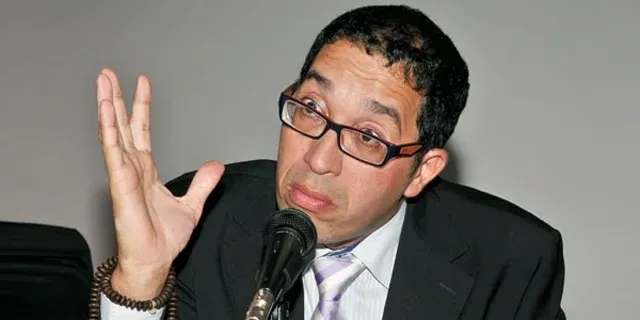
In the wake of Morocco's elimination from the 2026 World Cup quarter-finals at the hands of France, the discourse surrounding the national team's performance has taken a contentious turn. Hakim Doumou, a prominent member of the steering committee for the Royal Moroccan Football Federation (FRMF), has voiced his concerns regarding the extreme reactions from fans and commentators alike. In a candid interview with Yabiladi, Doumou characterized the online atmosphere as 'toxic,' suggesting that the responses have transcended the realm of legitimate criticism rooted in disappointment. He emphasized the necessity for Moroccan fans to cultivate a more resilient attitude towards defeat, asserting that even in light of the nation's significant international campaigns, it is crucial to embrace the realities of sportsmanship. 'Mindsets must change. Defeat is part of sport,' he remarked, highlighting the need for a cultural shift among supporters.
Addressing Toxicity and Conspiracy Theories
Doumou's insights extend beyond general fan behavior; he delineates the line between acceptable critique and harmful discourse. While he acknowledges that criticism of coaching strategies, tactical decisions, and player performances holds validity, he firmly rejects the notion of allowing these discussions to spiral into personal attacks or unfounded conspiracy theories. 'When it devolves into conspiracy theories, personal attacks, disgraceful insults, or rumors of a fixed match, that is unacceptable!' he asserted, drawing a parallel to the backlash experienced after the Atlas Lions' commendable performance in the 2022 World Cup. The ramifications of this negativity have not only affected the morale of the players, who he noted were deeply hurt by the vitriol on social media, but have also permeated the broader football culture in Morocco. Doumou pointed out that this confrontational atmosphere is not limited to the national team; it permeates the Botola league, where players, coaches, and club officials frequently find themselves at the mercy of online disparagement.
In addressing the escalating hostility, Doumou hinted at the potential for legal action against individuals responsible for particularly egregious content, though he clarified that the ultimate decision would rest with the FRMF president and legal committee. Looking forward, Doumou is optimistic about the future of Moroccan football, particularly with the 2030 World Cup on the horizon, where Morocco will play a significant hosting role. He advocates for the establishment of solid foundations in preparation for this event, emphasizing the need for clubs to invest more significantly in youth talent. By urging the FRMF to promote the development of young players within club systems, Doumou believes that Morocco can build a robust football environment that not only nurtures talent but also helps mitigate the social media backlash that can ensue from defeats. 'Preparing for the 2030 World Cup should not solely focus on the national team’s performance. It requires comprehensive work within clubs, player development, and a broader shift in Moroccan football’s environment,' he concluded, stressing that these efforts are vital for maintaining the nation’s competitive edge on the world stage.
As reported by en.yabiladi.com.