Morocco's Historic Impact on Global Identity
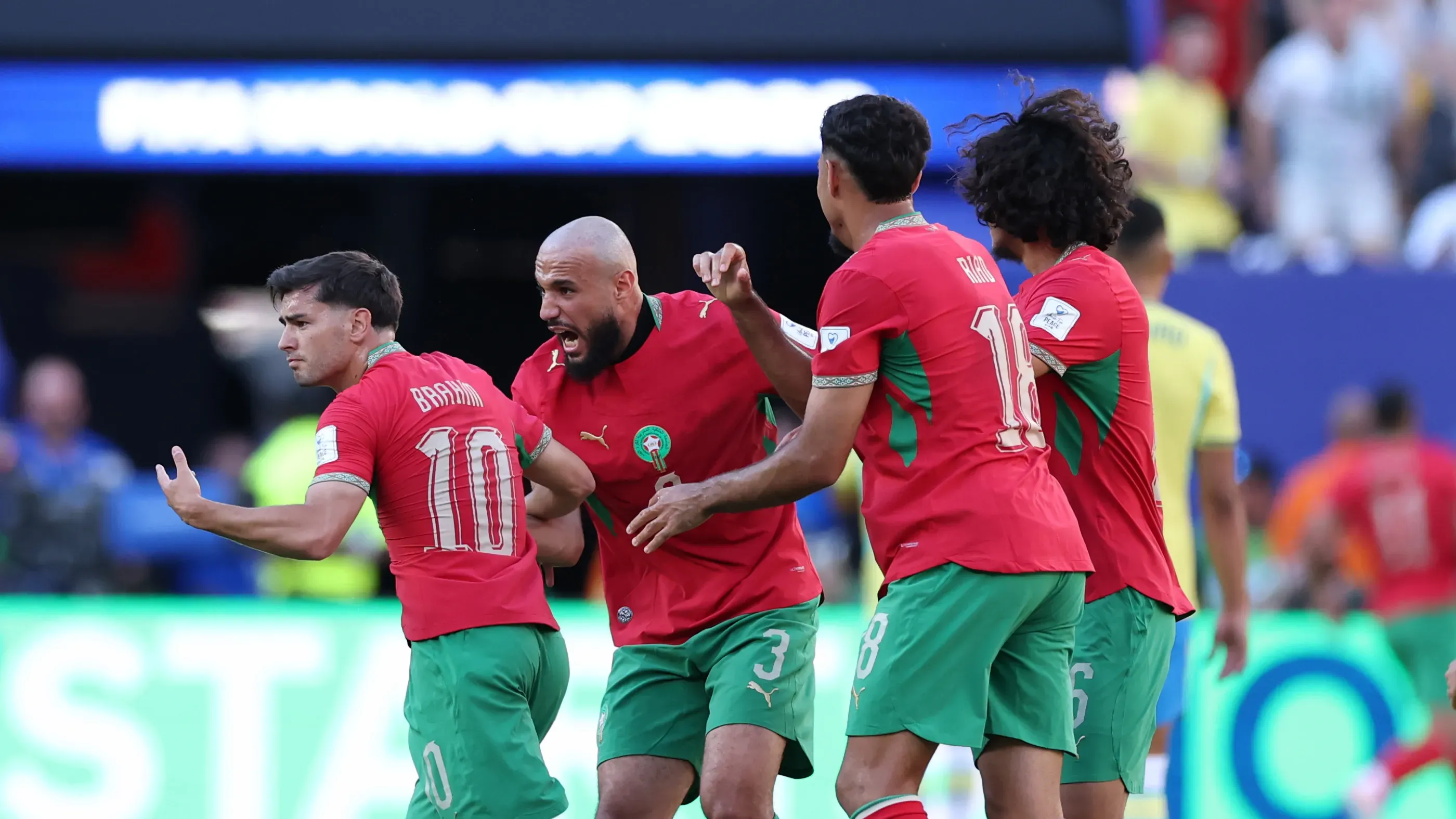
In the heart of Brazil, children ran after a soccer ball rolling over cracked asphalt, but the surprise did not lie in their enthusiasm for the sport; it was in the Moroccan jerseys they proudly wore. The vibrant red adorned with a green star appeared far from Morocco's capital, Rabat, or other major cities like Casablanca and Marrakech. Simultaneously, politicians, artists, and celebrities from diverse nationalities expressed their solidarity with the "Atlas Lions," as the Moroccan national team is affectionately known. The Moroccan jersey became a fixture in stadiums where its wearers had no direct ties to Morocco, be it through blood or nationality.
This phenomenon transcended mere support for a team excelling in an international tournament. According to sociologist Rashid Jarmouni from Moulay Ismail University, the Moroccan national team has evolved since the 2022 World Cup in Qatar into a global symbol of identity, recognition, and representation. Jarmouni elaborates that the growing interest in the team opens a new realm within the fields of sociology and sports anthropology, as the narrative surrounding the team transforms from sports as merely a game to an intricate connection with symbolic identity and belonging.
The Team Beyond National Boundaries
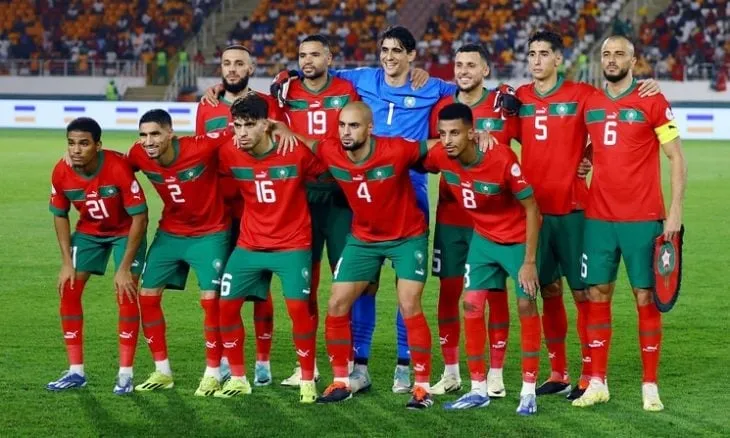
From Jarmouni’s perspective, the Atlas Lions, following their historic achievement in Qatar, have become more than just a national team. They now symbolize the success of a country from the Global South—one that is Arab, African, and Muslim—that has managed to assert its presence in a sphere traditionally dominated by European and South American powers for decades. He explains that Morocco has become a model that seamlessly integrates local and global elements. The players come from diverse backgrounds, some raised within Morocco and others abroad, yet they have succeeded in forming a collective narrative based on discipline, coexistence, and commitment.
Jarmouni invokes the ideas of the late British researcher Benedict Anderson, who introduced the concept of “imagined communities,” stating that football has birthed new forms of belonging that surpass traditional political boundaries. He notes that there are fans with no direct nationality ties to Morocco, yet they feel connected to the symbolic success embodied by the Moroccan team. Furthermore, he employs French sociologist Pierre Bourdieu's notion of “symbolic capital” to explain how Morocco has amassed significant symbolic capital through its sporting achievements, transforming the national team from a mere football squad into a global brand that resonates with perseverance, discipline, cultural diversity, and a positive representation of Africa and the Arab world.
Jarmouni points out that the emergence of Brazilian children wearing Moroccan jerseys is particularly striking, despite Brazil being one of the greatest footballing nations in history. He introduces what he calls the “alternative hero logic,” suggesting that global audiences sometimes lean towards supporting teams that challenge traditional dominance and defy the expectations of the prevailing system. He argues that while Brazil boasts five World Cup titles, it no longer captivates audiences in the same enchanting manner as before. Instead, the magic seems to have shifted toward Morocco, which now symbolizes a form of resistance against sporting hegemony, explaining the empathy shown by fans from South America.
Moreover, Jarmouni highlights the profound cultural intersections between Morocco and Latin American societies, such as the centrality of family, the significance of religion, and the communal celebration of public spaces, along with the emotional connection to football. He states, “It’s as if they are searching for an alternative hero, which they find in Morocco,” reflecting a deep cultural closeness.
The global attention captured by Morocco during the Qatar World Cup was not solely due to their athletic performance. The images of Moroccan players celebrating with their mothers became some of the most shared and impactful moments worldwide. Jarmouni argues that these scenes established what he refers to as “the moral capital of the Moroccan team.” He emphasizes that it was remarkable for players to come down to the field to celebrate with their mothers, as it was not merely an emotional moment but a revival of family values that painted a positive image of Moroccan culture.
In today’s digital age, Jarmouni cites sociologist Manuel Castells' ideas about the “network society,” asserting that social media has reshaped the ways identity and belonging are constructed. The viral clips on platforms like TikTok, documentaries, and human moments associated with the Moroccan team have turned Morocco into a rising soft power that transcends geographical boundaries. “Belonging is now more narrative-based than geography-based,” he affirms.
But why does the jersey itself become a phenomenon? Jarmouni explains that anthropology views clothing as more than just fabric. The football jersey, adorned with colors, logos, and symbols, transforms into a medium for expressing identity. “When someone wears the Moroccan jersey, they are not just showing support for a sports team; they are aligning themselves with a particular story, values, and a symbolic community,” he remarks, adding that the jersey has become a “silent social language,” especially in the age of digital platforms where a personal image or a short video can act as a symbolic declaration of belonging and choice.
Ultimately, Jarmouni concludes that the Moroccan national team has evolved into a global social and cultural phenomenon, far beyond a mere national team. The interest from politicians, artists, and citizens of various nationalities reflects its transformation into a symbol of success, recognition, and positive representation for the Arab world and Africa. Thus, Brazilian children wearing Moroccan jerseys, or fans waving the Moroccan flag in distant stadiums, are not merely engaging in a simple sporting act; they are consciously or unconsciously participating in a broader narrative surrounding identity, recognition, and symbolic justice. The Atlas Lions have transcended the boundaries of the pitch, entering the realm of meaning, and the Moroccan jersey has become a “silent social language” expressing involvement in “global sporting citizenship.” It is the story of a nation that no longer limits itself to exporting players but is now exporting culture, values, and a narrative of triumph that inspires the margins and compels the center to applaud.
As reported by alquds.co.uk.