The Promise of Ibero-Africa: A New Political Utopia
The current political discourse presents a unique opportunity for envisioning a utopian future, akin to the hope that one day the tumultuous era of Donald Trump's leadership will be a thing of the past, much like a pandemic that eventually subsides. Amidst the prevailing uncertainties and challenges, the notion of a transcontinental political utopia emerges, particularly between the Iberian Peninsula and its closest counterparts across the Atlantic. This perspective, notably articulated by Yassine El Yattioui, an expert in diplomacy and economic intelligence, highlights Ibero-Africa as a burgeoning opportunity ripe for exploration and development.
El Yattioui's thesis is significantly influenced by the linguistic landscape of the region, noting that there are approximately 600 million Spanish speakers globally. This vast demographic spans not only the Rabat/Madrid corridor but also extends throughout Latin America and into the United States, establishing a strong hemispheric presence. Morocco, strategically positioned along the Atlantic coast, has actively sought to amplify its role in this context since 2020, particularly through its alignment with the Abraham Accords and its ambitious proposal for the construction of the Tangier-Nigeria gas pipeline (NMGP).
Geopolitical Dynamics and the Quest for Mediterranean Identity
From El Yattioui's analysis, we discern a vision of Morocco at the pivotal crossroads of the Mediterranean, Europe, and America. This view transcends the traditional interpretation of language as merely a colonial remnant, instead framing it as a strategic asset with significant potential for fostering cooperation and development. The broader perspective, as suggested by the Raulesque outlook starting from Cabo da Roca, emphasizes the need for a unified Atlantic identity that encompasses the Portuguese diaspora in Brazil and the substantial Portuguese communities in North America. However, a crucial element appears to be missing: the development of a Mediterranean consciousness.
This lack of Mediterranean identity is particularly pertinent when considering Algeria, which aspires to develop its own gas pipeline infrastructure, similar to Morocco's NMGP. The dependence of both Portugal and Spain on Algerian gas, delivered through the trans-Mediterranean pipeline, underscores the interconnectedness of these geopolitical players. Furthermore, Nigeria's liquefied gas also plays a vital role in Portugal's energy strategy, highlighting the need for collaboration across borders.
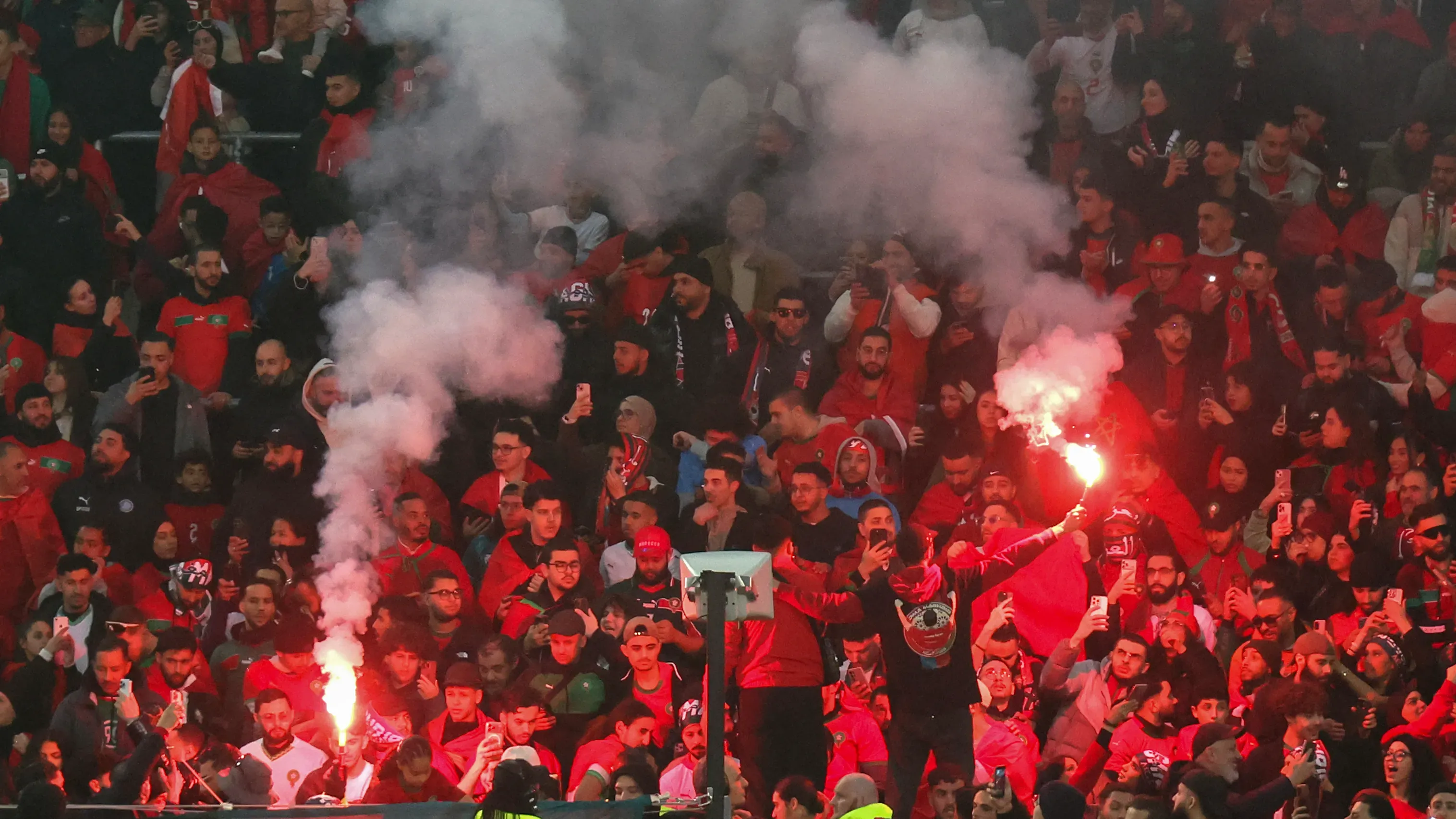
As the region gears up for major events like the 2030 Football World Cup, which will feature Morocco and Spain, there lies an inherent potential for economic opportunities and regional alignment. This vision for a united Atlantic-Mediterranean bloc is not merely an idealistic dream; it is a pragmatic approach that could yield significant benefits, particularly in the realm of green hydrogen production, as well as enhancing the infrastructure between Tangier and Sines. Ultimately, the goal is to create a cohesive Euro-Atlantic-Mediterranean alliance that fosters mutual growth and collaboration.
As reported by veritas.enc.edu.