Innovative Insights into Preventive Medicine
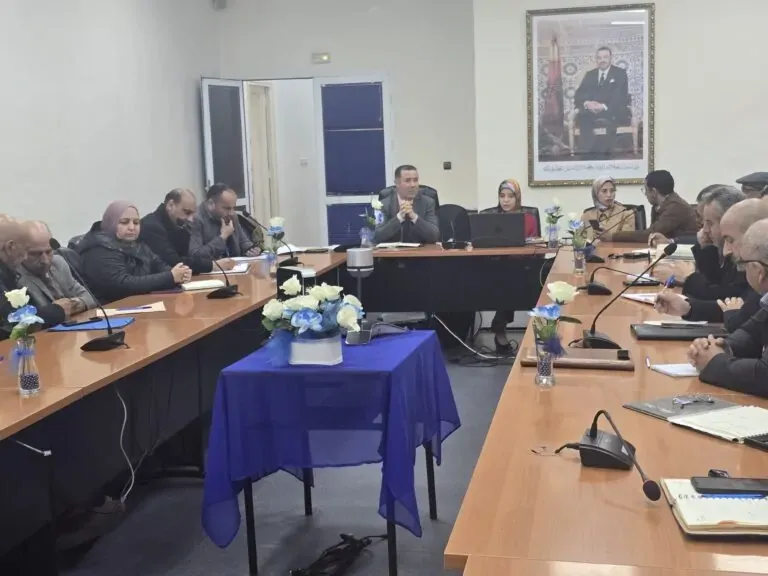
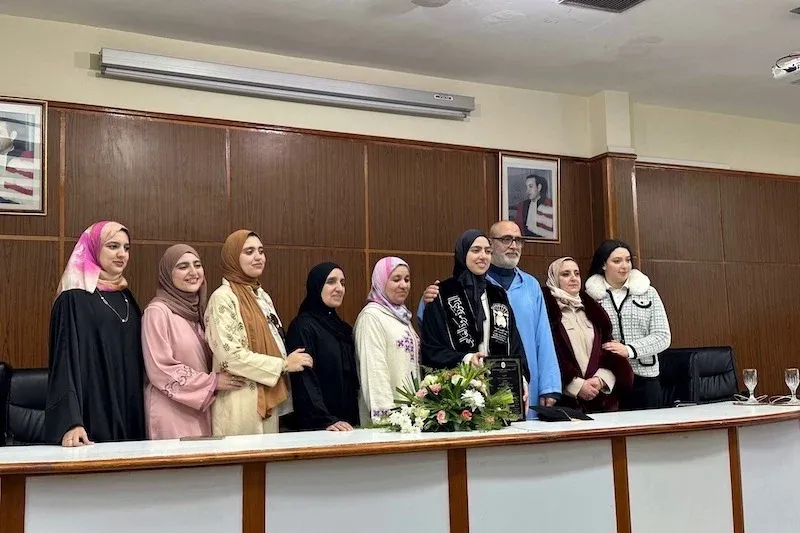
Recently, a remarkable dissertation was presented at the Faculty of Medicine and Pharmacy in Fes, Morocco, authored by Marwa Elghalbi under the supervision of Bachir Benjelloun. This dissertation, which earned her a PhD in Medicine with high honors and a nomination for the best thesis award, delves into the concept of preventive medicine, highlighting its pivotal role in maintaining human health. Elghalbi articulates that the function of medicine extends beyond merely treating ailments; it encompasses the prevention of diseases and the preservation of both physical and psychological balance.
The research investigates traditional preventive practices, particularly those associated with water and bathing, and examines their relevance in contemporary medical perspectives. It seeks to explore the prospect of reintegrating these practices into modern healthcare systems while unveiling the health, social, and religious dimensions of these traditions. Furthermore, it highlights how these practices resonate with the collective consciousness that has permeated Islamic societies throughout history.
The Role of Traditional Bathhouses in Health Preservation
The dissertation emphasizes the preventive role that traditional bathhouses play in safeguarding both physical and mental well-being. It references significant historical milestones within Arab Islamic civilization that reveal the multi-faceted dimensions and integrated functions of these bathhouses. By analyzing the health functions of these facilities, the research illustrates their contribution to establishing preventive practices and promoting body care within the community.
Elghalbi's research also catalogs historical bathhouses in the city of Fes, showcasing them as a model that reflects the evolution of health thought in Islamic urban centers. The dissertation proposes a framework for optimizing the benefits derived from this rich heritage by clearly defining individual, collective, and institutional responsibilities to preserve their original function.
Ultimately, the study concludes that traditional bathhouses were not merely spaces for cleanliness; rather, they constituted a comprehensive health system that significantly contributed to disease prevention and the establishment of daily health practices within society. It points out contemporary transformations that have affected this sector, resulting in the decline or alteration of some facilities, which in turn impacts their ongoing preventive and social roles.
Moreover, the dissertation sheds light on the evolution of medical practices from superstitious explanations to scientific approaches, showcasing the contributions of scholars from predominantly Muslim regions in solidifying preventive medicine principles. Through a field study of the bathhouses in Fes, the research examines their urban significance, operational patterns, and relationship with the social environment and the city's water system.
In conclusion, the dissertation advocates for a renewed emphasis on preventive medicine by leveraging this rich heritage and adapting it to align with contemporary requirements. It underscores the importance of integrating hydrotherapy and healthy bathing practices into medical education while promoting scientific research in this domain. Furthermore, it calls for a comprehensive approach that positions prevention as a fundamental axis of health policies, thereby enhancing the quality of life and fostering sustainable health development.
As reported by hespress.com.