Understanding Eid al-Adha in Morocco
Eid al-Adha, known as the Festival of Sacrifice, offers a fascinating glimpse into the rich cultural and religious traditions of Muslim countries, particularly in Morocco. This significant holiday is characterized by vibrant preparations that include the buying and selling of sheep, an activity that becomes a common sight in towns and cities as families prepare for the ritual of sacrifice. The atmosphere leading up to Eid al-Adha is marked by bustling streets, where vendors display their sheep, and families select their livestock, creating an immersive experience that reflects the deep-rooted traditions of Islamic faith.
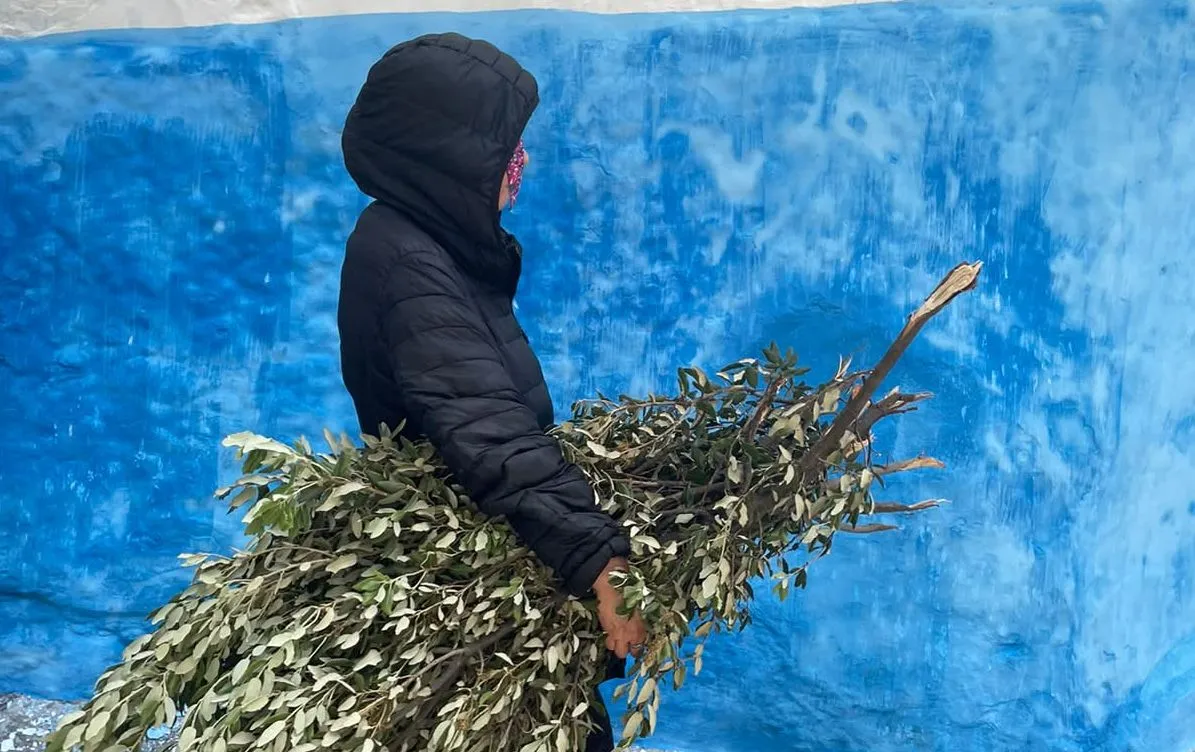
In late May, the streets of Tetouan and Chefchaouen in Morocco were alive with activity. Men gathered to sell sheep, while families scoured the markets for the perfect animal to take home. The scene is not just about commerce; it symbolizes faith, devotion, and community spirit, as people carry olive branches and greenery, essential for feeding the sheep until the day of the sacrifice. Eid al-Adha commemorates the willingness of the Prophet Abraham to sacrifice his son as an act of obedience to God, a narrative deeply ingrained in Islamic teachings. As families prepare for this momentous occasion, the anticipation grows, with the holiday officially celebrated from May 27 to 29 this year.
The Ritual and Its Significance
Sheikh Ali Momade, a religious leader within the Brazilian halal certification community, elaborated on the significance of this festival. According to Islamic tradition, Abraham received a divine command to sacrifice his son Ishmael, a test of faith that he was willing to undertake. However, at the moment of sacrifice, the Angel Gabriel intervened, providing a sheep to be sacrificed instead. This profound event is commemorated by Muslims worldwide, who reenact this sacrifice during the 10th day of Dhu al-Hijjah, aligning with the sacred pilgrimage of Hajj in Mecca. The act of sacrifice is more than just a ritual; it embodies the values of sharing and community, as the meat is divided into three portions: one for the family, another for relatives, and the last for those in need, reinforcing the Islamic principle of redistributing wealth and expressing gratitude to God.
This year, Morocco took an initiative to involve international visitors in the Eid al-Adha experience. At the Dar Ba Sidi & Spa Hotel in Chefchaouen, guests had the unique opportunity to witness the sheep sacrifice firsthand, with the meat shared among visitors, promoting a cultural exchange that highlighted Moroccan traditions and values. However, the day of the sacrifice transforms the usually lively streets into a tranquil environment, with many businesses closed and public spaces largely deserted. The day begins with morning prayers, followed by the sacrificial rites, creating a solemn atmosphere that encourages reflection and spiritual devotion among the community.
Throughout this period, Islam encourages heightened prayer, charity, and family bonding. Eid al-Adha is unique in that it allows observance of all five pillars of Islam, including prayer, fasting, charity, and pilgrimage. Observing the holiday in Morocco provides a profound opportunity for visitors to experience the local culture and understand the significance of these traditions in everyday life. As one bus driver shared his joy about the holiday extension granted by King Mohammed VI while transporting tourists to the airport, the collective spirit of celebration and community was palpable. Being in a Muslim country during such a pivotal religious holiday allows for an enriching experience, offering deeper insights into the values and lifestyles of the people.
As reported by anba.com.br.