Trump's Highway Announcement Amidst Ongoing Territorial Disputes
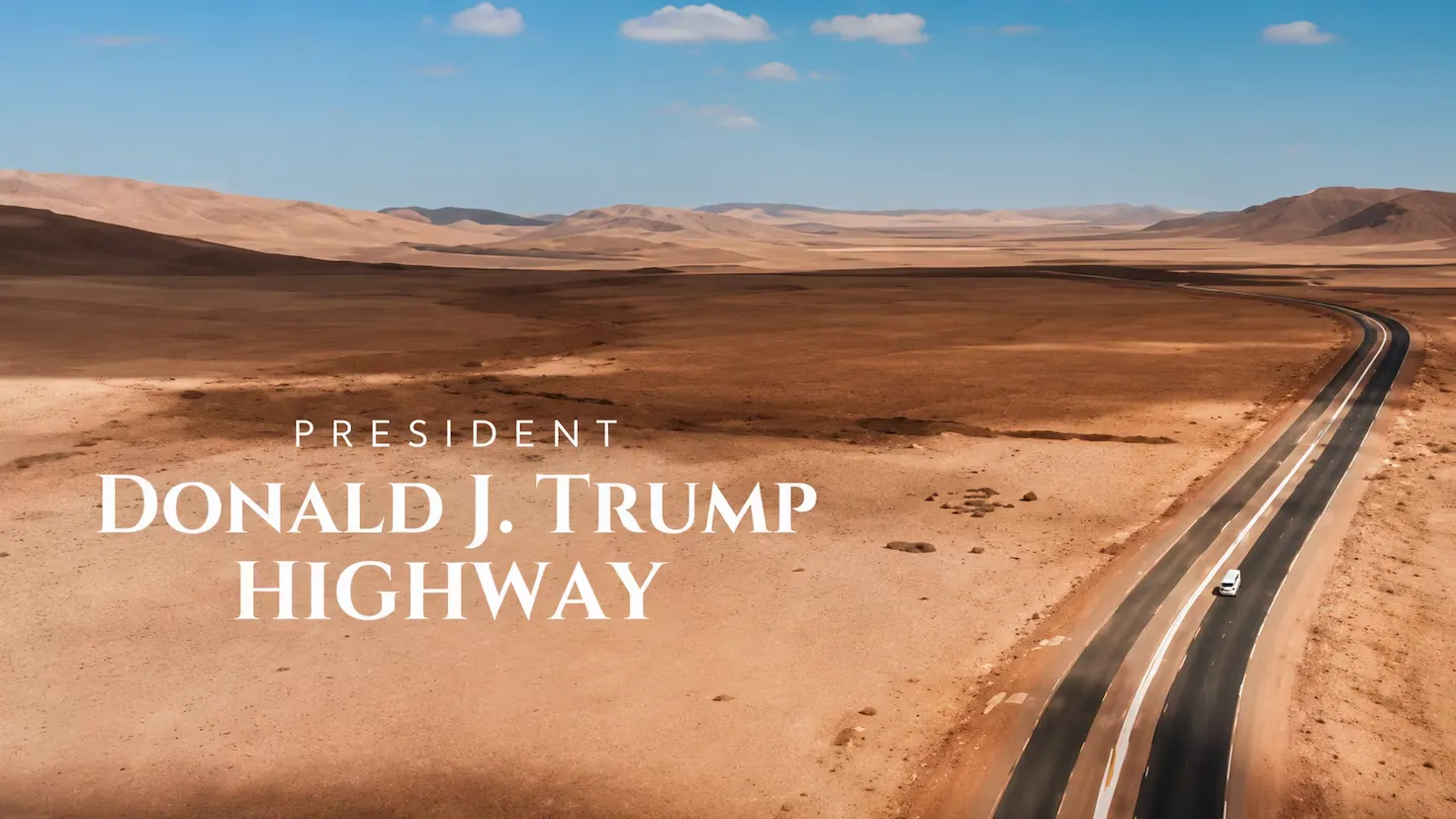
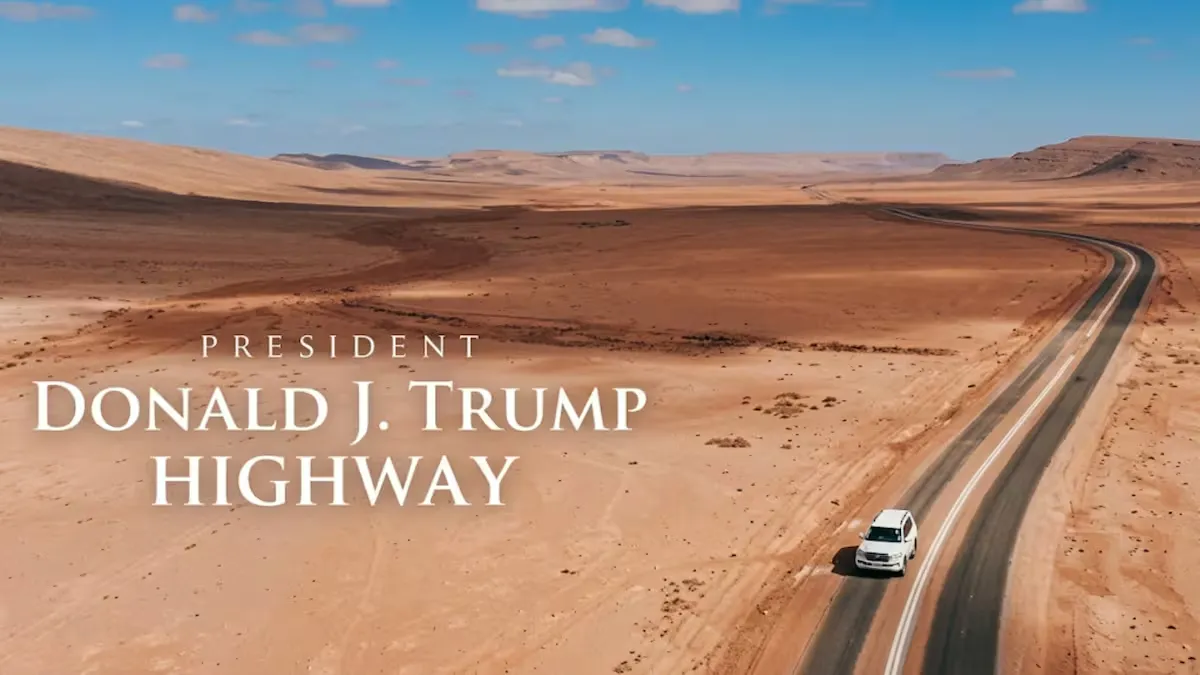
In a significant development that intertwines international diplomacy and infrastructure, former U.S. President Donald Trump has announced the construction of a highway named after him, which will connect the Moroccan city of Tiznit to Dajla, located in the contested territory of Western Sahara. This announcement once again brings to light the complex geopolitical situation surrounding Western Sahara, a region whose sovereignty remains a point of contention. Trump's recognition of Morocco's claims over this territory has been a pivotal moment in U.S.-Moroccan relations, especially since the formal acknowledgment in 2020.
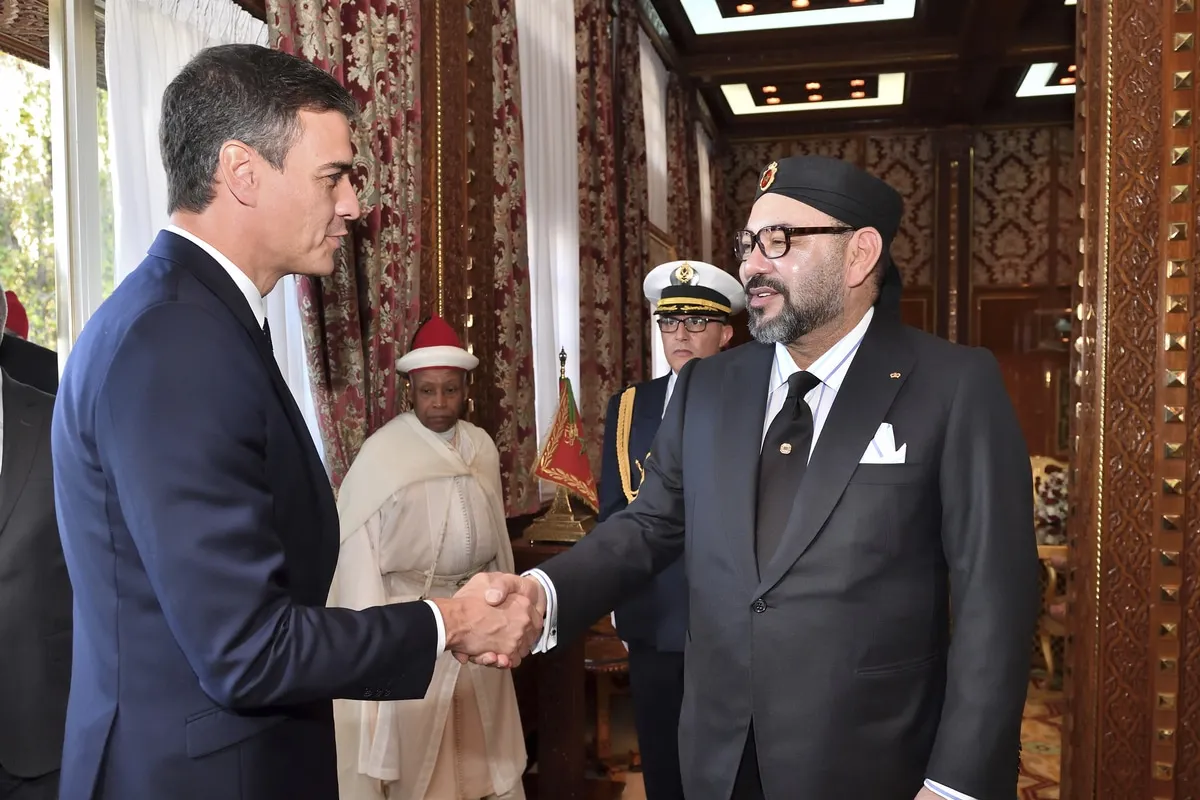
The announcement, made via Trump's Truth Social account, included a message of gratitude toward King Mohammed VI of Morocco, who has played a crucial role in strengthening ties with the United States. Trump expressed his honor in having this highway named the "Donald J. Trump Highway," underscoring the personal connection he feels toward this project. He remarked, "Thanks to the highly respected Mohammed VI, King of Morocco. It’s a great honor! I hope to travel this great highway someday, hopefully very soon.”
Details of the Donald J. Trump Highway
The proposed highway is set to span approximately 1,000 kilometers, linking Tiznit with Dajla, which is situated in the Western Sahara region. This infrastructure project is part of Morocco's broader strategy to enhance its southern infrastructure and connect this area to the anticipated Atlantic Port of Dajla, a vital initiative for commercial and logistical development. Such projects are crucial for boosting economic growth in this part of Morocco and ultimately aim to solidify the country's control over the disputed region.
However, the significance of the highway extends beyond mere infrastructure; it touches upon the longstanding political issues surrounding Western Sahara. Once a Spanish colony, the territory was claimed by Morocco in 1975, leading to an ongoing conflict with the Polisario Front, which advocates for independence and has declared the Sahrawi Arab Democratic Republic. This unresolved status has attracted the attention of the United Nations, which continues to monitor the situation closely.
Morocco's government proposes an autonomy plan for Western Sahara under its sovereignty, a position that has garnered support from several nations in recent years. Conversely, the Polisario Front insists on the need for a referendum on self-determination, a process envisioned in the ceasefire agreement facilitated by the UN in 1991. However, disputes over voter eligibility have stalled this initiative, leaving the future of the territory uncertain.
During his tenure, Trump’s recognition of Moroccan sovereignty marked a shift in the traditional U.S. stance on the conflict, aligning the United States more closely with Morocco's position. This shift has been echoed by other countries, such as Spain and France, which have also supported Morocco's autonomy plan. Yet, the Polisario Front continues to reject these solutions, claiming that any resolution must ensure the Sahrawi people's right to determine their future through a fair process of self-determination.
With the announcement of the Donald J. Trump Highway, Trump reenters the discourse surrounding one of Morocco's most significant infrastructure projects in the region. This initiative highlights the intricate relationship between infrastructure development and international political dynamics as the future of Western Sahara remains a topic of diplomatic contention worldwide.
As reported by elimparcial.com.