Casablanca's Abdellah Belhaj Slum Faces Demolition
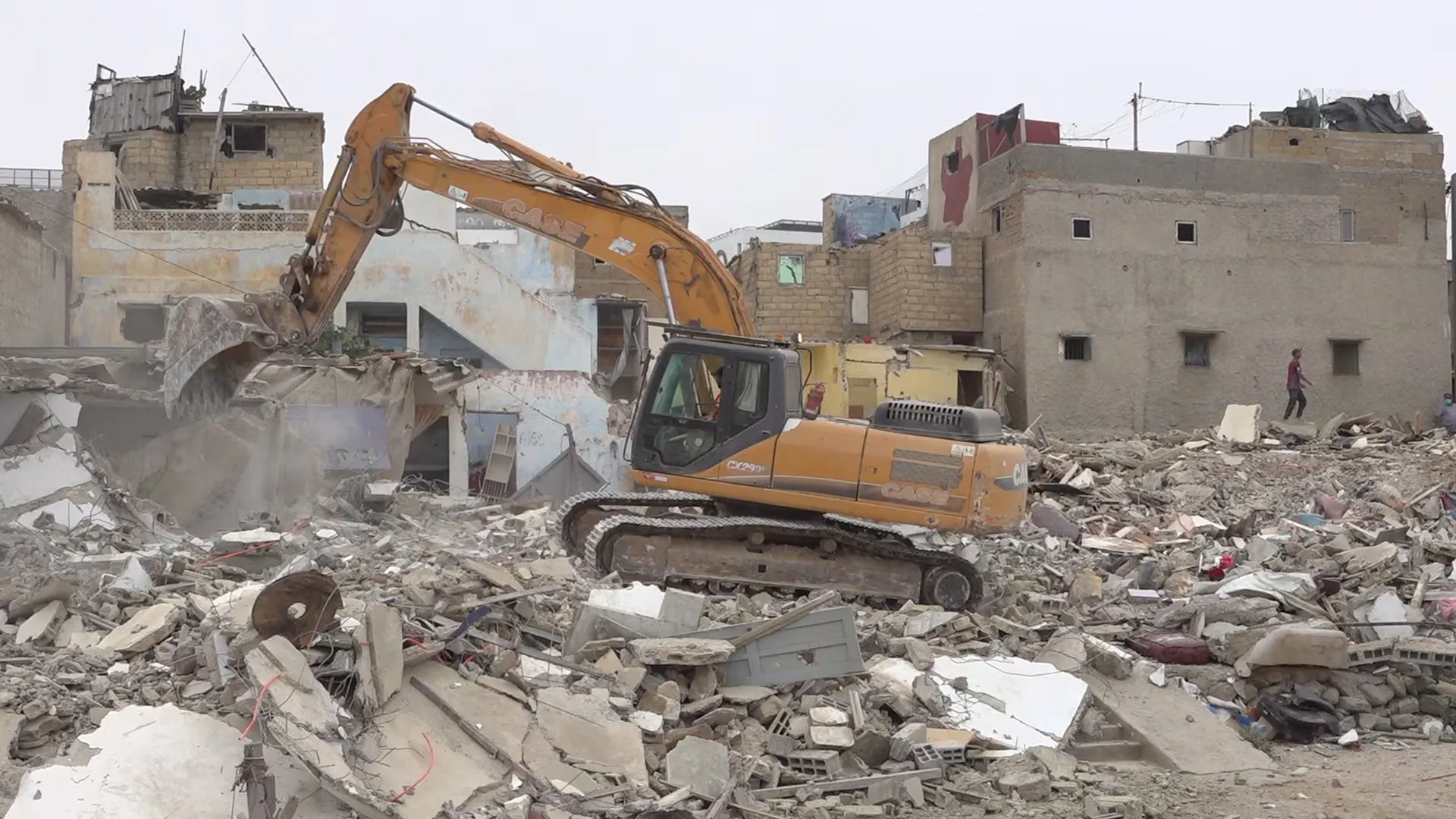
On June 22, 2026, local authorities in Aïn Sebaâ, Casablanca, commenced the demolition of the Abdellah Belhaj slum, one of the oldest informal settlements in the city. This significant operation involves the razing of approximately 800 makeshift homes, marking the end of an era for a community that has stood for decades along the coast of Aïn Sebaâ. As bulldozers tore through the structures, many families gathered to witness the destruction of their lifelong residences, a poignant moment filled with emotion for the residents who had invested their lives in this neighborhood.
Among the crowd was Abdelghani, an octogenarian who shared his memories of the slum, revealing that he had settled there nearly fifty years ago. He recounted how the area originally housed workers and families connected to the industries that flourished during the French protectorate. Many of the residents were employed at the nearby port of Casablanca and in the textile manufacturing sector, making the slum a vital part of the local labor history. According to Abdelghani, the settlement dates back over eight decades, serving as a backdrop to the industrial development of the region.
Relocation Plans for Displaced Families
In conjunction with the demolition, local authorities have announced a relocation plan aimed at accommodating 1,391 families who will be moved to new apartments in a residential project known as "Abraj City," located in the Moulay Rachid district. This initiative is part of a broader effort to improve living conditions and address the challenges posed by informal housing throughout the city. The destruction of the Abdellah Belhaj slum not only signifies a physical transformation of the area but also represents a shift in the socio-economic landscape of Aïn Sebaâ, a neighborhood that has historically been intertwined with Casablanca's industrial growth.
The demolition of the Abdellah Belhaj slum marks a significant milestone in urban development and social reform in Casablanca, aiming to replace old, unsafe housing with modern residential solutions. While this transition may bring about improvements in living standards, it also raises questions regarding the emotional and cultural impact on the displaced residents who must now adapt to new environments.
As reported by fr.le360.ma.