VAR Controversies Highlighted in Morocco vs. France Match
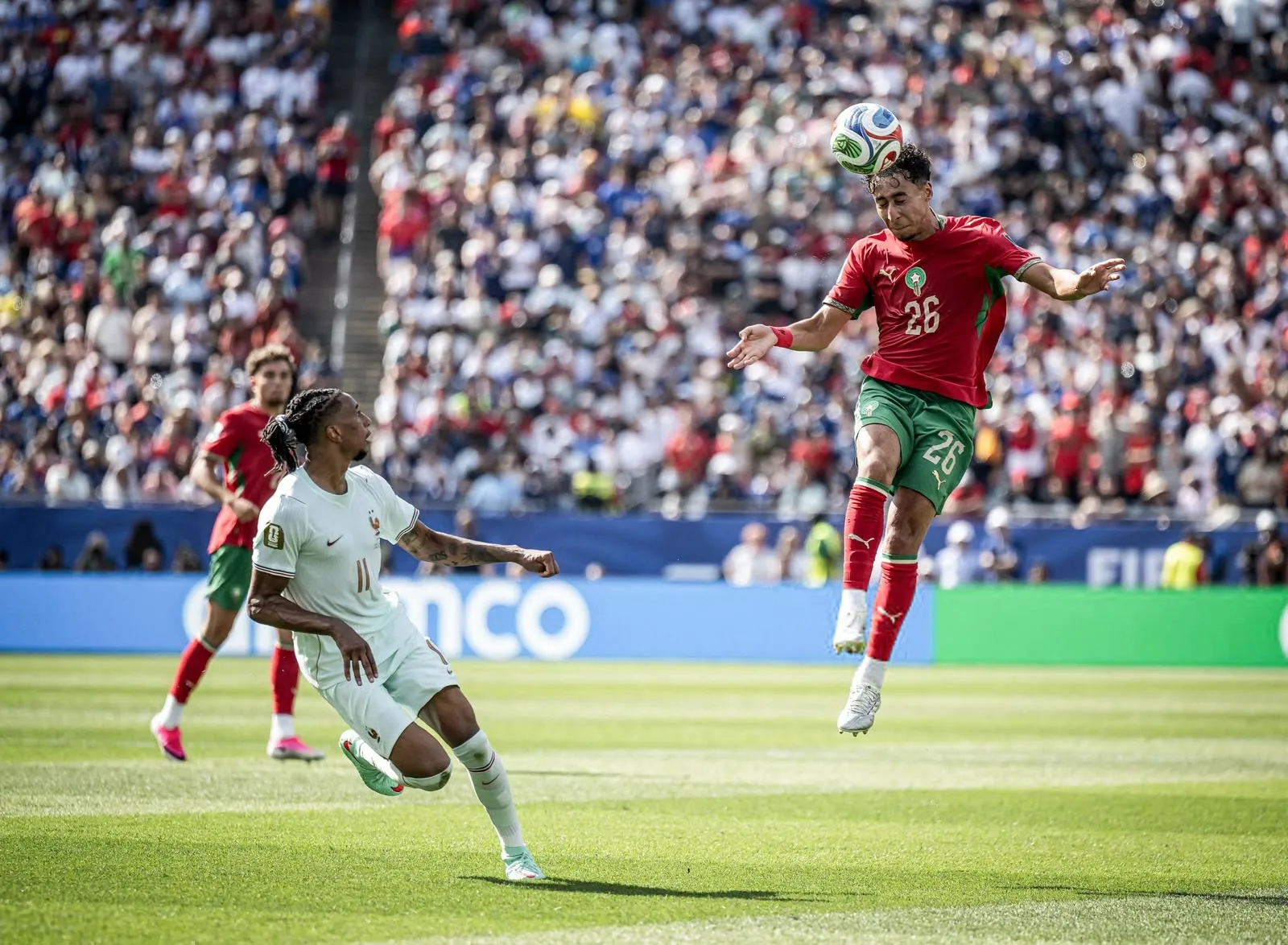
The Moroccan national team exited the 2026 World Cup with heads held high after a logical defeat against France, concluding the quarter-finals with a score of 2-0 at the Boston stadium. While the French team showcased undeniable football superiority during the match, the officiating decisions once again took center stage, igniting discussions that extend beyond this single encounter. This situation raises legitimate concerns about the fairness of refereeing decisions when traditional football powerhouses face off against emerging and ambitious teams.
The drama began in the first half when Argentine referee Facundo Tello awarded a penalty to Kylian Mbappé after a collision with Noussair Mazraoui. Replays clearly indicated that the French star began to fall before any actual contact occurred. Nevertheless, the Video Assistant Referee (VAR) confirmed the referee's decision, leaving spectators astonished. Fortunately for Morocco, goalkeeper Yassine Bounou demonstrated remarkable focus and saved the penalty attempt. However, the Moroccan team's struggles did not end there; they protested vigorously after the first French goal, claiming a handball by Adrien Rabiot at the start of the play, but the referee allowed the game to continue without intervention from VAR.
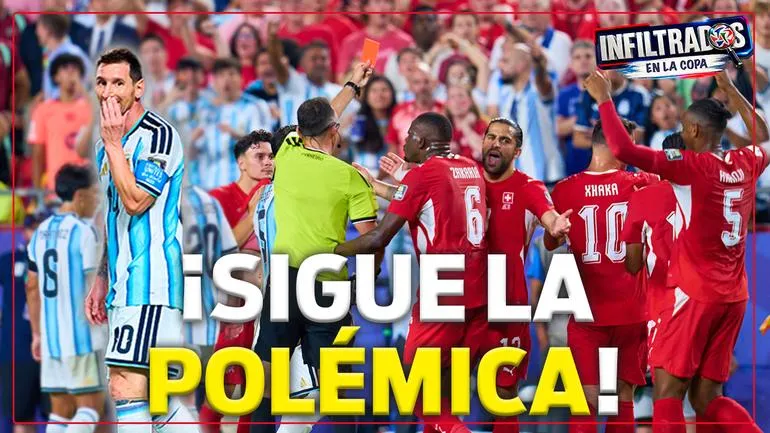
Such grievances seem to have become a common thread particularly affecting African teams. The Egyptian national team, for instance, felt deprived of a ticket to advance against Argentina due to controversial refereeing decisions by François Letexier, which included disallowing a goal and overlooking a clear penalty for Mohamed Salah.
Additionally, Croatia has vocally criticized the excessive use of connected ball technology that resulted in the cancellation of a goal against Portugal for an alleged non-impactful touch. Ecuador has also raised concerns about the legitimacy of a German goal that followed an uncalled clear foul in the build-up.
The recurrence of these errors, especially against specific categories of teams, transforms the situation into a genuine crisis of trust. Acknowledging a competitor's superiority does not justify ignoring officiating blunders. Today, affected federations demand the necessity for unified standards and transparent application of rules that ensure equal opportunities for all, regardless of star power, to safeguard the integrity of the world’s most popular sport.
As reported by almountakhab.com.