Ceuta's Immigration Crisis: A National Emergency
The situation unfolding in Ceuta has escalated into a genuine national emergency concerning immigration. This alarming trend is evident to both the Civil Guard and national police stationed at the border. Recent statistics indicate a significant increase in the number of arrivals, a direct consequence of the Supreme Court ruling which has acted as a magnet for migrants. Individuals from various regions of Morocco are now converging on the neighboring town of Castillejos, seeking to swim across the border.
Immigration attempts occur at all hours, with migrants crossing through Tarajal and Benzú. This influx includes not only Moroccans and Algerians but also Sub-Saharan Africans who are now opting for swimming as a means to circumvent border security. Just recently, a Sudanese migrant arrived at the CETI (Temporary Reception Center), greeted by loud cheers from fellow compatriots who documented the moment on their mobile phones.
Unfortunately, this surge in maritime entries, particularly from individuals who lack proper swimming skills, is on the rise, significantly heightening the risks involved and concurrently fueling the human trafficking networks that profit from these perilous crossings. Reports from last night describe a scene of utter chaos as dozens of migrants took to the sea in search of refuge.
The Civil Guard Maritime Service has been relentless in locating individuals at sea, while Moroccan authorities have intercepted approximately 170 swimmers. However, the numbers do not add up; there are more individuals attempting to swim across than can be intercepted. This includes minors, adults, and women, all contributing to what has been described as an open sieve for migrants. Without urgent intervention from the highest levels of government, the ramifications could be catastrophic, not only for maintaining order within the city but also for ensuring the availability of essential resources.
The Broader Implications for Europe
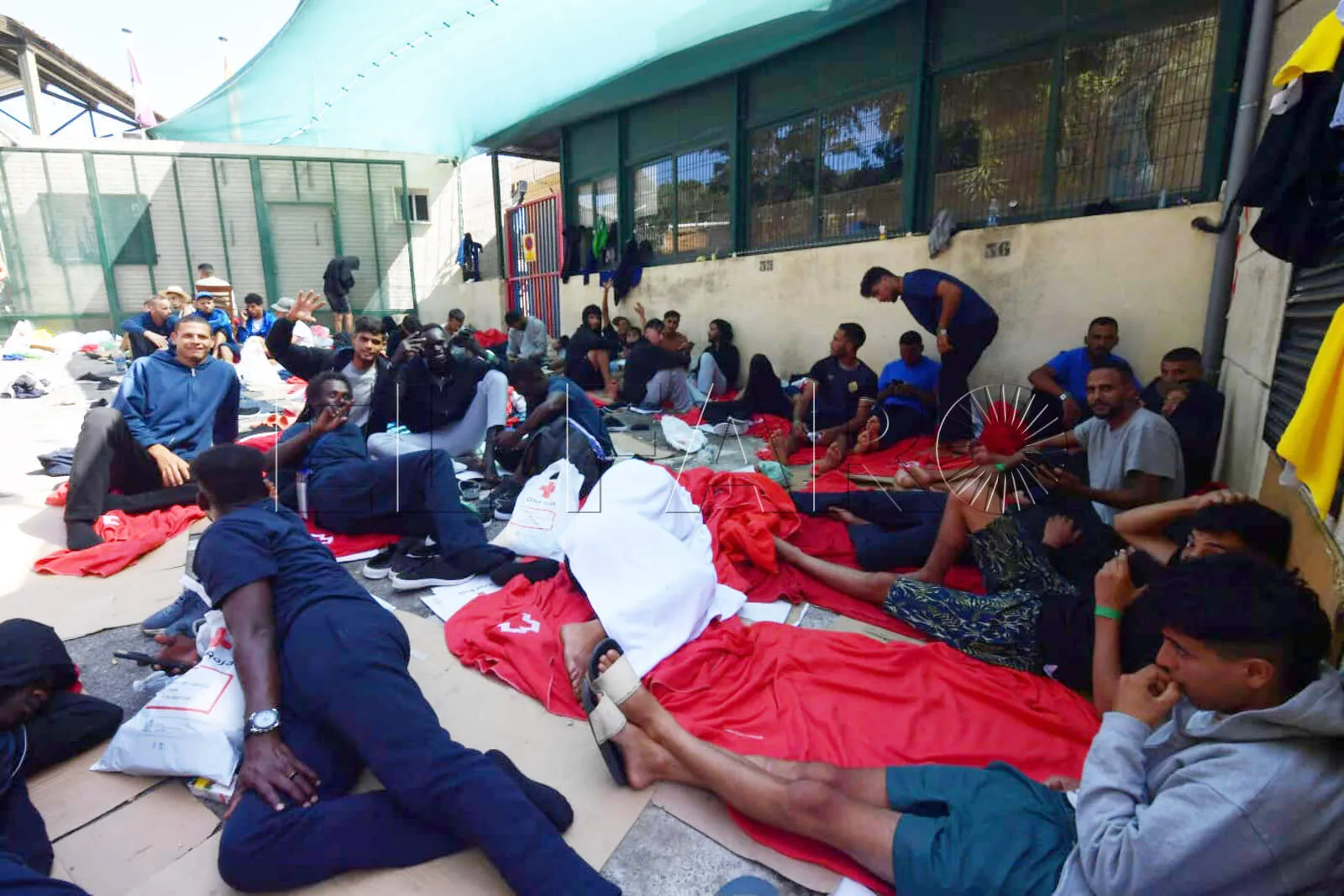
This crisis is not solely a concern for the Spanish government but also poses challenges for Europe as a whole. The maritime route has effectively turned into an unregulated highway, with increasing numbers of individuals sleeping outside the CETI in hopes of being accommodated. The center is overwhelmed, and the situation shows no signs of abating. Even the transfers to the mainland are insufficient to alleviate the pressure.
A parallel camp has emerged, encroaching on the entrance and sides of the CETI, as well as the surrounding mountainous areas. While some migrants have found shelter in nearby residences, the staff at the temporary center is stretched thin, struggling to maintain order amidst the influx. The repercussions of the Supreme Court ruling regarding maritime returns and its illegality are becoming evident daily. What is most alarming is that this crisis, already out of control, has developed in just a few weeks.
Concerns are mounting across various sectors, particularly among agents who confront this situation at the border and those tasked with managing the influx of migrants. With insufficient personnel, the number of fatalities and missing persons continues to rise. The city has had to allocate additional resources to cater to minors, while the CETI seeks alternatives to address the crisis unfolding at its doorstep.
Ceuta stands on the brink of a critical situation that necessitates top-level intervention to mitigate the consequences being reported by various Civil Guard associations and police unions. The lack of decisive action could result in severe repercussions for the community and, ultimately, for the stability of the region.
As reported by elfarodeceuta.es.