Melilla's Eid al-Adha Celebration Highlights Cultural Unity
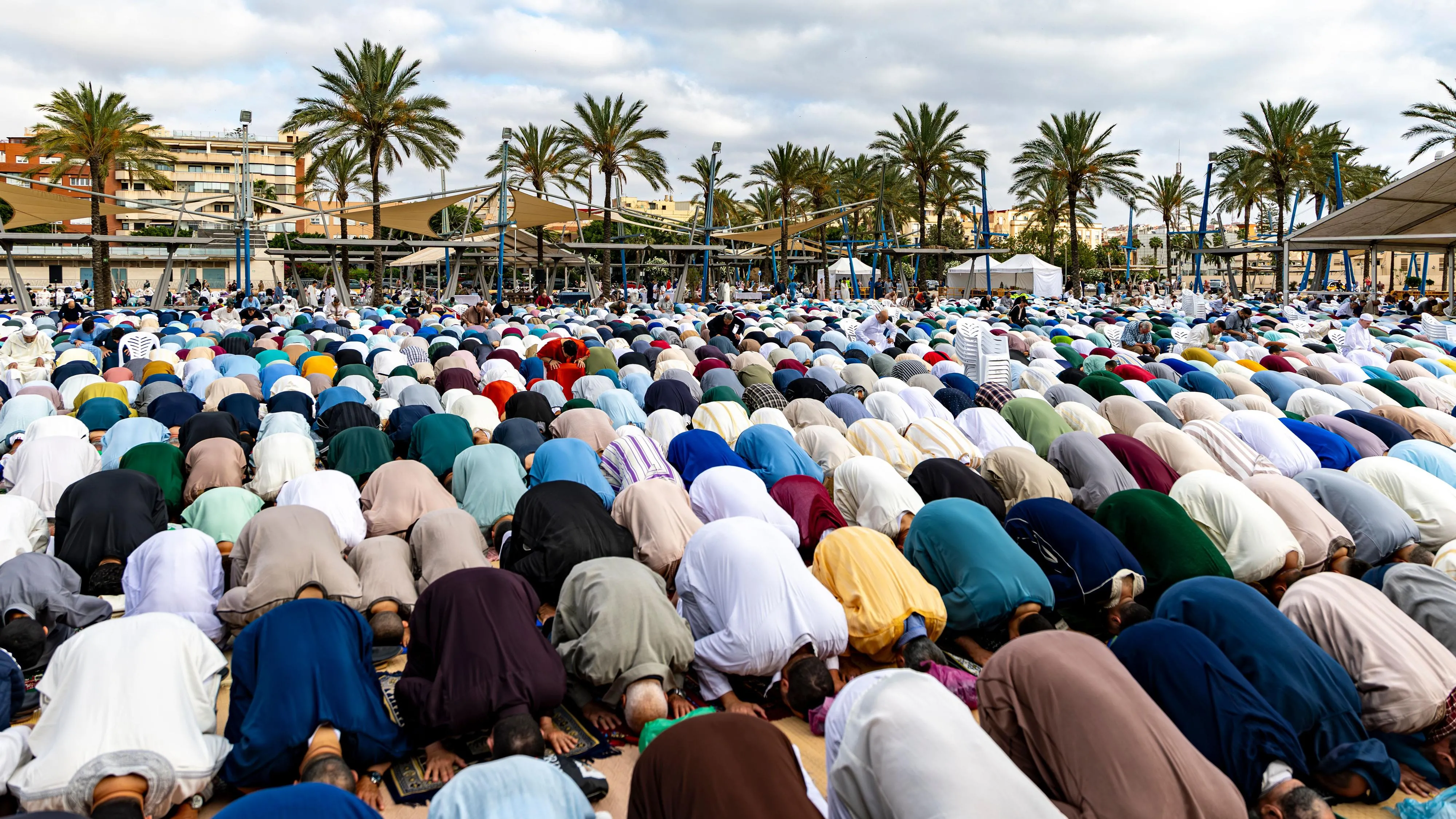
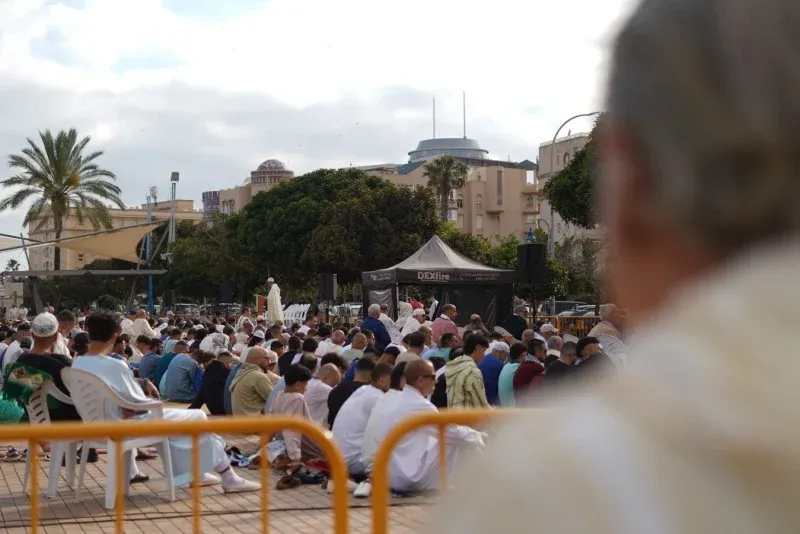
As dawn broke on the morning of Eid al-Adha, Wednesday, a steady stream of Muslims began to gather at the main prayer area in Melilla, a city under Spanish occupation. This scene vividly illustrated the long-standing spirit of coexistence that has characterized the city for centuries, despite the complex political and border-related challenges that surround it. Traditional garb donned by men, modern attire worn by the youth, and children playfully darting among the ranks created a vibrant tapestry of community. Families arrived early, eager to secure a spot close to the sermon platform, transforming the prayer space into a melting pot of diverse Muslim backgrounds united by a religious occasion that transcended mere worship, instead serving as a collective civil declaration of the enduring social and cultural bonds within a city uniquely rhythmical in its ties to northern Morocco.
Calls for Unity and Reopening Borders
During the gathering, the Eid sermon was delivered by the imam, whose calm Spanish voice resonated with messages of coexistence and the effective management of differences, invoking the values of tolerance and respect for diversity as outlined in the Quran. The attentive faces in the audience reflected the diverse composition of Melilla itself, a place where religious and cultural identities coexist, and where daily life often leads to spirited political discussions. Among the attendees was Yahya Yahya, the mayor of Beni Ansar and a former Moroccan parliamentary advisor. His presence drew attention, particularly as his name resurfaced in recent debates concerning the reopening of the Ferhana border crossing, which has remained closed since March 2020.
Nearby, worshippers received Eid greetings from José Imbroda, the president of Melilla, an autonomous city governed by Spain. This interaction subtly underscored the intricate geopolitical realities surrounding Melilla. Yahya Yahya's appearance at this year's Eid al-Adha in Melilla was not merely coincidental; it was intricately linked to his recent calls for residents to send a "collective message" to King Mohammed VI, expressing their desire for the reopening of the Ferhana border. He emphasized that the decision rests solely with His Majesty the King. Prior to this invitation, Yahya had made a similar request directed at the Moroccan monarch, reintroducing the subject of border crossings into local discourse, regarded not merely as closed transit points but as symbols of the social, economic, and human connections that have long linked Melilla with its Moroccan surroundings. This connection, however, has changed since the borders were closed during the COVID-19 pandemic and the subsequent reorganization of border movement.
The festive atmosphere of Eid appeared to revive many of these longstanding questions; numerous families who once navigated freely between the Nador region and occupied Melilla, or maintained kinship and trade ties across the border, now view crossings as more than mere security and administrative checkpoints. The discussions surrounding the notion of a "cross-border Emirate of the Faithful" emerged indirectly, reflecting the sustained spiritual and religious ties that a broad segment of Melilla's population maintains with Morocco, whether through religious occasions or engagement with pilgrimage and religious affairs. The essence of these connections was palpably present within the prayer space, where the event seemed to symbolize the intersection of religious significance with social and cultural extensions that transcend barriers and closed crossings. As the prayers concluded and Eid greetings were exchanged among the worshippers, the scene encapsulated a facet of Melilla's own narrative—a city where politics intertwine with religion, borders mesh with memory, and daily coexistence fuels discussions on identity and belonging. Amidst the joyous proclamations of Eid and ongoing conversations about the closed crossings, the city continues its quest for a delicate balance between geographical realities and historical weight.
As reported by hespress.com.