Exploring Historical Ties Between Morocco and the Philippines
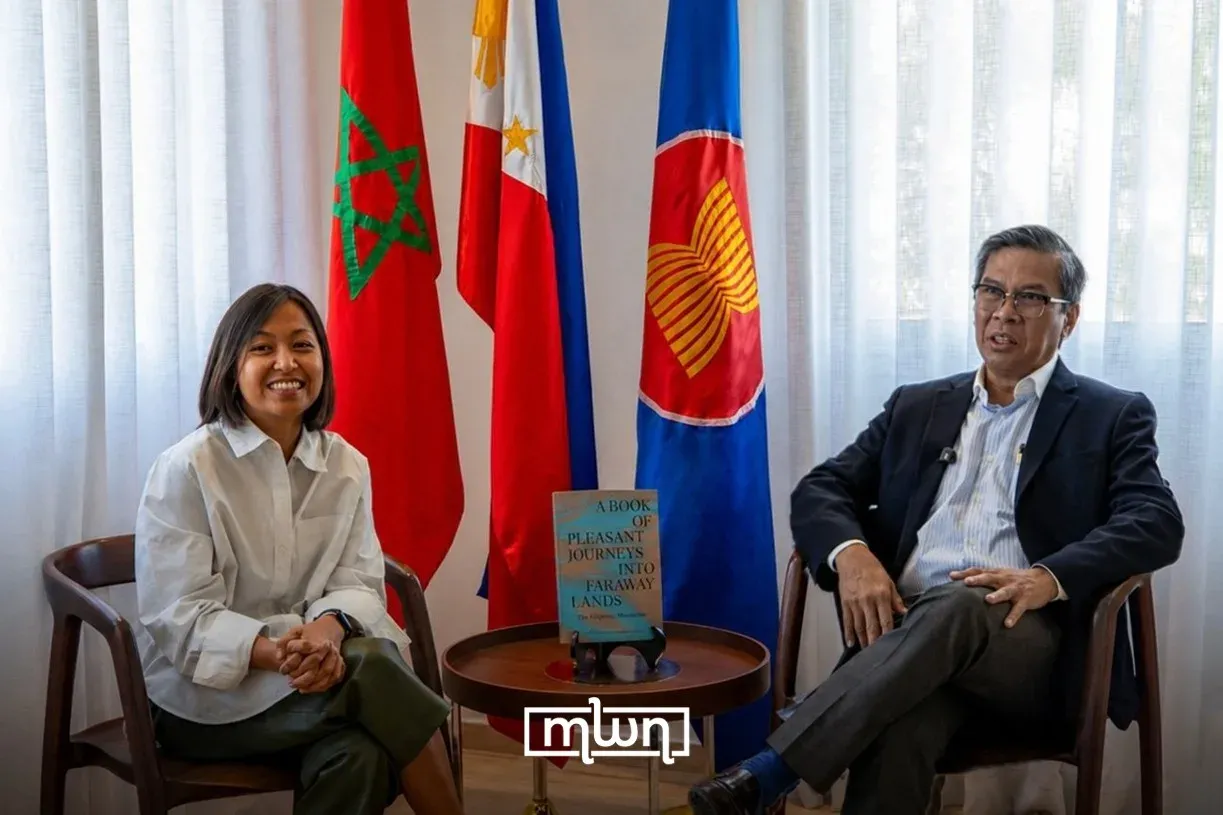
In a remarkable celebration of the half-century anniversary of diplomatic relations between the Philippines and Morocco, the Philippine Embassy in Rabat has released a new book titled "A Book of Pleasant Journeys into Faraway Lands." This publication goes beyond the establishment of formal ties in 1975, delving into the rich historical connections that predate this milestone by centuries. Philippine Ambassador to Morocco, Leslie Baja, highlighted the significance of documenting the historical narrative of bilateral relations, especially given that the embassy was closed for nearly three decades from 1993 until its reopening in 2020. Baja emphasized the importance of recognizing the varied and rich history shared between the two nations, which serves as a strong foundation for future interactions.
Crafted by Rapunzel Acop, the First Secretary and Consul at the Philippine Embassy, the book emerged from a unique assignment given by the Ambassador upon her arrival in Rabat in January 2024. Initially tasked with producing a modest five-page document, Acop's research expanded into a comprehensive 200-page exploration of the enduring friendship between Morocco and the Philippines. This extensive endeavor took nearly two years of meticulous research, involving significant time spent at the Archives du Maroc and utilizing resources from the Maghreb Arab Press and the Office of the President in the Philippines.
From Ibn Battuta to Modern Diplomacy
Among the fascinating narratives presented in the book is the story of the illustrious Moroccan explorer Ibn Battuta and his encounter with the legendary Princess Urduja. Acop noted that the tale of Princess Urduja is taught in Filipino schools, yet many remain unaware that it originates from Ibn Battuta's travels. His accounts detail a stop at Tawalisi, where he met a formidable warrior princess who ruled a matriarchal society, famously refusing to marry anyone who could not best her in battle. For years, many Filipinos believed that Tawalisi was located in Zambales, a northern province in the Philippines, leading to the establishment of monuments and significant cultural references linked to Princess Urduja. Although later studies have questioned this theory, the legend remains a potent symbol of the connection between the two countries.
The book further examines early religious and cultural links, including accounts of Makhdum Aminullah, believed to have origins in Morocco, and highlights the Philippines' support for Morocco's independence movement. Following the re-establishment of diplomatic relations in 1975, the book chronicles the evolution of bilateral cooperation across various sectors, including trade, education, culture, tourism, and people-to-people exchanges. Ambassador Baja noted that since the embassy's reopening in 2020, economic relations have surged by approximately 60%, while cultural exchanges have enriched the understanding between the two nations.
Looking towards the future, Ambassador Baja envisions a robust framework for the next 50 years of relations, emphasizing the importance of political consultations, high-level visits, and enhanced private-sector cooperation. He believes that the book serves as an essential reminder that distance is inconsequential when there is a mutual passion for collaboration. Baja articulated the book's significance as not merely a historical account but a vital resource for understanding the foundations of the relationship that will guide the two countries in the years to come. Through a thorough exploration of the past, he asserts, the Philippines and Morocco can build a more prosperous future together.
As reported by moroccoworldnews.com.