Casablanca-Settat: The Economic Heart of Morocco Facing Critical Challenges
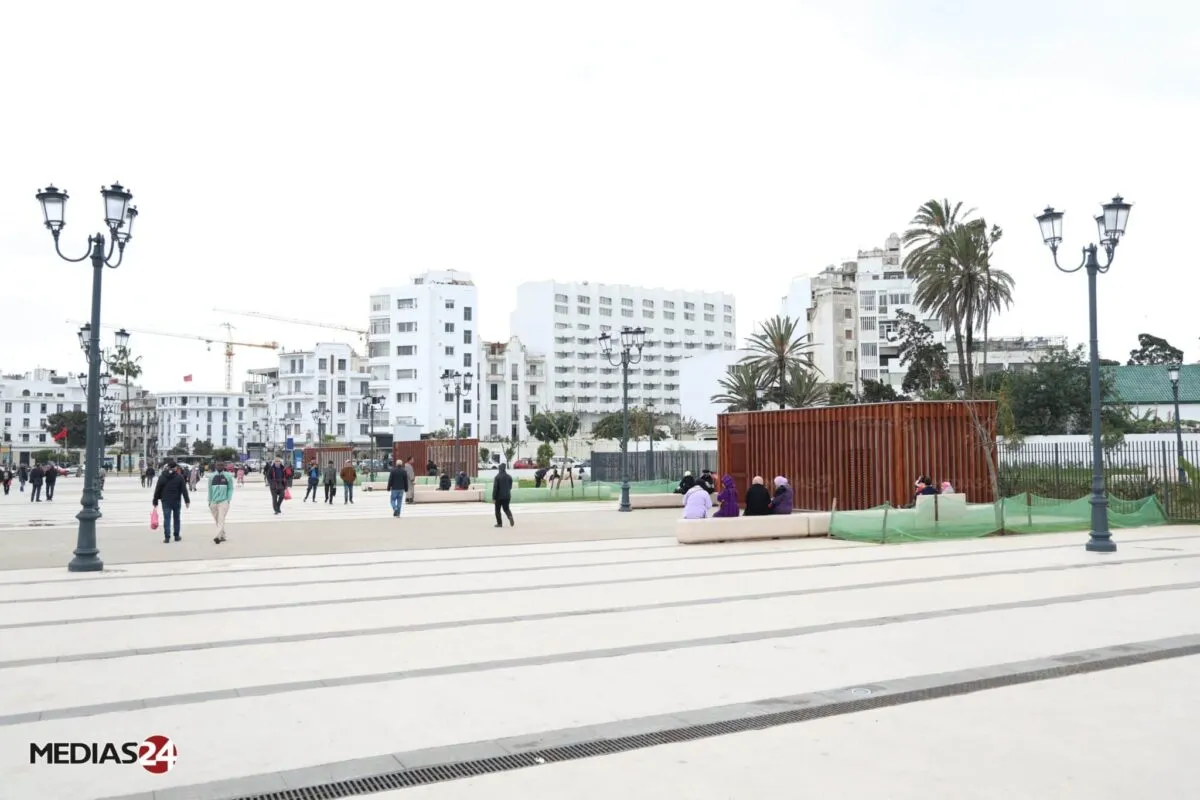
The Casablanca-Settat region stands as the economic powerhouse of Morocco, drawing in wealth, investments, and myriad opportunities. However, beneath this façade of attractiveness lies a web of structural fragilities that include urban saturation, territorial fractures, and escalating imbalances. These issues were highlighted during a regional workshop held on April 20, 2026, focused on the attractiveness of territories, where experts expressed concerns about the region's capacity to maintain its appeal amid rising challenges.
The Need for a Balanced Development Model
As emphasized by Latifa Nehnahi, the Director of National Land Use Planning at the Ministry of National Territorial Planning, "Casablanca-Settat is becoming a saturated region, increasingly spilling over into its peripheries. Currently, a decline in the population within the city walls is observed, signaling a pressing issue that needs to be addressed in urban planning policies." This situation is further exacerbated by a rapid growth rate exceeding 6% per annum in suburban areas, which often lack sufficient public services to support such expansion. Moreover, the southern regions are experiencing a downturn, with 45% of municipalities facing repulsion and a poverty rate of 13.5%.
Despite significant investments in infrastructure, the region struggles to achieve a genuinely balanced economic uplift. Nehnahi notes that regional hubs, even with the presence of major infrastructures like ports and universities, remain underdeveloped, overshadowed by Casablanca's dominance. The overarching goal is to transition from a bifurcated economic model to a more harmonized territorial development approach.
She explains, "The challenge is to evolve from a dominant city model to a real regional system. The key question is how to shift towards a multipolar and balanced regional framework." This transformation seeks to extend the strengths of Casablanca to neighboring areas like El Jadida, Settat, or Berrechid, ultimately fostering a cohesive and competitive regional identity. However, the issue of land availability cannot be overlooked; the scarcity of land and its high costs pose significant barriers to investment.
In the context of advanced regionalization, Casablanca-Settat continues to attract other regions, exerting a direct influence on their dynamics. It is perceived as a strategic corridor, crucial not only at the national level but also on an international scale, linking the northern and southern parts of the country.
This workshop forms part of a larger national study on "Territories and Attractiveness," spearheaded by the Ministry of National Territorial Planning. The initiative aims to create a unified reference framework, develop precise territorial indicators, and foster a shared understanding of territorial dynamics to enhance decision-making and improve the effectiveness of public policies.
The ministry's initial systemic analysis has revealed significant imbalances within the nation: 18% of the national territory, which includes urban centers like Tangier, Rabat, Casablanca, Marrakech, and Fès-Meknès, is home to 62% of the urban population and generates nearly three-quarters of the GDP. This concentration has led to discussions of a two-speed Morocco, underscoring the necessity to reclassify high-potential territories to achieve a more balanced development.
Furthermore, certain regions, such as Béni Mellal-Khénifra, Fès-Meknès, and the Oriental, display high rates of multidimensional poverty. While Morocco has made significant strides, territorial fractures remain that require urgent attention.
In conclusion, while Casablanca-Settat remains a vital economic and demographic core, its challenges—urban congestion, land saturation, and resource pressure—necessitate a dedicated and tailored approach. The region exemplifies both the strengths and the limitations of territorial attractiveness, and it is imperative to not only attract investment but also to organize this attractiveness strategically to ensure sustainable growth.
As reported by medias24.com.