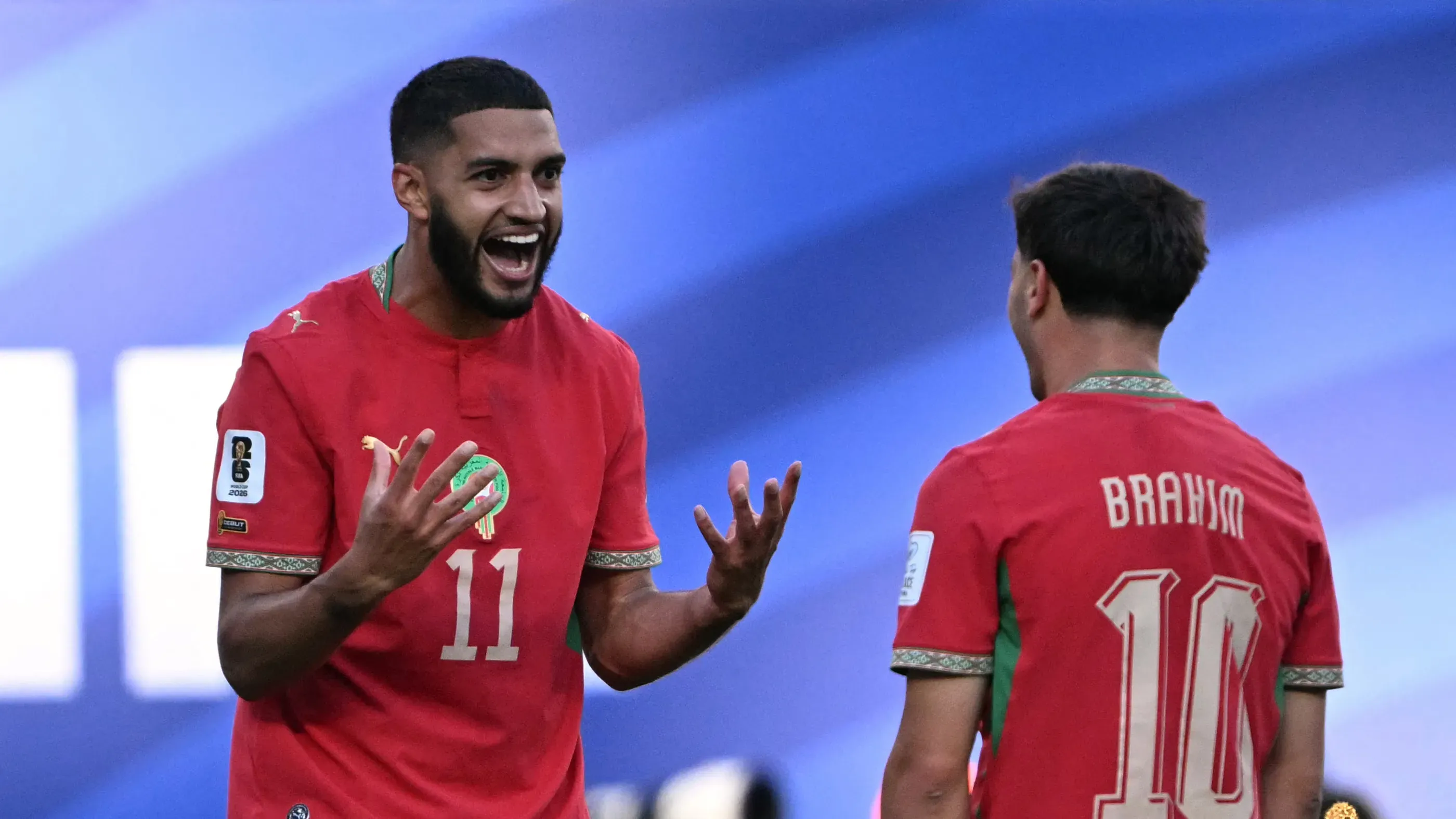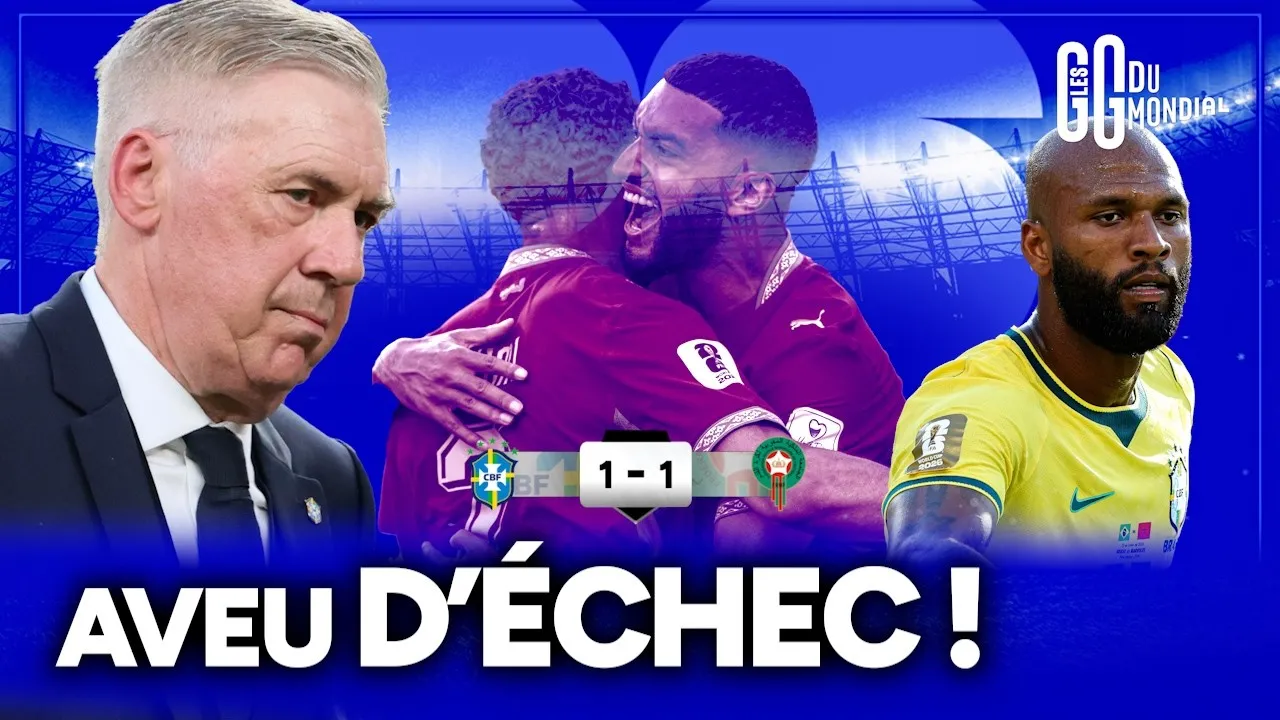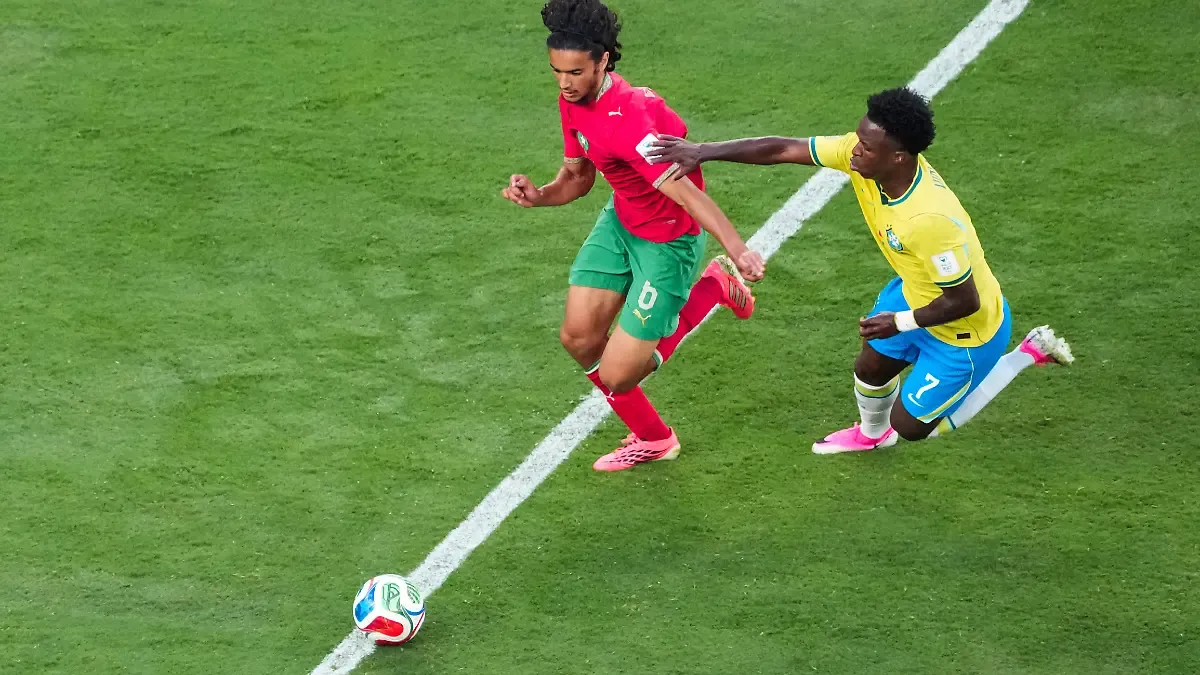
The atmosphere was electrifying as approximately 60,000 Brazilian fans were momentarily stunned into silence, only to be followed by exuberant celebrations from others in the stands. Just seconds before, Brazil’s Casemiro and his teammates found themselves at a disadvantage when Brahím Díaz deftly maneuvered the ball between the central defenders to Ismael Saibari, who skillfully lifted it over goalkeeper Alisson, hitting the back of the net just outside the penalty area. This single moment—a brilliant first touch and a 50-meter pass from the Moroccan team—upended Brazil's entire defensive structure. The referee called for a water break, and the air in the three-tiered stadium seemed to deflate for a moment.
More than four years ago, a match between Brazil and Morocco would have been a straightforward affair, but the current scoreline of 1:1 (1:1) doesn’t quite convey the high stakes of this clash. This encounter in Group C stands out as one of the most prestigious matches of the group stage, featuring the sixth and seventh ranked teams according to FIFA. Brazil had an early exit in the quarter-finals at the 2022 World Cup, while Morocco fought for the third-place finish. Notably, the African team, led by former Bayern star Noussair Mazraoui and PSG defender Achraf Hakimi, triumphed in a historically chaotic Africa Cup final shortly thereafter.
The match was intense, not only on paper but also on the pitch. Morocco started the game with a structured approach, distributing the ball effectively and keeping Brazil on the back foot during the first ten minutes. The Selecao appeared to be struggling initially but slowly regained their composure, although they ultimately conceded a goal. Following the water break, the Brazilian fans remained seated initially, but their spirits were soon lifted as Morocco began to defend their penalty area heavily in the 32nd minute, leaving the left flank open. Vinicius Junior seized the opportunity, receiving the ball with ample space. He skillfully maneuvered through defenders, and with his fifth touch, unleashed a rocket shot into the far corner, reigniting the stadium's energy.
It would be fair to say that Brazil's assistant coach Paul Clement had anticipated such a turnaround. The oppressive heat of New York and New Jersey was slightly alleviated after a brief monsoon the day before; the air felt lighter, yet the sun still bore down on the field. “It will be exciting to see how coaches utilize this time for tactical instructions,” Clement had remarked regarding the newly instituted water breaks. The Brazilian team emerged from the three-minute break with newfound determination.
This World Cup represents Brazil's quest to reclaim their former glory. The record World Cup champions have only reached the semi-finals once since their title win in 2002, a drought that has lasted twelve years. The shocking elimination on home soil against Germany still lingers in the minds of the Selecao, personified by Neymar, the only remaining player from that fateful match in the current squad.
Brazil's national team faced a challenging World Cup qualification campaign in South America, suffering six defeats, including one at home in the legendary Maracanã stadium. In response, the Brazilian Football Confederation appointed star coach Carlo Ancelotti, who is set to take charge in mid-2025. His task is to reinvigorate a team that, despite its relative lack of success over the last two decades, still holds the record for the most World Cup titles with five. No other nation has recorded more victories in World Cup history.
The match in the concrete UFO of New Jersey served as a real test for Ancelotti's team, as it did for Morocco. While the Moroccan squad is filled with well-known names from major European leagues, they also face their own challenges, as Brazil is well aware. The first group game highlighted the potential issues for the Selecao against other top opponents. They appeared less nimble than Morocco, exhibiting a lack of creativity and often failing to make effective first touches; only Vinicius seemed to consistently create moments of surprise.
The Brazilian fans provided ample support, clearly outshining their Moroccan counterparts in terms of volume. Nearly two hours before kickoff, cheers erupted as giant screens displayed the Brazilian team bus arriving, featuring Carlo Ancelotti, Neymar, and others as they made their way to the locker room, with Vinicius Junior even showcasing some dance moves by his locker. The deafening sound from the stadium speakers drowned out the roars of the crowd, which could have made their presence felt even before the match commenced.
In the yellow and green section, banners depicting the legends Didi, Garrincha, Pelé, Romário, and Ronaldo were proudly displayed. Cameras captured the presence of Roberto Carlos and Kaká, the 2002 World Cup champions, some of whom buried their faces in their hands as yet another attack failed to yield results.
While Brazil created more opportunities than Morocco in the second half, they struggled to break through against a fiercely competitive opponent. Shortly after the restart, Lucas Paquetá attempted a spectacular overhead kick that was unsuccessful. Brazil intensified their efforts, forcing Morocco to defend deeper. The standout player from Morocco was the 18-year-old Ayyoub Bouaddi, who played with remarkable composure, effortlessly controlling the ball and outmaneuvering opponents. At one point, when he received a 30-meter pass from his defender, he had the poise to applaud his teammate before taking possession of the ball.
As the match progressed, the creative spark seemed to diminish, but as the final whistle approached, the Brazilian fans erupted into hopeful cheers. Ten minutes of stoppage time were announced when Vinicius nearly broke through on the left side in the 92nd minute. After two corner kicks, Morocco's goalkeeper Yassine Bounou managed to clear the danger twice. Danilo Santos then attempted a low shot from close range, but once again, the goalkeeper was equal to the task.
The match was fiercely contested, and the outcome could have significant implications for both teams in terms of advancing to the knockout stage. Morocco made one last push towards Brazil's goal: Neil El Aynaoui fired from distance, but Alisson failed to hold onto the ball, allowing substitute Ayoube Amaimouni from Eintracht Frankfurt to close in, yet the goalkeeper managed to avert disaster. The resulting corner came to nothing, and on the opposite end, Bouaddi once again displayed his composure, calmly evading Barcelona's Raphinha in his own penalty area. The Brazilian star collapsed to the ground as the high-stakes clash of this monumental World Cup group stage concluded.
As reported by n-tv.de.