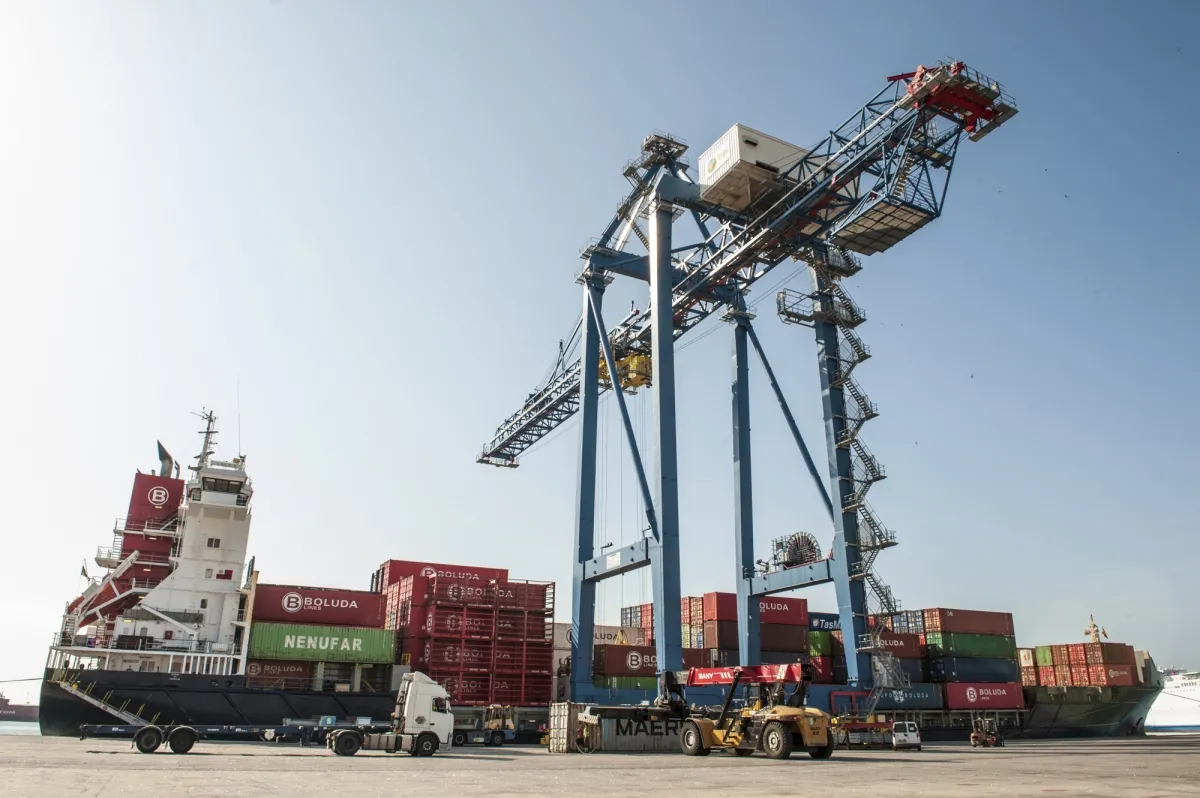
Alicante Port Reports Positive Growth in Cargo Activity in Early 2026
The Port of Alicante has concluded the first quarter of 2026 with encouraging results across its key activity indicators, particularly highlighting a marked increase in cargo traffic, as indicated by statistics released by Puertos del Estado. From January to April of this year, the port managed to mobilize an impressive 1,052,902 tons of goods, representing a notable rise of 16.56% compared to the same period last year. This growth is largely attributed to the robust performance of general cargo, which surged by 40.42%, reaching 643,826 tons, as noted by official sources in a recent statement.
Moreover, the containerized cargo segment has shown a remarkable increase of 24.2%, significantly surpassing the national average growth rate of 4%. This positive trend is accompanied by ambitious plans to establish new maritime routes with North Africa, particularly following the strengthening of commercial ties with Algeria. There is a concerted effort to revive connections with Morocco similar to those that operated in 2023, managed by Maghreb Container International (MCI Spain). Currently, the Port Authority has recognized interest from several companies looking to establish this connection, although specific agreements and the frequency of this potential new service have yet to be finalized, as emphasized by Port President Luis Rodríguez.
Significant Developments and Future Prospects for Alicante Port
In addition to expanding connections with Morocco, the port is also looking to enhance its cargo capacity with the Canary Islands and Istanbul, facilitated by services operated by JSV. There are ongoing efforts to solidify traffic with Egypt and explore new routes with other Mediterranean ports as well as Mexico, potentially marking the first transoceanic link for Alicante Port after establishing an initial route with Senegal in West Africa, as previously reported.
Regarding other performance metrics for the first quarter of the year, liquid bulk traffic exhibited a substantial increase of 57.3%, reaching 26,802 tons. Conversely, solid bulk traffic without special facilities experienced a significant decline of 55.27%, primarily due to reduced movements related to slags and industrial materials—a trend attributed to operational adjustments and changes in specific international logistics chains. On a brighter note, solid bulk traffic with special facilities increased by 16.62%, driven mainly by heightened industrial and cement activity. Conventional cargo saw a slight decrease of 9.2%, although it continues to maintain stable levels, particularly in paper products, recycled materials, and natural stone.
On the passenger traffic front, Alicante Port is enhancing its tourism and maritime connectivity, with 106,503 passengers recorded from January to April, marking a 35.55% increase from the previous year, largely driven by cruise tourism. Specifically, the first four months of the year saw a total of 64,345 cruise passengers, reflecting a remarkable growth of 60.52%, which cements Alicante's status as a strategic destination within Western Mediterranean cruise routes. The number of cruise calls has also increased, from 18 to 20, concentrated in March and April after a solitary call in January.
Vehicle traffic also demonstrated favorable trends, with 35,199 units moved by the end of April, representing an astounding 87.38% increase compared to 2025, propelled by both ferry and cargo traffic. An analysis of April traffic alone reveals further positive outcomes, with the port mobilizing 313,015 tons of goods, reflecting a year-on-year increase of 42.43%. Container traffic reached 20,553 TEUs for the month, showcasing impressive growth of 50.75%, while exports performed exceptionally well, with a cumulative increase of 121.98%.
The President of the Port Authority has expressed satisfaction with these results, highlighting the adaptability and growth of Alicante Port in an increasingly competitive and dynamic international logistics context. He also acknowledged the collective efforts of the entire port community, including operators and businesses, in enhancing competitiveness, diversification, and operational capacity.
In a recent meeting with the President of the Generalitat, Juanfran Pérez Llorca, discussions focused on supporting projects aimed at bolstering the port's competitiveness and the Alicante economy through modernization and new logistics infrastructures. This includes initiatives such as the Smart Port project, expansion of dock capacity, and the execution of a rail station to connect with the Mediterranean Corridor, which is still awaiting a collaboration agreement with the Ministry of Transport, the Generalitat, and the City of Alicante.
As reported by alicanteplaza.es.