Algerian Authorities Target Freedom of Expression
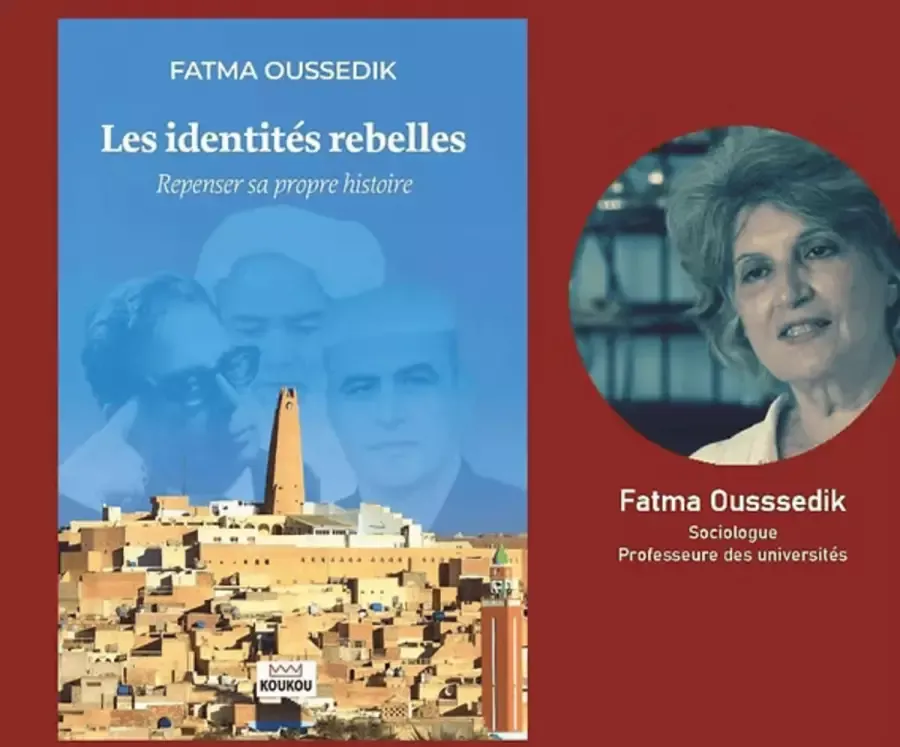
In a striking demonstration of the Algerian government's intolerance towards free discourse and independent thought, the authorities recently intervened to prevent the launch of a book by sociologist Fatima Ousdiq, leading to the closure of the Fine Arts Library in the capital for an entire month. This incident, which occurred on April 18, 2026, highlights the regime's persistent fear of intellectual exploration that diverges from its official narrative. Reports indicate that police officers confiscated copies of Ousdiq's book, "Rebellious Identities - Rethinking Our History," and subsequently imposed a month-long closure on the venue, a decision described as "unjustifiable and illegal" by the book's publisher, Arezki Ait Arbi.
The Implications of Censorship on Culture
This event is not merely an administrative action; it reflects an authoritarian mindset that is quick to pursue censorship whenever literature threatens to challenge the state's historical or social narratives. The book itself is the product of extensive field research focused on the history and sociology of the M'zab Valley, an Amazigh region in southern Algeria. The publisher invoked Article 54 of the Algerian Constitution, which stipulates that the suspension of publishing activities can only occur through a judicial order, thereby underscoring that the government acted outside the bounds of the law it claims to uphold.
This incident starkly contrasts the official portrayal of Algeria as a nation that embraces openness and tolerance. In practice, cultural spaces are becoming heavily monitored environments, where research literature is deemed contraband, and written words can lead to punitive measures. The Algerian regime's actions reveal a deep-seated insecurity regarding any attempts to interpret society and history beyond the rigid frameworks it enforces.
Ultimately, this episode communicates a profound political message: a government that fears a book and recoils from a scholarly discussion is one that struggles with its relationship to freedom. The suppression of Ousdiq’s work and the closure of the library do not project an image of "state authority"; instead, they expose the fragility of a system that views literature as a rival and intellectuals as threats, and regards open discussion as a danger that must be silenced.
As reported by anwarpress.com.