The extraordinary summit of the African Union (AU), held in Accra on July 21 and 22, focused on the urgent theme of "Advancing Justice, Equity, and Universal Health Coverage." This pivotal meeting underscored the need to eradicate AIDS, eliminate avoidable maternal deaths, and combat diseases that hinder development. The summit has become a focal point for Africa's medical geopolitics as we approach 2030. Beyond clinical indicators, a significant political issue emerged: Africa must achieve health independence, with Morocco playing a critical role in this endeavor.
Guided by the vision of King Mohammed VI, Morocco is not only a leader in healthcare but also proposes a comprehensive doctrine that embodies a health diplomacy aimed at preventing the continent from falling into the trap of dependency. This ambitious collective vision seeks to heal Africa through African initiatives, establishing a clear path toward self-sufficiency in health.
A Model for African Resilience
The AU's Agenda 2030 necessitates upgrading healthcare structures across the continent. Access to cutting-edge treatments, maternal and child protection, and combating major pandemics can no longer be contingent upon fluctuating international aid or external factors. The series of recent global health crises has demonstrated that the security of a continent cannot be outsourced to external entities. In this context, Africa is searching for a resilient model, and Morocco's voice resonates powerfully, drawing from a proven field experience and a co-development vision that prioritizes human dignity at the heart of diplomatic action.
King Mohammed VI's leadership in Africa is characterized by consistency and commitment to health as one of the cornerstones of Moroccan soft power. This solidarity-driven diplomacy is devoid of opportunistic intentions and continues the King's pan-African engagement. Morocco has emerged as Africa's second-largest exporter of medicines, directing nearly 8% of its production to sub-Saharan markets. During the COVID-19 crisis, while the world succumbed to "vaccine nationalism," King Mohammed VI initiated an unprecedented wave of pan-African solidarity, dispatching substantial medical aid, including masks, hand sanitizers, gowns, and essential medicines produced locally in Morocco, which laid the groundwork for an inter-African emergency logistics framework.
From Industrial Model to Shared Sovereignty
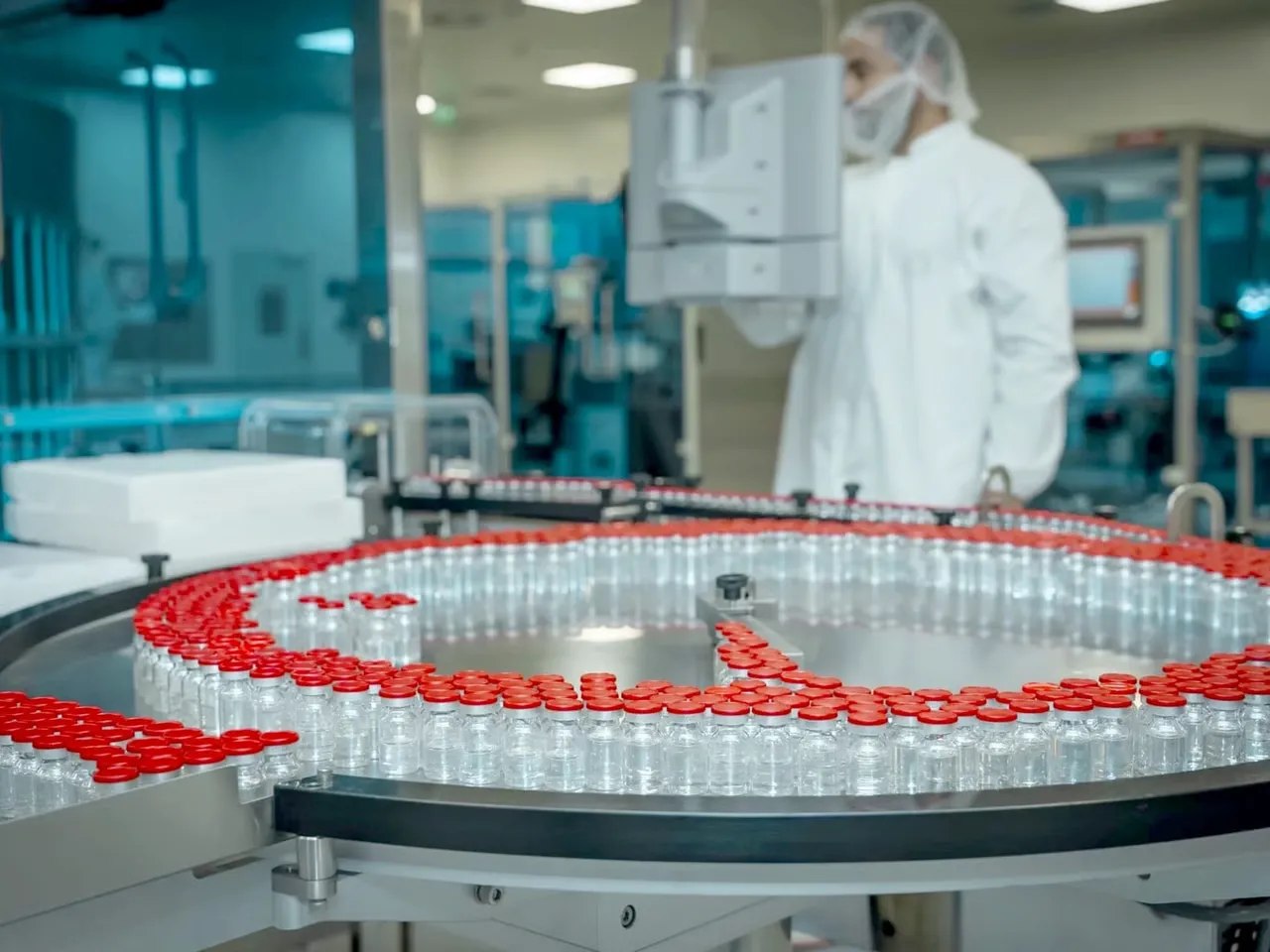
One clear demonstration of Morocco's pragmatic approach is the establishment of the Marbio (Morocco Biotechnologies) industrial city in Benslimane, positioning Morocco as a continental hub for vaccine and biotechnology production. This industrial autonomy is intended to be shared with other nations on the continent. By investing in high medical technology, Morocco is forging a clear path that asserts that African medical sovereignty hinges on the emergence of integrated regional hubs that manufacture medicines and inputs locally. By breaking the monopoly of major global laboratories, Morocco's strategy aims to equip Africa with the attributes of its true sovereignty.
The evident leadership demonstrated at the Accra summit is also a result of Morocco's implementation of a transformative health policy that is already inspiring many countries on the continent. The success of the "Moroccan method" hinges on a triptych: an unprecedented expansion of mandatory health insurance coverage that now includes 71% of the population; an investment of over 6.43 billion dirhams (approximately 600 million euros) for the comprehensive upgrade of 1,400 primary care facilities; and a digital transformation that includes the generalization of shared medical records and a dematerialized health card.
Moreover, Morocco has become the premier center for training excellence for sub-Saharan medical and administrative elites. Its medical and pharmacy faculties, along with its university hospitals, host hundreds of African students and residents each year, supported by scholarships from the Moroccan Agency for International Cooperation (AMCI). Additionally, the Marbio control laboratory serves as a collaborating center for Africa CDC, training professionals across the continent in analytical methods and quality control of biological products, thereby concretely supporting the establishment of the upcoming African Medicines Agency, which Rabat actively endorses.
In summary, African integration must transcend mere trade agreements or infrastructure development; it must be fundamentally human. As demonstrated by royal health diplomacy, health is the foundation of any economic emergence. Without healthy populations, the Agenda 2030 will remain an unfulfilled aspiration. The AU must recognize this paradigm shift: African solidarity is evolving. It is no longer synonymous with ad-hoc crisis management but rather with a collective endeavor to build a sustainable future. The collective ambition is now clear: to converge health systems, harmonize pharmaceutical regulations, and establish a continental health union.
The future of health in Africa is being forged today. Through its consistency, generosity, and commitment to scientific rigor, the health diplomacy championed by King Mohammed VI is emerging as a catalyst for the continent's new medical sovereignty. By 2030, Africa will no longer be the poor relative of global medicine. Thanks to bold and united visions, exemplified by Morocco, the continent is poised to take charge of its health destiny and build the foundations of its medical sovereignty.
As reported by jeuneafrique.com.