Significant Milestones in Morocco's High-Speed Rail Development
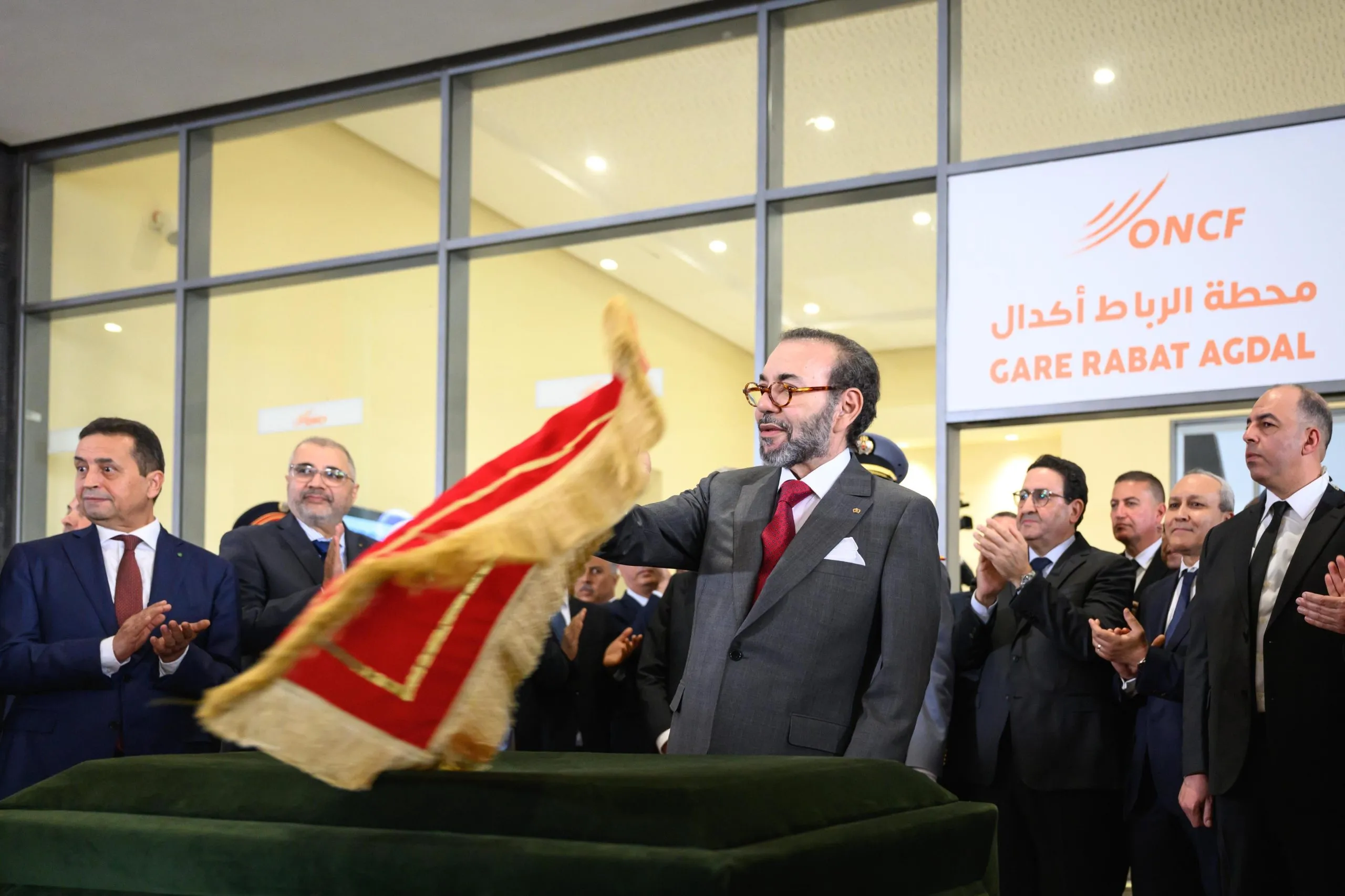
As Morocco celebrates the first anniversary of the initiation of its high-speed rail project, the Office National des Chemins de Fer (ONCF), the national railway operator, has provided an optimistic update on the progress made since its launch by King Mohammed VI. The ambitious Kenitra-Marrakech high-speed rail line, which spans a remarkable 430 kilometers, is set to revolutionize travel across the country, significantly reducing travel times and enhancing connectivity between major cities such as Tangier, Rabat, and Marrakech.
The investment of MAD 96 billion (approximately $9.6 billion) aims to transform and modernize Morocco's rail infrastructure, and ONCF reports that substantial progress has been achieved across all facets of the program. The project has seen the completion of land acquisition processes, with nearly all necessary rights-of-way now cleared. Over 20 million cubic meters of earthworks have been executed, and construction is underway for fifteen viaducts. Additionally, three covered trenches near Casablanca's airport and various road and rail bridges are currently in development, signaling a robust commitment to enhancing Morocco's rail capabilities.
Infrastructure and Future Developments
On the supply front, ONCF has secured a significant stockpile of materials essential for the project, including 2.5 million tons of ballast, 800,000 tons of sleepers, over 100,000 tons of rails, and 220 track switches. Track-laying efforts have commenced on several segments of the line, and the signaling systems are currently in the preparatory phase. With the design of the train stations finalized, construction has already begun, and ONCF anticipates that all stations will be under construction by July 2026.
The project encompasses a comprehensive infrastructure budget of MAD 53 billion ($5.3 billion) dedicated solely to the high-speed line, while an additional MAD 29 billion ($2.9 billion) is allocated for the acquisition of 168 new-generation trainsets. Furthermore, MAD 14 billion ($1.4 billion) is earmarked for the maintenance of the existing rail network, showcasing a holistic approach to the modernization of Morocco's rail system.
As ONCF mobilizes around 150 companies, two-thirds of which are Moroccan, the project continues to garner international attention. It is noteworthy that the Al Boraq, Africa's premier high-speed rail service, carried 5.6 million passengers in its seventh year of operation, marking a 3% increase and generating significant revenue. This progress underscores the viability and success of Morocco's high-speed rail ambitions, contrasting sharply with stalled projects in other countries, such as the United States.
As reported by moroccoworldnews.com.