
A Historic Expansion: African Representation at the 2026 FIFA World Cup
The upcoming 2026 FIFA Men’s World Cup is set to redefine the landscape of global football, particularly for African nations, as it marks a significant milestone with the tournament's expansion from 32 to 48 teams. This pivotal change has considerable implications for the Confederation of African Football (CAF), allowing for a historic representation of ten African teams, a remarkable increase from the five that participated in the previous tournaments of 2018 and 2022. The teams set to showcase their talents in this prestigious event, ranked according to their FIFA standings, include Morocco (8th), Senegal (14th), Algeria (28th), Egypt (29th), Côte d'Ivoire (34th), Tunisia (44th), the Democratic Republic of Congo (46th), South Africa (60th), Cape Verde (69th), and Ghana (74th). The increase in representation is not merely a number; it symbolizes a significant shift in the competitive landscape of African football, reflecting years of dedication and advocacy for greater visibility on the international stage.
Changing Dynamics: The Evolution of African Football and Its Coaches
As a sports scientist with extensive experience in examining African football's trajectory, I perceive this expansion as a meaningful legacy, one that acknowledges the continent's consistent efforts both on and off the pitch. The narrative surrounding African football has evolved dramatically since the optimistic predictions made by Brazilian legend Pelé in the 20th century, who, after visiting Africa in 1977, foresaw that an African nation would claim a World Cup title by the turn of the millennium. With tactical advancements and a growing footballing culture, this once-distant dream has transformed into a tangible possibility as we approach the 2026 tournament. The qualification process for African teams has historically been fraught with challenges, often leaving strong contenders on the sidelines due to a lack of margin for error. The increase to nine guaranteed spots for African nations, alongside Cape Verde's qualification through inter-confederation playoffs, aligns representation with the continent's competitive depth. This expansion addresses a long-standing geopolitical choke point, ensuring that the World Cup will not merely reflect a momentary glimpse of African football but rather a comprehensive exhibition of its rich diversity and talent.
The upcoming tournament will also see a shift in coaching dynamics, as African federations have begun to embrace homegrown talent. The previous trend of hiring European coaches shortly before major tournaments has been reversed, showcasing the success of local coaches who share cultural ties with their teams. This development signifies a technical 'decolonization' in football, leading to improved management and a more authentic tactical approach, which is essential for the success of African teams on the world stage. Nevertheless, challenges remain, including logistical hurdles posed by the 2026 World Cup spanning four time zones and diverse climates. The vast distances between host cities like Vancouver, Mexico City, and Miami will test the endurance and organizational capabilities of African teams, often criticized for inefficiencies in administration.
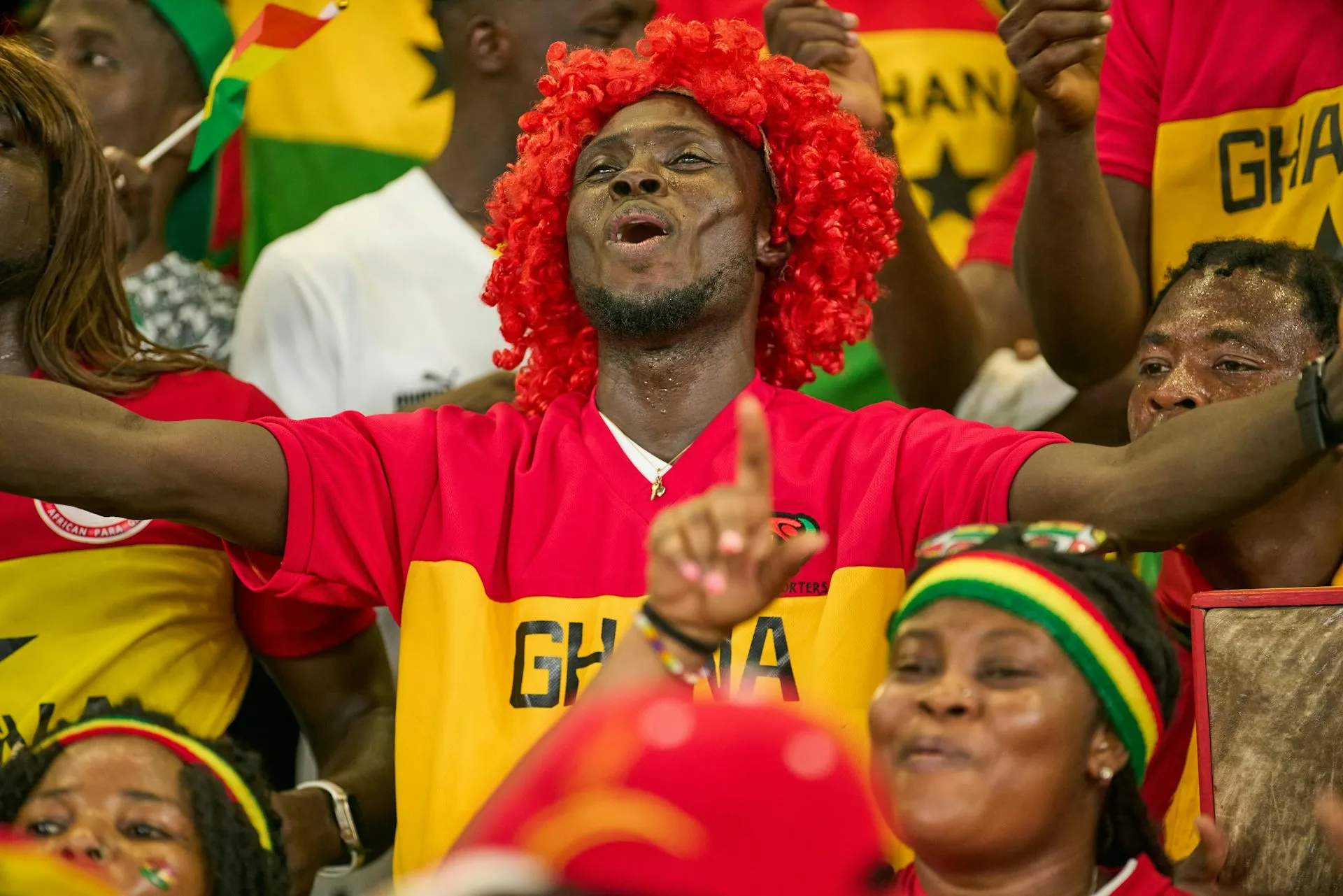
However, there is a silver lining in the form of the African diaspora in North America. Cities such as New York, Toronto, Houston, and Atlanta are home to vibrant African communities that can provide substantial support to the teams during the tournament. Despite potential travel barriers, the local diaspora could transform stadiums into lively centers of African football culture, further enhancing the experience for players and fans alike. The success of the African representatives will hinge on their performance in the opening rounds, with high-stakes matches against formidable opponents. While teams like South Africa and Senegal face daunting challenges, the expanded format offers multiple pathways to progress, providing a glimmer of hope for both seasoned contenders and debutants like Cape Verde. If these teams can maintain the tactical discipline demonstrated during qualification, the 2026 World Cup could signify Africa's emergence as a formidable player on the global football stage, ready to redefine expectations and disrupt the traditional order of the sport.
As reported by theconversation.com.


