
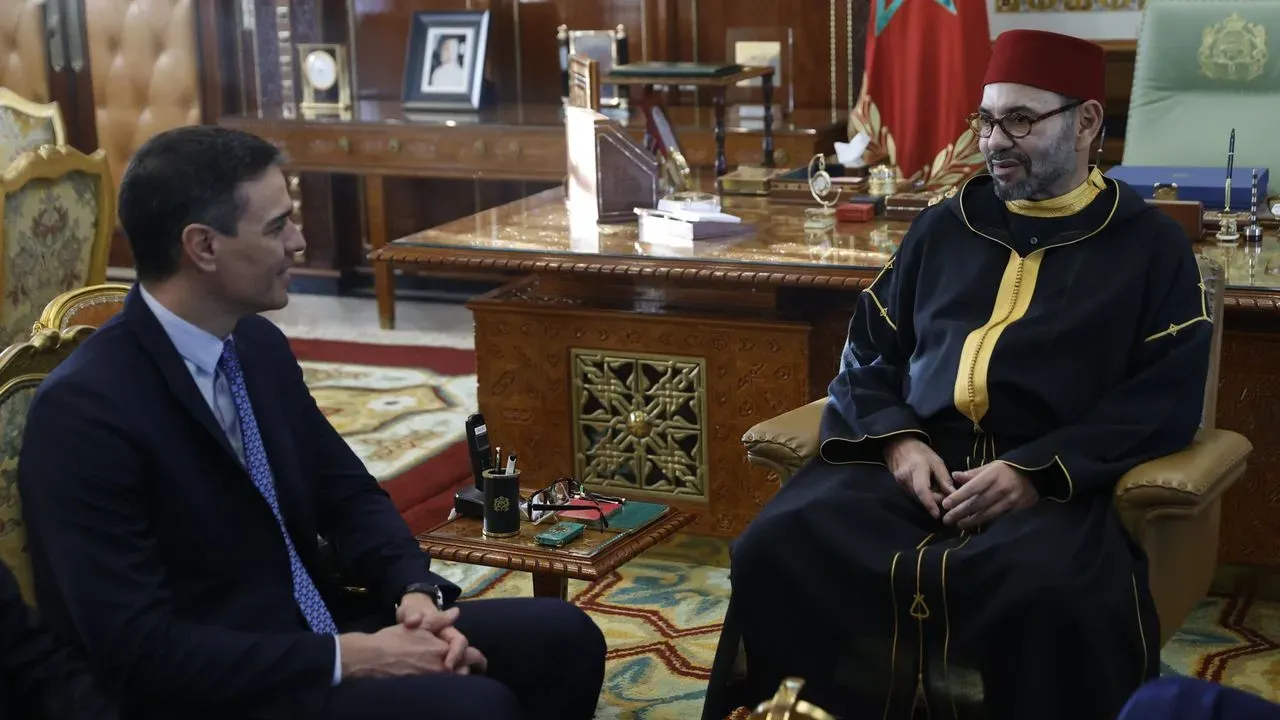

Understanding Sánchez's Stance on Morocco
The recent political landscape in Spain has raised eyebrows regarding Prime Minister Pedro Sánchez's apparent exoneration of the Moroccan government led by King Mohamed VI. This seemingly controversial position can largely be attributed to the complex web of geopolitical relationships and internal political necessities that Sánchez must navigate. It is essential to recognize that his inclination towards absolving Rabat may stem from a combination of pragmatic politics and a desire to maintain stability in Spain's foreign relations, particularly given the sensitive issue surrounding immigration and territorial sovereignty that often intertwines with Morocco's actions.
Geopolitical Necessities and Political Survival
At the heart of Sánchez's exculpation of Rabat lies the necessity of fostering a cooperative relationship with Morocco, which is pivotal for Spain’s national interests, especially concerning migration control and regional security. The Prime Minister's public defense of Morocco is, in many ways, a calculated move designed to reinforce diplomatic ties and facilitate a collaborative approach to shared challenges. By portraying Moroccan actions in a favorable light, Sánchez seeks not only to pacify potential domestic backlash but also to assure the international community of Spain's commitment to maintaining a stable and constructive dialogue with its North African neighbor. This political maneuvering reveals Sánchez's awareness that maintaining the status quo with Morocco is crucial for his administration's longevity and effectiveness in addressing ongoing issues within his own country.
As reported by lavozdegalicia.es.

