
The Crucial Harvest Season for Morocco's Rice Farmers
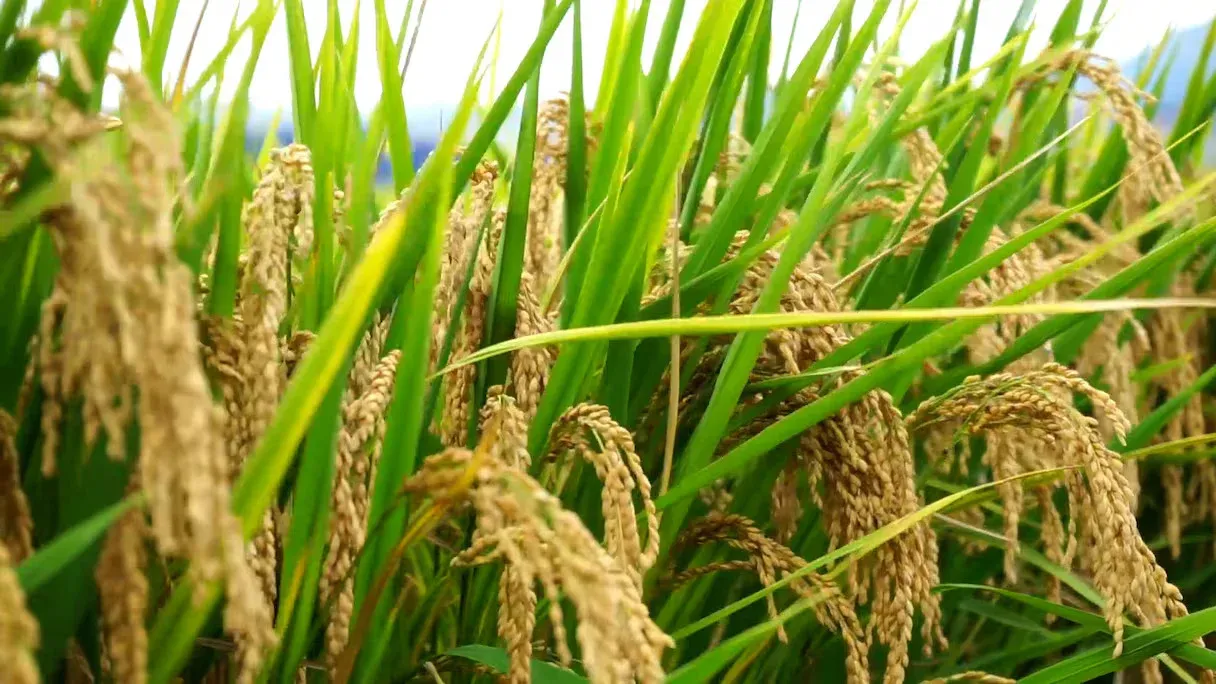
In the Gharb region of Morocco, where over 90% of the country's rice is cultivated, the impending harvest season is set to be critical for approximately 24,000 households that rely on rice farming for their livelihoods. A recent complaint lodged by the Moroccan Rice Interprofessional Federation (FNARIZ) highlighted a worrying trend: a substantial increase in rice imports that threatens to destabilize local producers. This concern has spurred action from the National Federation of the Agricultural Sector (FNSA), which is advocating for urgent government intervention. As farmers await a resolution, the situation remains precarious and uncertain.
Impact of Climate Challenges and Import Policies
In April, the Ministry of Industry and Trade initiated a safeguard investigation due to a staggering 116% surge in rice imports expected between 2022 and 2025, coinciding with a historically severe drought. Speaking with Yabiladi, Driss Adda, the FNSA's deputy secretary-general, indicated that the challenges posed by climate change have severely impacted rice farmers. Although there was hope for economic recovery based on the previous season's yield, which was anticipated to reach around 90,000 tonnes, the reality was starkly different. Farmers faced record imports exceeding 50,000 tonnes, which complicated their financial stability.
Driss Adda further explained that the local rice production not only supports farmers but also fuels a broader chain of economic activities related to processing, essential for both the families of producers and factory workers, as well as for national food security. He pointed out that rice is a water-intensive crop, which has led to significant challenges in recent years due to the suspension of irrigation as part of efforts to conserve water. The floods from last winter left producers starting their season in a deficit, yet there was still hope for recovery, which was ultimately thwarted by the influx of imported rice.
Moreover, the ongoing suspension of customs duties on rice imports is viewed as a critical error by Driss Adda, who argues that timely revisions of customs measures based on the national agricultural situation could have mitigated the influx of imports and provided much-needed support to local farmers. Instead, the current landscape has favored speculators who have taken advantage of the situation, flooding the market and creating stiff competition for local rice producers.
As the new harvest season draws near, typically beginning between September and October, the FNSA is intensifying its calls for the Ministry of Economy and Finance to conduct a thorough review of customs duties. They demand fair recognition of farmers’ efforts and equitable protection for domestic production. The FNSA has also proposed robust legal and commercial mechanisms to prevent dumping and protect the local market from speculation. In a bid to gain attention for their plight, the FNSA organized sit-ins outside the Ministry of Economy and Finance and Parliament, urging the government to engage in meaningful dialogue to support the national rice sector. Driss Adda expressed hope that the commitments made by authorities would be honored, emphasizing the urgency of the situation as the new harvest approaches.
As reported by en.yabiladi.com.