
Recent Changes in Gas Deliveries to Morocco
In recent days, there has been a noticeable decline in gas deliveries to Morocco through Spain, a situation that has raised eyebrows among media outlets and commentators alike. However, it is important to clarify that this decrease is not related to the ongoing migration crisis in Ceuta, as some have speculated. Instead, the reduction in gas supplies is primarily attributed to the conclusion of the summer peak season, which has led to a significant decrease in electricity demand across the nation. According to well-informed sources, the electricity demand in Morocco dropped from a peak of approximately 8,400 megawatts (MW) in early July, driven by high temperatures and increased tourist activity, to around 7,400 MW by August 24. This figure reflects a decrease of nearly 1,000 MW compared to the peak summer consumption. The decline in demand began to manifest last week during the public holidays on August 20 and 21, where the electricity demand fell to about 7,600 MW. The subsequent improvement in weather conditions and the gradual exit from the peak summer season further exacerbated this reduction.
The Mechanism Behind Gas Supply Adjustments
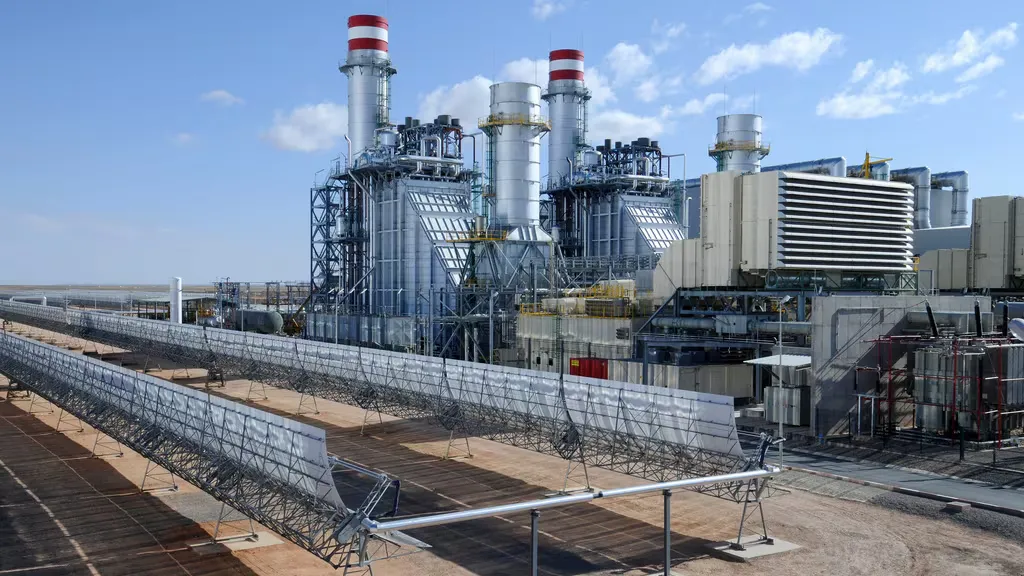
The diminishing volume of imported gas is directly linked to the operational status of gas-powered electricity plants in Morocco. As of now, there have been no reported restrictions from the Spanish side regarding gas deliveries. Morocco sources its gas from the international market, particularly from the United States and Peru, before it is transported to Spain for regasification. Once regasified, the gas is injected into the Moroccan network through the Maghreb-Europe gas pipeline, serving various combined cycle power plants, notably those located in Tahaddart, near Tangier, and Aïn Beni Mathar, near Jerada.
On average, gas accounts for about 9% of Morocco's national electricity mix. Consequently, the volumes of gas imported fluctuate based on the operational requirements of the power plants and, by extension, the overall electricity demand. At the end of July, both gas-fired plants were operating at full capacity to meet the peak electricity consumption. However, as demand decreased, the utilization of these plants naturally declined, leading to a corresponding drop in gas needs. This situation is also influenced by maintenance schedules for gas plants and the economic hierarchy of different energy sources utilized for electricity generation. Notably, gas is not the cheapest source of energy; thus, the National Office of Electricity and Drinking Water (ONEE) prioritizes renewable energy and coal before resorting to gas and fuel oil when necessary.
It is crucial to note that the recent decrease in gas supply does not indicate a shift in Spain's energy policy towards Morocco. Rather, it represents an adjustment in consumption patterns and electricity distribution undertaken by ONEE to align with current needs and production costs. This clarification comes in light of various media reports linking the reduction in gas supplies to the migration crisis in Ceuta, suggesting an alleged use of energy as a leverage against Morocco. This speculation was fueled by a broadcast on August 18 during the RTVE program "Mañaneros 360," which hinted at a potential emergency plan by Madrid to use gas supply as a bargaining tool in case of further migration crises. However, the Spanish government has swiftly denied such allegations, categorically rejecting the existence of any plans or studies aimed at preparing economic reprisals against Morocco.
As reported by fr.le360.ma.