Shaping the Future of Writing in the Digital Era
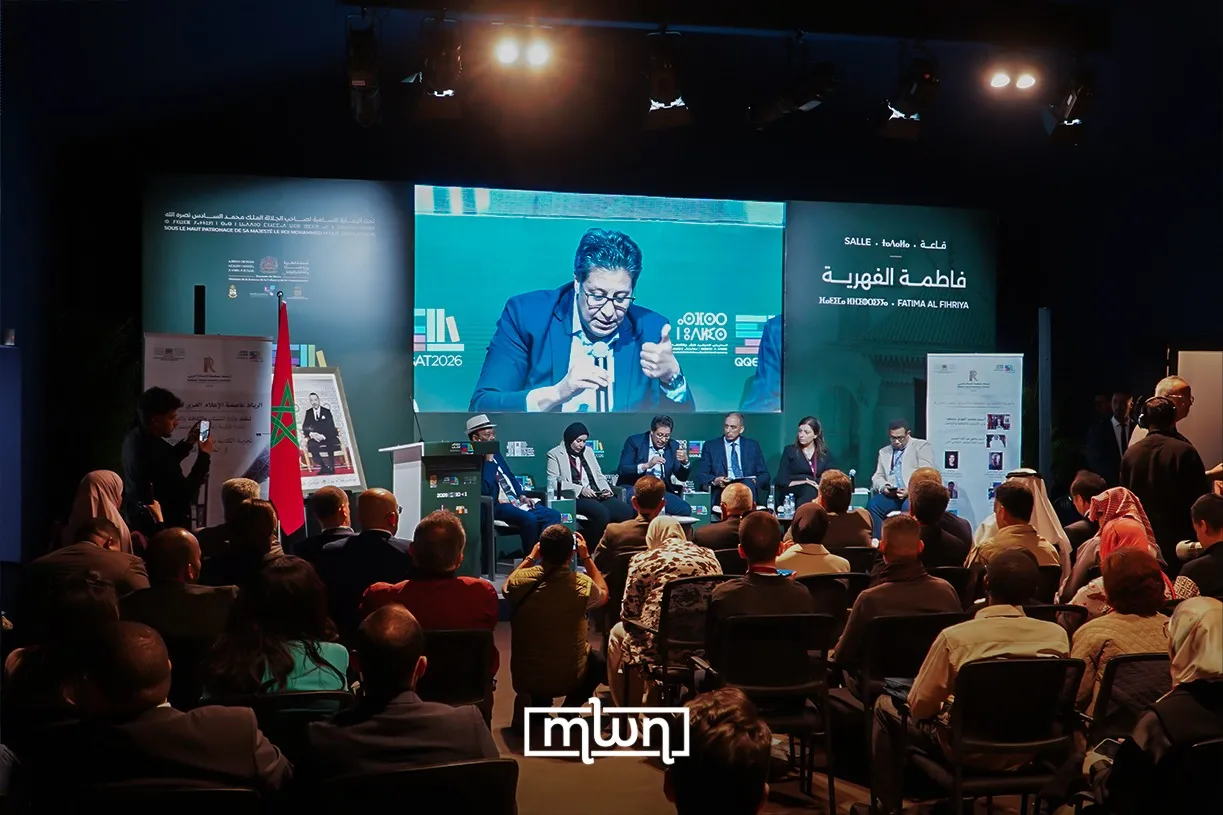
The recent International Publishing and Book Fair (SIEL) held in Rabat has become a significant platform for discussing the evolving nature of writing in the digital age. On May 4, 2026, a high-profile panel convened to explore the intricate relationship between journalism and literature, particularly in the context of rapid technological advancements that are reshaping how stories are told and consumed. This year's event was particularly noteworthy as it coincided with Rabat's recognition as the Arab Media Capital for 2026, highlighting the city’s cultural and civilizational significance.
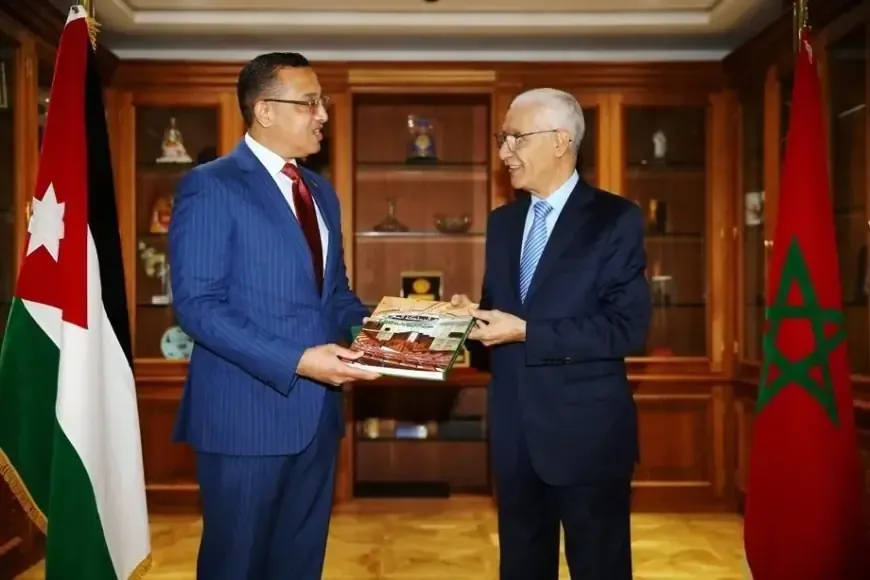
The Fatima Mernissi Hall hosted a rich dialogue focusing on the theme "The Experience of Writing Between Journalism and Literature in the Digital Age." Esteemed professionals from diverse fields, including journalism, literature, and academia, gathered to exchange insights on the increasingly blurred lines separating factual reporting from creative expression. The session opened with remarks from the Secretary General on behalf of the Minister of Youth, Culture, and Communication, Mohamed Mehdi Bensaid, who emphasized Rabat's recent accolades, including its designation as a World Book Capital. He noted that these honors reflect the city’s deep historical roots and its ongoing role as a pivotal hub for Arab and Moroccan media and culture.
Navigating Challenges and Embracing Opportunities
During the discussion, participants addressed the pressing challenges faced by both journalism and literature in today’s fast-paced digital landscape. One of the primary concerns raised was the tendency towards prioritizing speed over accuracy, which has led to the proliferation of misinformation and a growing distrust in media sources. In contrast, literary writing grapples with the challenge of maintaining depth and artistic integrity in an era dominated by rapid content consumption.
The panel featured prominent figures such as journalists Talha Jebril and Yassine Adnan, along with writer and editor Sayed Mahmoud from the Al-Ahram Foundation, novelist Hiba Saleh, and Rasha Allam, who leads the Journalism and Media Department at the American University in Cairo. Moderated by Abdelwahab Rafiqi, the discussion highlighted how digital platforms have significantly transformed narrative structures, accelerated news cycles, and challenged traditional definitions of journalism and literature.
Rasha Allam pointed out that while journalism has adapted more swiftly to technological changes, literary writing has been comparatively slow to respond, primarily due to its inherent need for depth and reflection. She elaborated on how digital accessibility has broadened the literary landscape, enabling authors to reach larger audiences through various formats, including audio storytelling. This shift, however, also raises concerns about editorial quality and the depth of literary work.
As the SIEL continues to attract both regional and international attendees until May 10, discussions like these underscore the urgent need to rethink writing practices and the role of media in an age defined by constant technological evolution. The Rabat Book Fair serves as a beacon for fostering cultural dialogue and addressing contemporary challenges, reinforcing the city’s ambition to be a central player in the Arab media landscape.
As reported by moroccoworldnews.com.