A New Era for Global Football: The Grand Stadium Hassan II
The excitement surrounding the 2026 FIFA World Cup may have settled, but the anticipation for the 2030 tournament is already building, particularly with the remarkable plans for the Grand Stadium Hassan II in Morocco. Following Spain's thrilling victory over Argentina, which saw them clinch their second World Cup title on July 19, 2026, the spotlight now shifts to the upcoming competition, co-hosted by Spain and Morocco. This edition promises to be historic as it marks the first occasion that the reigning champions will defend their title on home soil.
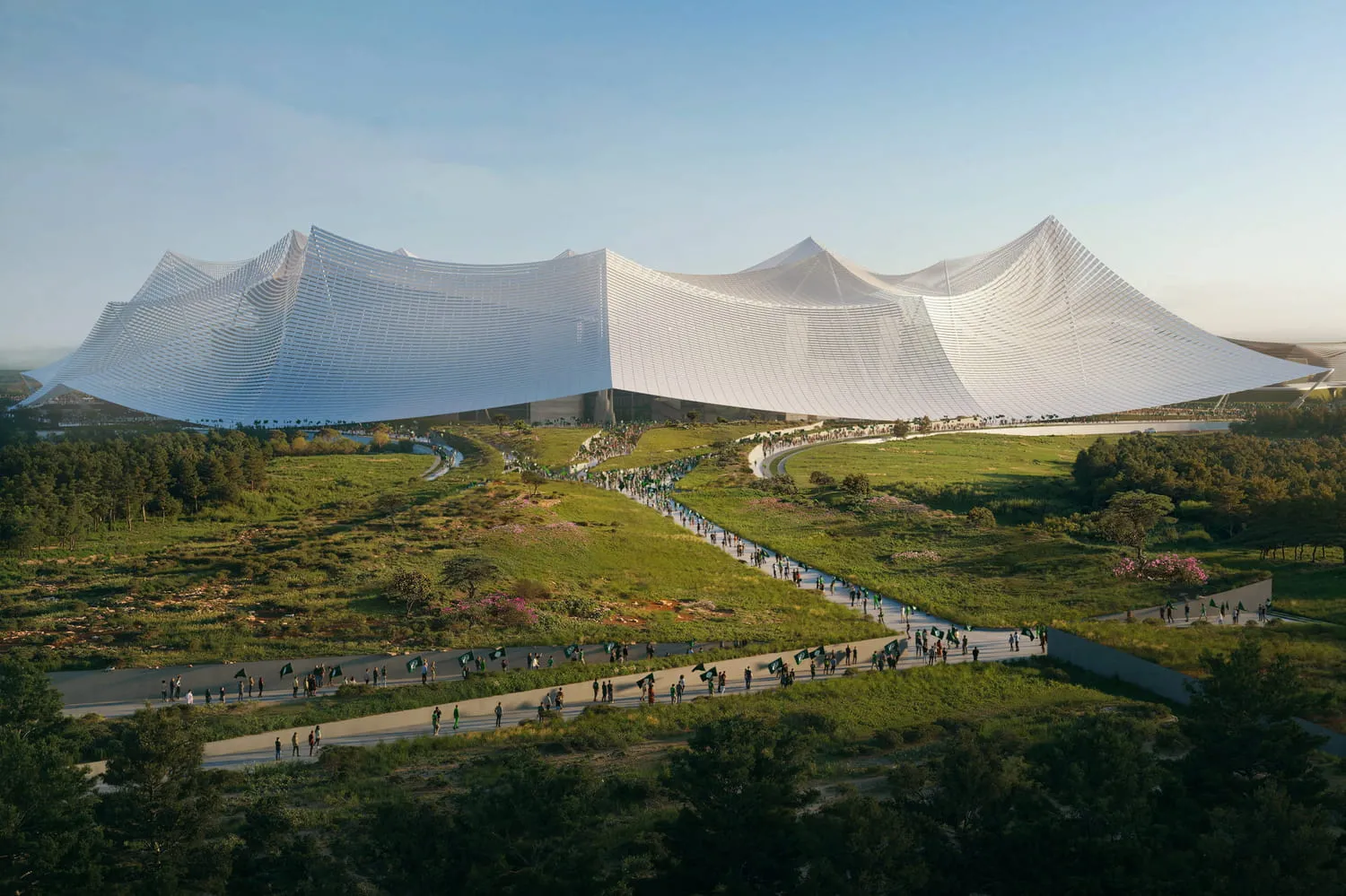
As we look ahead to 2030, the world will be captivated by a spectacular new stadium that is projected to rise from the ground by 2028, just two years before the tournament kicks off. The initiative, launched by Morocco in August 2024, involves the ambitious construction of the Grand Stadium Hassan II, located near Casablanca. This colossal venue is designed to accommodate 115,000 seated spectators, making it the largest stadium in the world upon completion. Beyond setting records, this project serves as Morocco's premier strategy to secure the rights to host the World Cup final, although the Santiago Bernabéu Stadium in Madrid also aspires to this honor and currently appears to have an edge in the race.
Design and Features of the Grand Stadium Hassan II
The architectural vision for the stadium has been entrusted to the renowned firms Oualalou + Choi and Populous, with a design that artfully blends modernity with local cultural identity. Inspired by the traditional Moroccan tent, known as the moussem—which symbolizes social gatherings and festivities—the stadium's design features a grand aluminum roof that appears to float above the structure, extending over entrances and outdoor areas.
Situated in El Mansouria, approximately 38 kilometers north of Casablanca, the complex spans over 100 hectares and comes with an estimated budget of 500 million euros. French architect François Clément from Populous has emphasized the integration of botanical gardens and green spaces surrounding the stadium, which will serve as more than just a match venue. On non-match days, the facility will operate as a vibrant activity center, complete with a luxury hotel, shopping centers, an indoor swimming pool, and dedicated areas for international media.
However, the Grand Stadium Hassan II may not hold its title of the largest stadium in the world for long after its inauguration for the World Cup. In Hanoi, Vietnam is currently working on the Trong Dong Stadium, which is set to feature 135,000 seats as part of the future Olympic Sports City. This project, approved in December, is expected to be completed by August 2028, potentially dethroning the Moroccan stadium if it comes to fruition. Currently, the largest stadium in the world is the Rungrado 1st of May Stadium in North Korea, with a capacity of 114,000, followed by the Melbourne Cricket Ground with 100,024 seats, and Barcelona's Camp Nou, which can hold 99,354 spectators.
As reported by linternaute.com.