
The Cultural Significance of Women's Gatherings in Morocco
The celebration of the Prophet Muhammad's birthday, known as Mawlid, holds immense cultural and spiritual significance in Morocco, particularly through the lens of women's gatherings, or "hadrat al-nisa." These events serve not only as a means of honoring the life and teachings of the Prophet but also as a vibrant expression of Sufi traditions that women in Morocco have preserved and cherished through generations.
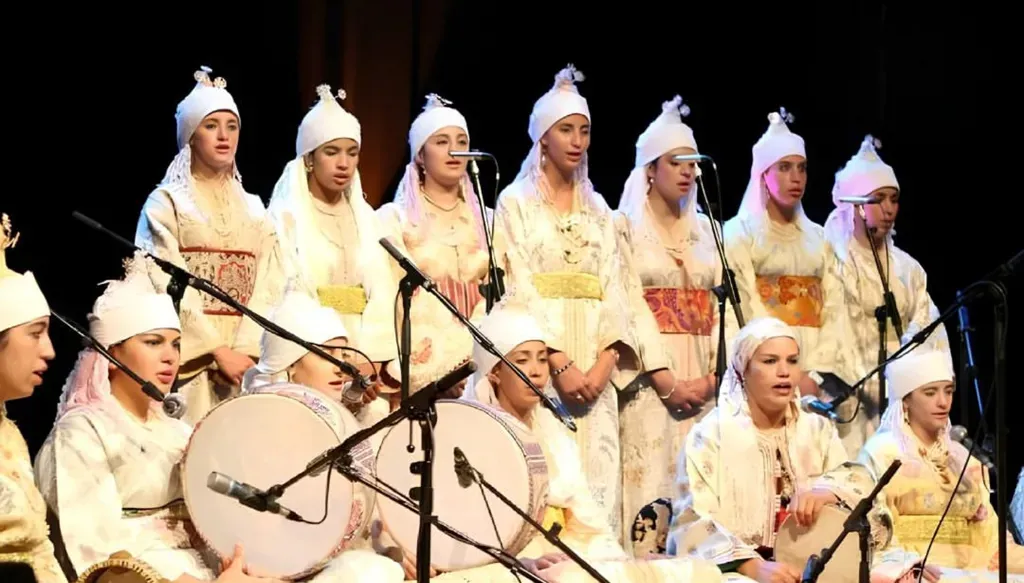
During these gatherings, women come together in homes or community spaces to engage in spiritual practices that include chanting, singing, and reciting poetry dedicated to the Prophet. This collective experience fosters a sense of community and continuity, allowing women to connect with each other and their heritage. The atmosphere is often filled with warmth and joy, showcasing the unique ways in which Moroccan women express their spirituality and devotion.
A Celebration of Faith and Identity
The hadrat al-nisa not only commemorates the Prophet's birthday but also reinforces the identity of women within Moroccan society. It provides a platform for women to assert their roles as caretakers of cultural and spiritual legacies. In these gatherings, the narratives surrounding the Prophet’s life are recounted, highlighting values such as compassion, patience, and community service, which resonate deeply with the participants.
Moreover, these events often incorporate traditional Moroccan music and dance, creating a festive atmosphere that blends spirituality with cultural expression. The vibrant colors of traditional attire and the aroma of Moroccan cuisine further enhance the sensory experience, making the gatherings not only spiritually enriching but also a celebration of Moroccan cultural heritage.
In conclusion, the women's gatherings during Mawlid in Morocco exemplify a profound connection between spirituality, culture, and community. These events are a testament to the enduring legacy of Sufism among Moroccan women, as they continue to uphold and transmit these cherished traditions. Through their collective efforts, Moroccan women ensure that the memory of the Prophet and their cultural identity remain vibrant and alive.
As reported by annahar.com.