
The Shifting Dynamics of Sovereignty in Ceuta and Melilla
Aziz Daouda, a prominent commentator on Moroccan affairs, expresses a compelling perspective regarding Morocco's path towards complete independence, particularly in relation to the contentious status of Ceuta and Melilla. These two cities, historically recognized as Spain’s first colonies outside Europe, were originally occupied to safeguard maritime routes from piracy. While Spain legally classifies them as Spanish enclaves, Daouda argues that they are, in essence, disputed Moroccan territories. His insights, shared during an episode of the "Hespress Discussion" program, reveal a complex historical context that continues to influence modern geopolitical relations.
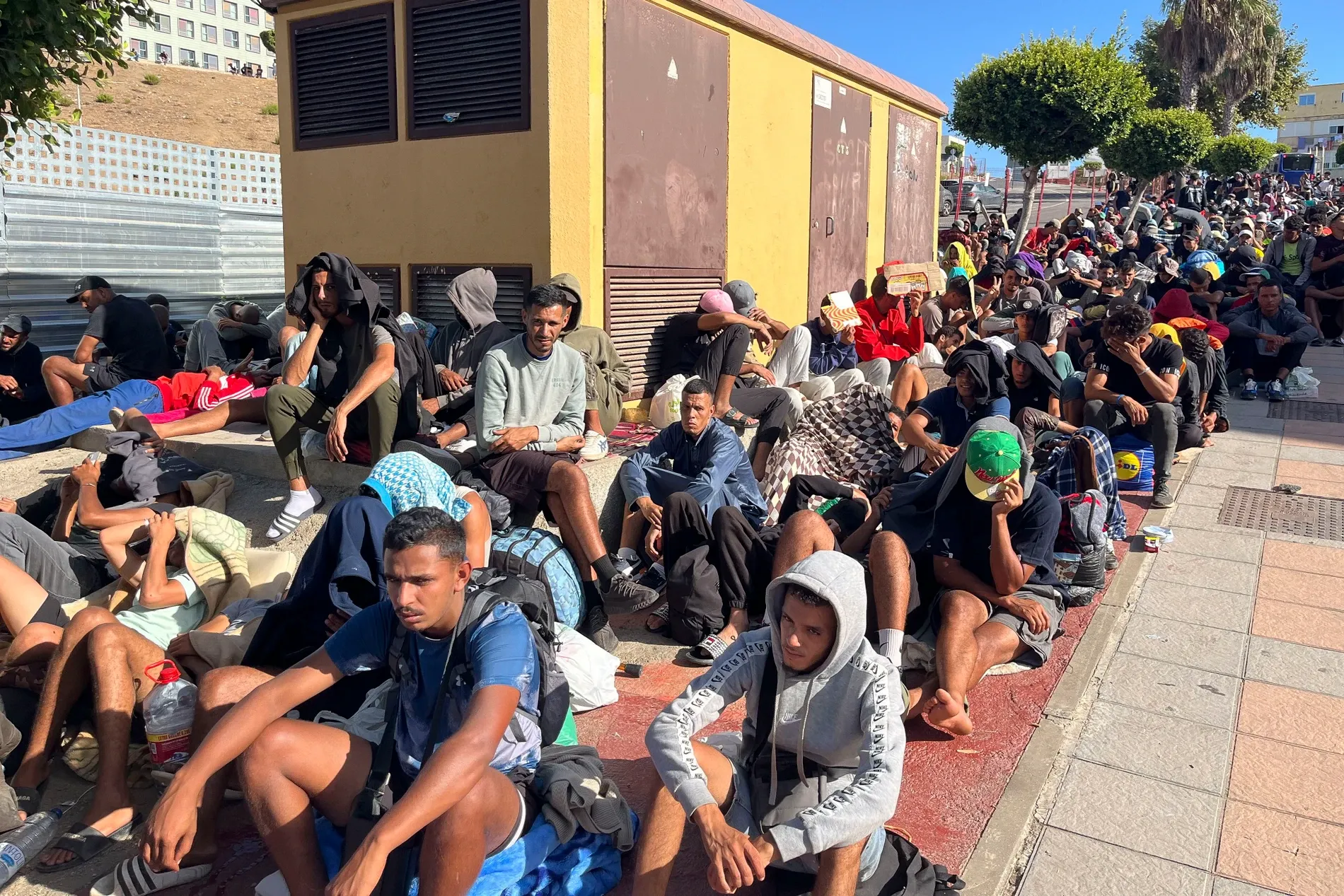
In light of recent mass migration events, Daouda emphasizes that such phenomena are not mere coincidences; rather, they are exacerbated by external digital platforms and algorithms originating from Algeria, particularly through social media channels like WhatsApp. He likens the spread of misinformation to oil seeping into water, which not only misguides the youth but also pushes them towards uncertain futures.
Challenges and Opportunities for Moroccan Youth
Daouda also addresses the societal despair among Moroccan youth, distinguishing it from mere economic hardship. He posits that feelings of hopelessness can stem from political and social factors, arguing that individuals can experience frustration despite financial stability if they perceive a lack of political representation or face societal pressures. He critiques the statistical methods used to measure unemployment, suggesting they are foreign imports that fail to capture the reality of Moroccan culture, which often includes informal and diverse employment practices.
Highlighting a paradox within the labor market, he notes a significant shortage of workers in crucial sectors such as agriculture and construction, which is increasingly being filled by migrants from sub-Saharan Africa. This trend occurs as many Moroccan youths eschew these manual jobs, a decision rooted in a cultural shift that devalues traditional craftsmanship. The legal confusion surrounding child labor versus vocational training has further marginalized opportunities for the younger generation to gain essential skills through apprenticeship programs.
Despite these challenges, Daouda points to positive indicators in Morocco’s development, such as an increase in life expectancy to 77 years, attributed to improvements in nutrition and healthcare. He argues that the growing trend of Moroccans taking loans for home and vehicle purchases reflects their purchasing power and financial solvency, rather than a negative economic sign. However, he cautions against persistent bureaucratic and tax hurdles that burden small enterprises and stifle investment.
Concluding his analysis, Daouda reflects on the ongoing narrative crisis in Morocco, where a lack of positive discourse around successful and ethical political role models prevails. This narrative often paints all politicians as corrupt, which undermines public trust in institutions. He advocates for showcasing competent national figures to encourage civic engagement and restore faith in governmental systems.
Returning to the subject of the occupied cities, Daouda asserts that recent events have illuminated the colonial nature of Spanish presence in Ceuta and Melilla. He believes that the balance of power is shifting in favor of Morocco, particularly following the closure of smuggling routes that had sustained these enclaves. He calls on Spain to confront historical truths and revise its educational narratives, which still adhere to a colonial perspective that overlooks centuries of shared cultural heritage.
As reported by hespress.com.