Geopolitical Tensions in the Sahel Region
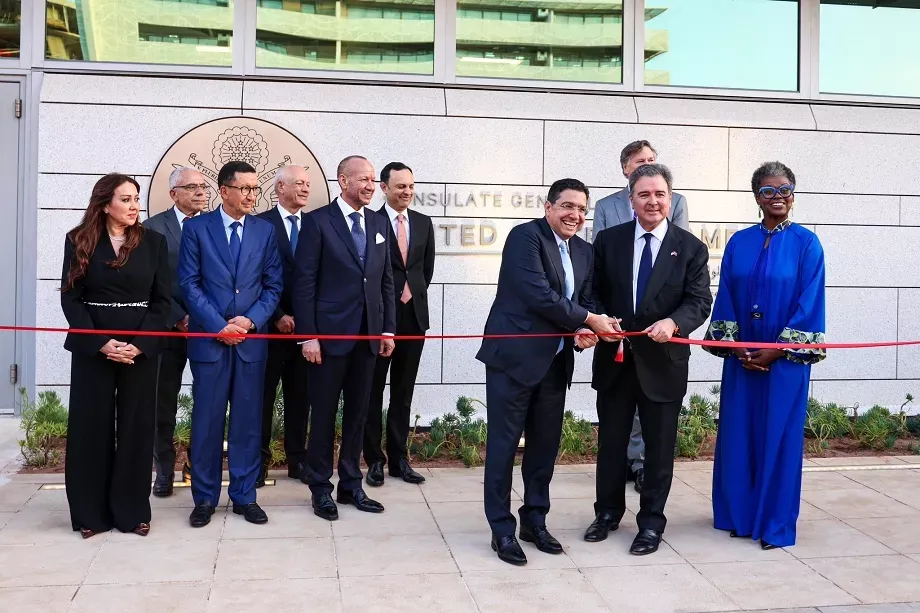
The recent geopolitical landscape in the Sahel has been profoundly influenced by the dynamics between Morocco and Algeria, particularly as Mali grapples with escalating security challenges. In a critical announcement made on April 29, 2026, during a meeting at Morocco's Ministry of Foreign Affairs in Rabat, Foreign Minister Nasser Bourita emphasized the geographical and political reality that Mali's stability is "fundamental" to regional balance. Accompanied by U.S. Deputy Secretary of State Christopher Landau, Bourita expressed concerns regarding the evident "clear collusion between separatism and terrorism," highlighting the strategic tensions that have emerged in the Sahel region. These tensions are characterized by security threats that seek to undermine sovereign decisions made by states in the area.
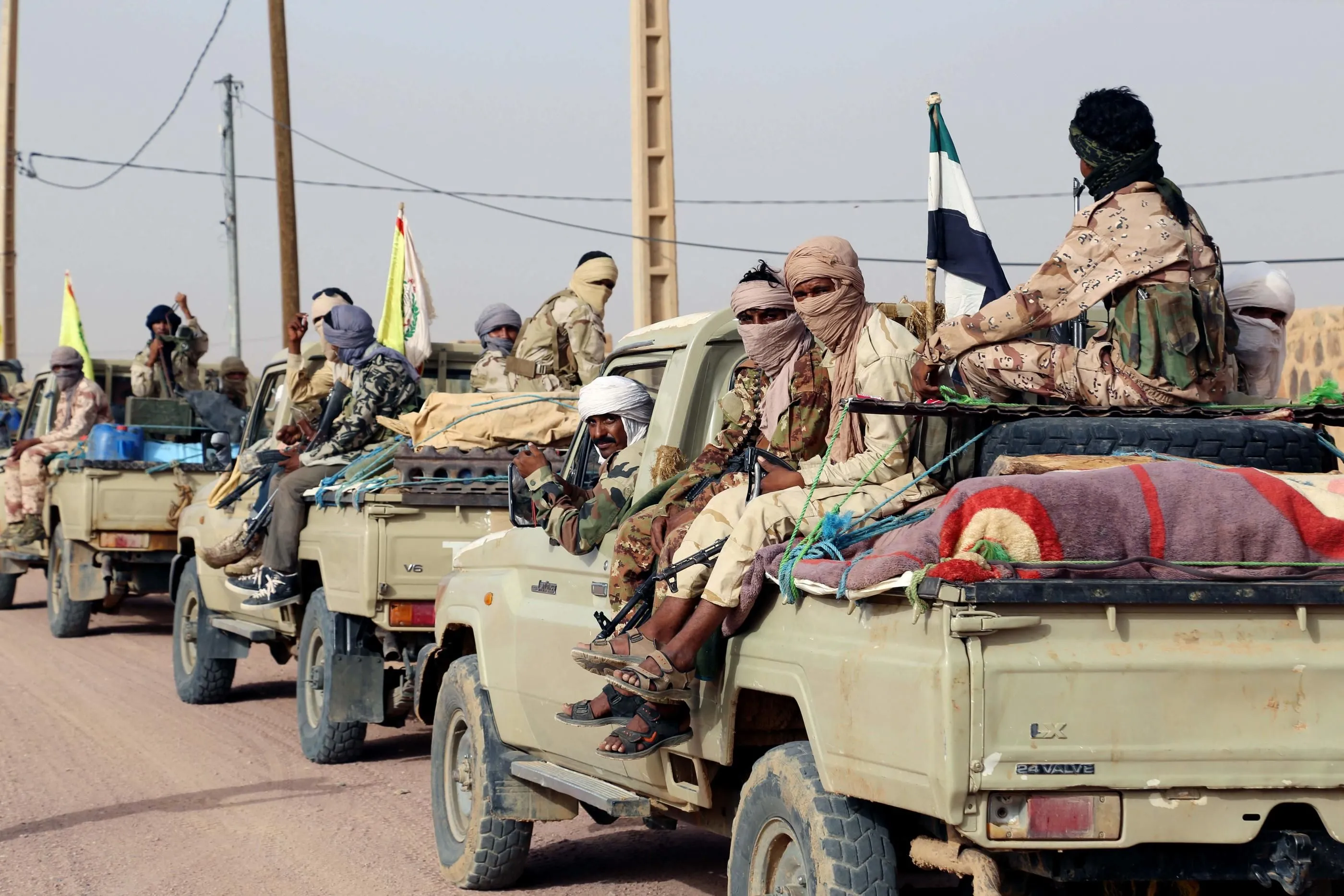
Mali's recent diplomatic boldness has not come without consequences. On April 10, 2026, the Malian government made a historic decision to withdraw its recognition of the self-proclaimed Sahrawi Arab Democratic Republic (SADR), instead endorsing Morocco's autonomy plan for Western Sahara. This shift marked a significant departure from decades of Algerian influence over Malian foreign policy. However, just two weeks later, on April 25, Mali faced an unprecedented coordinated offensive that struck major cities such as Bamako, Kati, Gao, and Kidal. Experts are questioning the timing and coordination of the attacks, which involved groups like the Azawad Liberation Front (FLA) and the Group for the Support of Islam and Muslims (GSIM), suggesting it may be a retaliatory measure from Algeria aimed at punishing Mali for its diplomatic independence.
Algeria's Response and Morocco's Vision
The human and strategic costs of these attacks have been staggering, resulting in the tragic loss of Mali's Defense Minister, General Sadio Camara, who was a key figure within the Malian government. Following the assault, the FLA captured Kidal, leading to the withdrawal of Russian paramilitary forces operating in the region. Despite these setbacks, Russian officials, including Kremlin spokesperson Dmitri Peskov, have reiterated their commitment to combating extremism in Mali. Nonetheless, the effectiveness of this support is increasingly being questioned as local rebels demand the complete withdrawal of Russian forces from Malian territory.
Meanwhile, Algeria, which once facilitated peace through the "Algiers Agreements," appears to have shifted from a mediator role to one of ambiguity, potentially capitalizing on the instability at the border as leverage to compel Mali to return to its sphere of influence. This strategy of tension starkly contrasts with Morocco's proactive approach focused on development. The Royal Initiative for the Atlantic aims to enhance connectivity for Sahel countries, thereby promoting stability through economic growth rather than interference. Minister Bourita has made it clear that Morocco favors relations rooted in "cooperation rather than coercion," offering infrastructure development and mutual respect for territorial integrity in a region fraught with geopolitical strife.
As reported by maroc-hebdo.com.