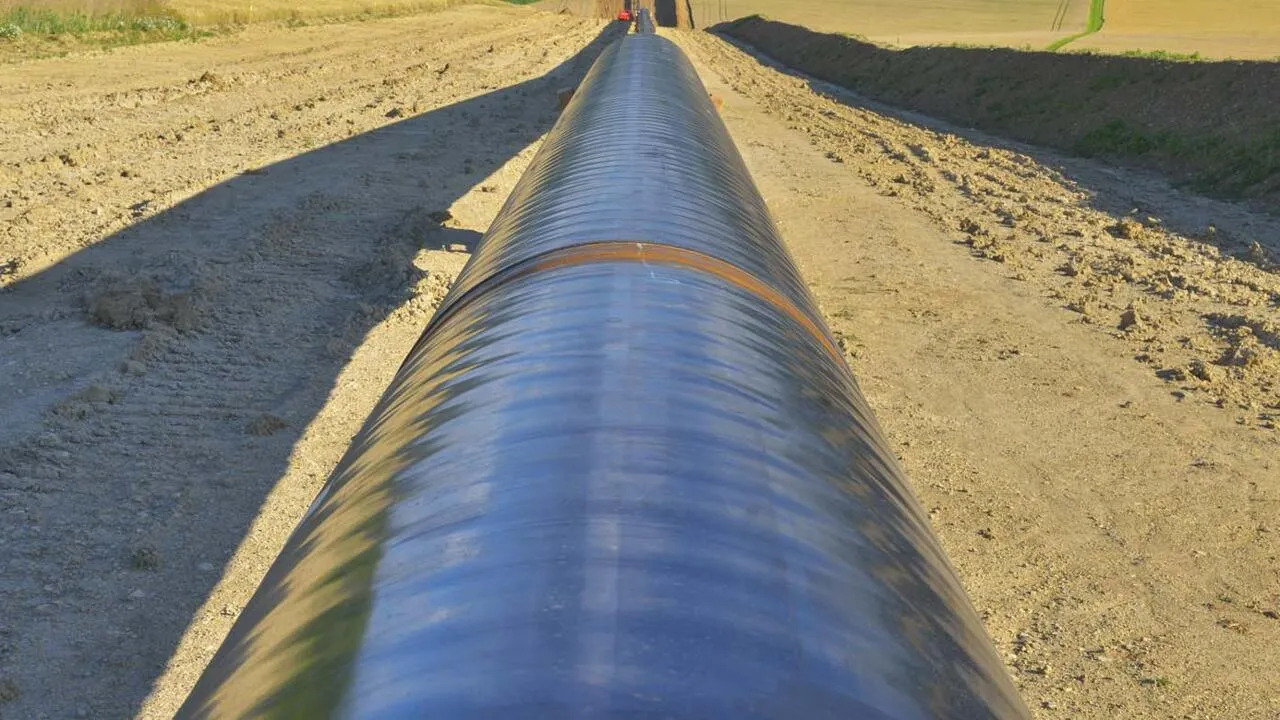
The Economic Community of West African States (ECOWAS) has expressed its unwavering support for the Nigeria-Morocco gas pipeline, an ambitious project stretching over 7,000 kilometers that was initiated nearly a decade ago. This significant infrastructure endeavor aims to supply natural gas to 13 West African countries, with plans to eventually distribute energy to Morocco and the European market. Set to commence operations by 2031, the project faces a formidable challenge: securing the $25 billion required for its construction.
A primary goal of the gas pipeline is to enhance energy accessibility across West Africa. Approximately half of the transported volumes, translating to around 15 billion cubic meters of gas annually, will cater to the 13 nations along the route. The remaining supply is earmarked for Morocco and will subsequently be exported to Europe.
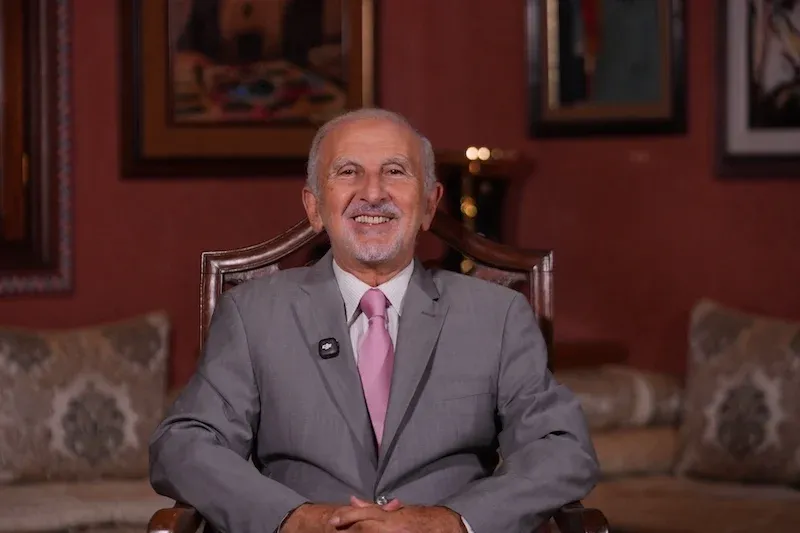
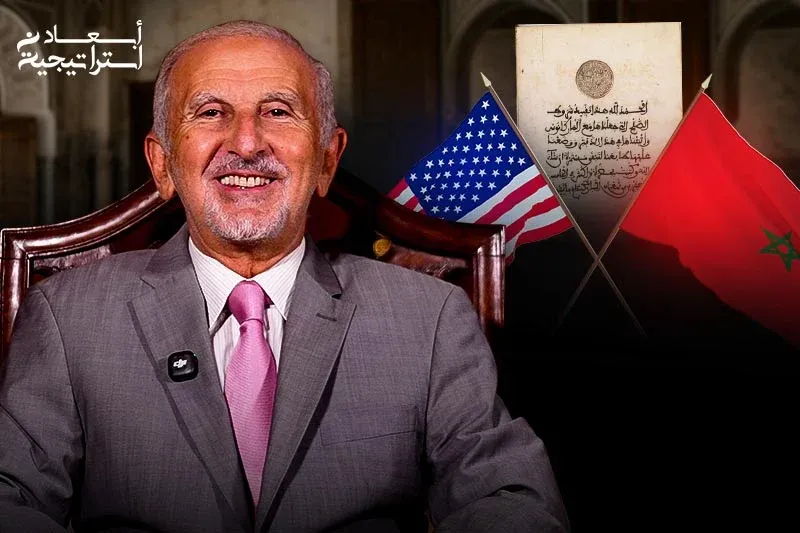
According to Amina Benkhadra, the General Director of Morocco's National Office of Hydrocarbons and Mining (ONHYM), this dual purpose is central to the project’s mission. She elaborates, “The pipeline will traverse 13 countries along the African coastline, from Nigeria to Morocco, and will be connected to Europe through the Maghreb-Europe Gas Pipeline, which is already operational today.” This strategic connection not only facilitates energy distribution but also strengthens Morocco's position in the regional energy market.
Infrastructure Designed for African Needs
Beyond the prospect of exportation, the promoters of the gas pipeline envision it as a catalyst for economic development within the region. The objective is to provide a stable energy supply to both households and industrial sectors, particularly energy-intensive industries such as mining. Amina Benkhadra emphasizes the necessity of reliable energy resources, stating, “Many countries along the pipeline route require sustainable energy to ensure their economic and social development. Numerous energy-intensive industries, such as mining, depend on stable and sustainable energy sources like gas. Therefore, this project primarily aims to make energy available to drive growth and development in these countries.”
The backing of the 13 affected states is also motivated by their economic interests. Future gas producers like Senegal and Mauritania could leverage this infrastructure to export portions of their output. Francis Perrin, a research director at IRIS in Paris and an associate researcher at the Policy Center for the New South in Rabat, highlights the political agreement reached by ECOWAS as a significant milestone, though he cautions that it does not guarantee the project's success. He notes, “When the idea of this project was first proposed by Morocco and Nigeria, its principal promoters, in 2016, it seemed like a beautiful dream. While ECOWAS's decision is important, it doesn't mean success is assured. However, the project has made progress. Each country along the route has a vested interest in its success, which serves as a foundation for moving forward.”
The Financial Challenge Ahead
The key obstacle now lies in financing. Constructing nearly 7,000 kilometers of gas pipeline represents an investment estimated at $25 billion. According to Francis Perrin, financing will require collaboration between international institutions, development banks, export credit agencies, and private investors. The economic viability of the project will ultimately hinge on the existence of a market capable of absorbing the transported gas.
Perrin elaborates, “International financial institutions, such as the World Bank, have already been contacted by Morocco and Nigeria, along with development banks like the African Development Bank and European banks. Export credit agencies are also involved, with initial contacts having been made with the U.S. Export-Import Bank. Finally, private financiers are essential; it is this synergy between market and financing that is crucial. There can be no financing without a market, and no market without financing.”
At its inception, the project even attracted interest from the Russian giant Gazprom before the geopolitical landscape shifted due to the war in Ukraine. The Nigerian and Moroccan operators are now targeting the commencement of construction within the next two years, with the first deliveries of gas anticipated to roll out by 2031.
As reported by rfi.fr.