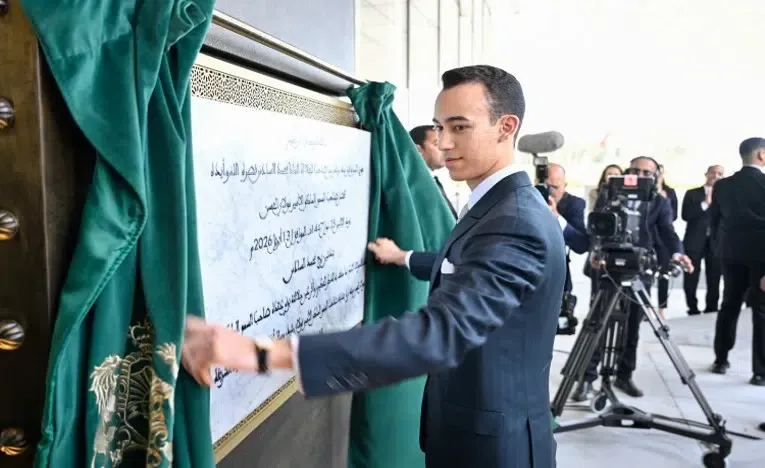
Morocco's Strategic Positioning of Crown Prince Moulay El Hassan
As Crown Prince Moulay El Hassan celebrates his 23rd birthday, Morocco is not merely observing a dynastic ritual but is also focusing on the gradual institutional positioning of the monarchy's next generation. The state news agency MAP paints a picture of a Crown Prince who is increasingly taking on responsibilities in security, diplomatic, and representative roles, thus becoming visibly integrated into the architecture of the Moroccan state.
One notable aspect of his public appearances is the thematic breadth of his engagements. Beyond cultural events like the opening of the International Book Fair SIEL in Rabat, Moulay El Hassan has recently concentrated on strategic sectors including the military, infrastructure, and international sports events. His recent appointment as the coordinator of the offices and services of the General Staff of the Royal Armed Forces signifies an institutional step with far-reaching implications. In a region marked by tension—from the Sahel to the Western Sahara—the demonstrative continuity of military leadership has become increasingly significant for Rabat.
Modernization and National Unity through Public Engagement
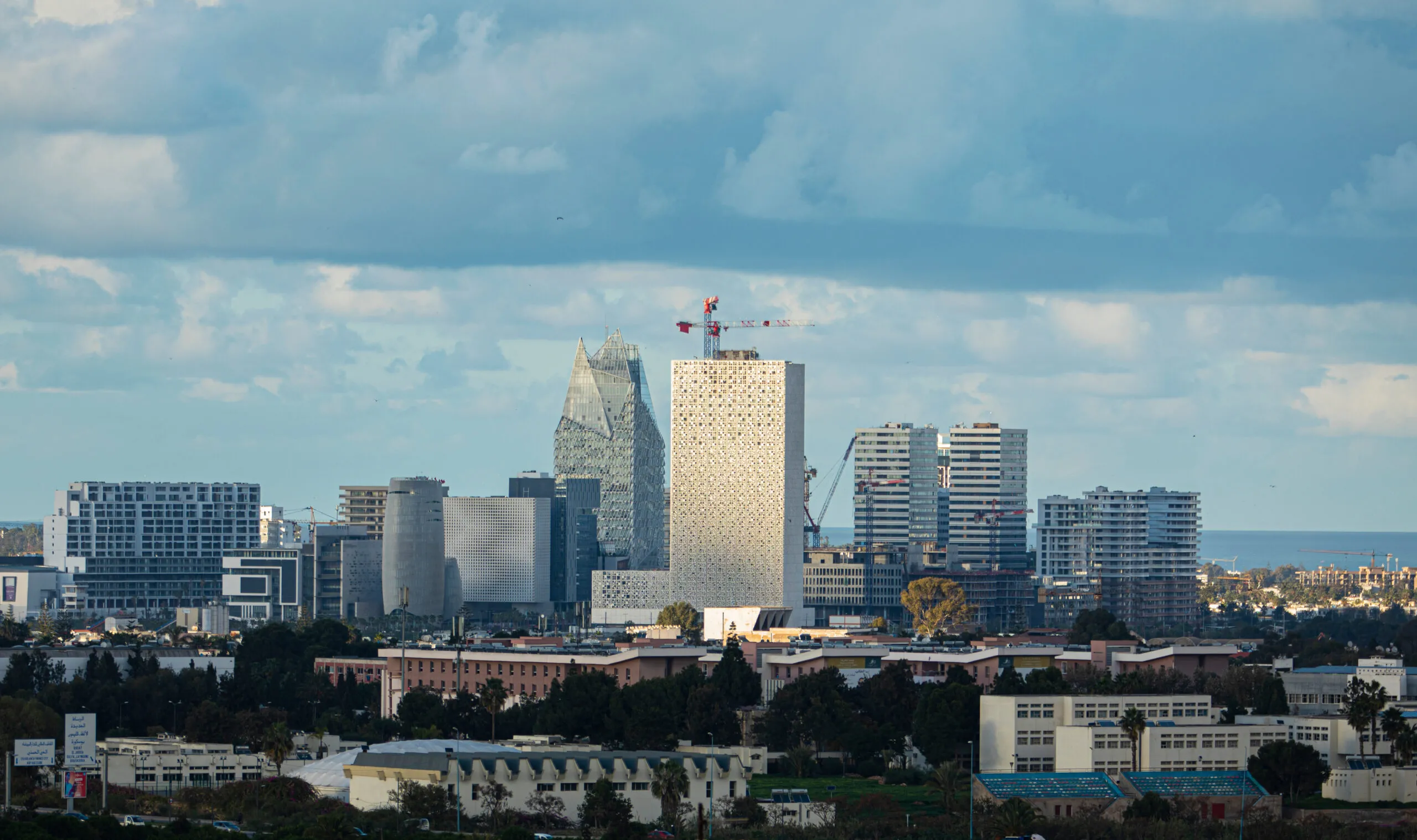
In parallel, the Crown Prince is involved in prestigious projects aimed at enhancing Morocco's international visibility. The inauguration of the Mohammed VI Tower in Rabat and the modernization of the Prince Moulay Abdellah Stadium to meet FIFA 2030 standards exemplify a developmental strategy that intertwines urban modernization, tourism, and geopolitical branding. His strong presence at football and equestrian events follows this logic as well. The Africa Cup 2025 and preparations for the 2030 FIFA World Cup are seen in Rabat as levers for investment, infrastructure development, and international positioning, while also serving domestic purposes by showcasing national unity.
With more than a third of Morocco's population under the age of 30, the public role of the Crown Prince carries added societal significance. The monarchy is evidently attempting to blend dynastic continuity with an image of technocratic modernization. The participation of Moulay El Hassan in both religious ceremonies and military graduations reflects an effort to stabilize traditional legitimacy alongside state modernization.
Thus, the birthday celebrations of the Crown Prince appear less as symbolic folklore and more as a component of a long-term political narrative: that of a state preparing its future personnel while the regional order in North Africa undergoes transformation.
As reported by maghreb-post.de.