Algeria and Morocco: Strategies Amidst Rising Threats
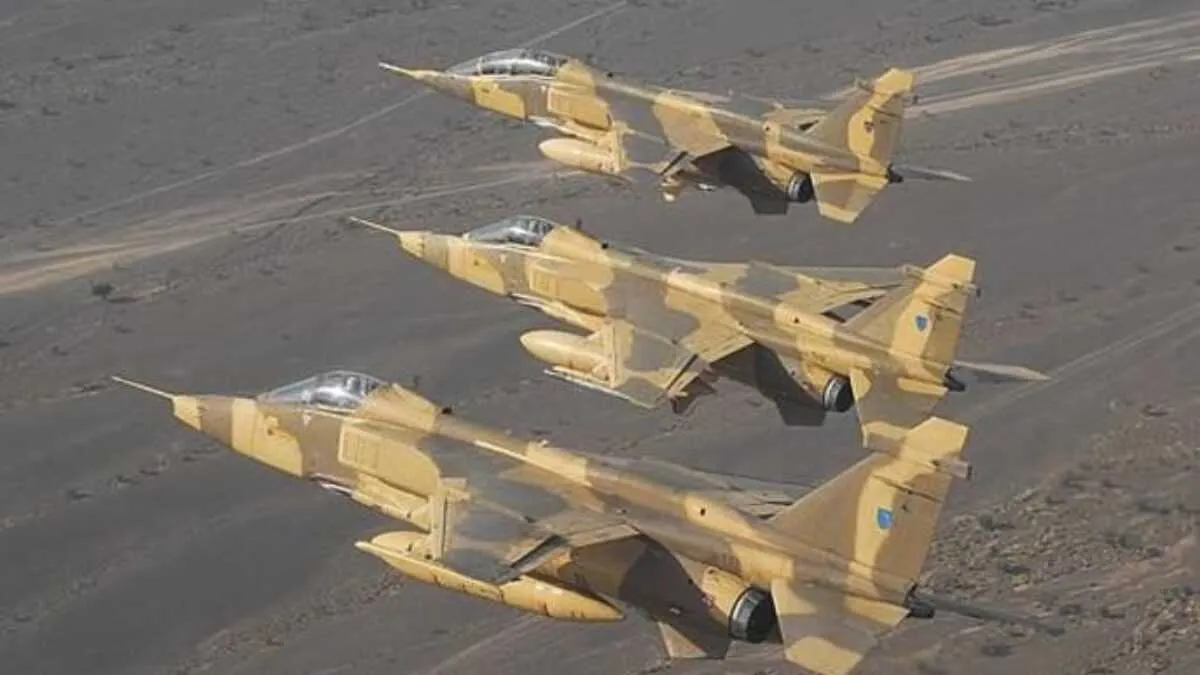
In response to emerging threats, particularly in the Sahel region, Algeria and Morocco are both rapidly enhancing their military capabilities, albeit with distinct strategies. Algeria is focusing on leveraging the strength of its resources to solidify its role as a security pillar in the Maghreb, while Morocco is prioritizing the modernization of its military arsenal. This military rearmament is part of a global trend, with military spending reaching historic levels—projected to approach $2.9 trillion worldwide by 2025, according to the Stockholm International Peace Research Institute (SIPRI). Within this context, North Africa stands out as one of the most dynamic regions for military investment, accounting for a substantial portion of Africa's defense expenditures.
At the heart of this dynamic are two dominant players: Algeria and Morocco, which together command the overwhelming majority of the region’s military budget. This military escalation can be attributed to a complex security environment marked by regional tensions, Sahelian challenges, and shifting international alliances. Beyond mere rivalry, these investments reflect a desire for modernization and strategic sovereignty.
Algeria's Military Expansion and Strategic Goals
Algeria is currently emerging as one of Africa's foremost military powers in terms of defense spending, with a budget projected to exceed $25 billion in 2025. This figure underscores Algeria's strategy to bolster its defensive capabilities, supported by its energy revenues, particularly from hydrocarbons. The nation is actively enhancing its military equipment, modernizing its armed forces, and developing a doctrine focused on deterrence and stability. Algeria's primary objective is to ensure national security amid a backdrop of instability in the Sahel and transnational threats. Additionally, Algeria plays a crucial diplomatic and security role in the region, engaging in numerous mediation initiatives aimed at promoting regional stability and maintaining a strategic balance in North Africa.
In contrast, Morocco adopts a different approach, with a military budget ranging between $5 billion and $6 billion, prioritizing the modernization of its military capabilities. The Moroccan kingdom invests in drones, surveillance systems, and the enhancement of military intelligence, fostering partnerships with the United States, Israel, and other Western allies. Furthermore, Morocco is working to develop its defense industry to reduce external dependency. Although its financial resources are lower than those of Algeria, Morocco’s strategy focuses on maximizing operational efficiency and adapting to emerging forms of hybrid warfare. According to SIPRI, defense budgets in North Africa have seen significant growth in recent years, surpassing $30 billion.
This military buildup occurs within a reconfigured regional environment characterized by persistent instability in the Sahel and evolving international partnerships. In this context, the military strategies of Algeria and Morocco, while distinct, converge on one critical point: the necessity to adapt to increasingly diffuse threats. The military enhancements of both Algeria and Morocco are expected to continue shaping regional balances in the coming years, reflecting a dual pursuit of deterrence and modernization of capabilities amid a backdrop of enduring strategic rivalry in the Maghreb.
As reported by afrik.com.