
The Jabaroot Hack and Its Implications
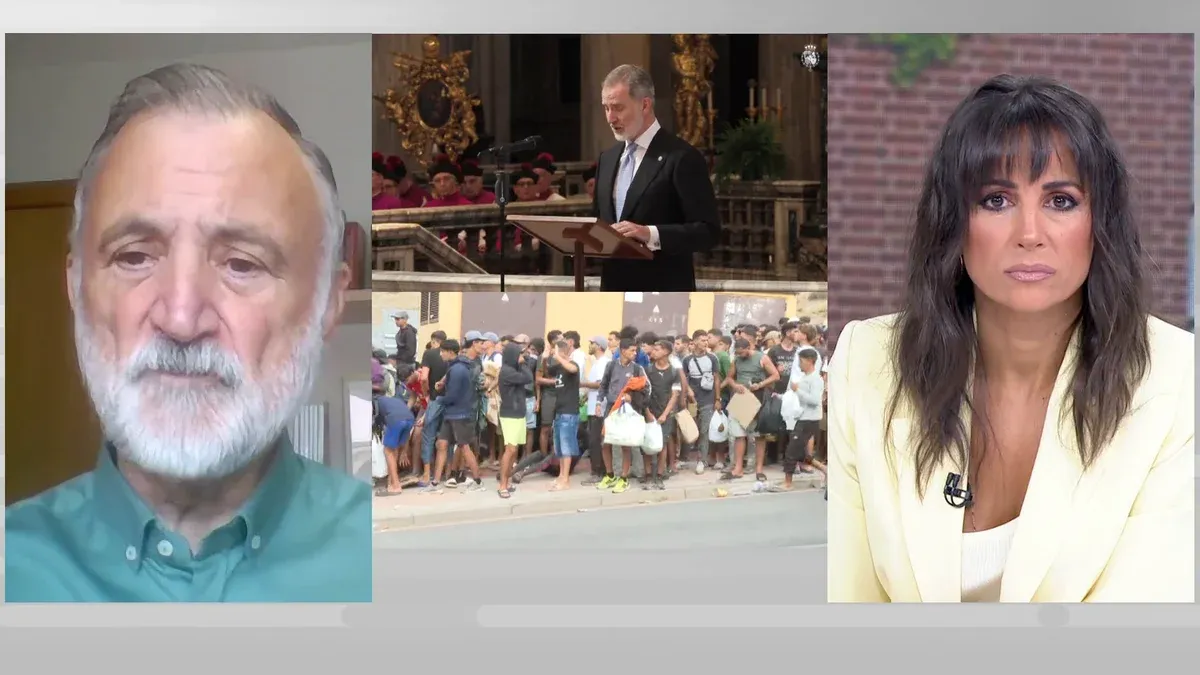
The recent hacking incident involving the Jabaroot group has sent shockwaves through diplomatic channels between Spain and Morocco. In a detailed analysis by journalist Sergio Barbosa on the program 'Herrera en COPE', it was revealed that this hacking collective, associated with Algeria, has leaked sensitive information regarding over 70,000 individuals linked to Moroccan intelligence services. Among the leaked data are the identities of 21 high-ranking intelligence officials, including Abdellatif Hammouchi, the head of these services. The hackers claim to have accessed this information from computers used by agents stationed in Castillejos during the crisis in Ceuta, presenting their findings as a gift to both Spain and Europe.
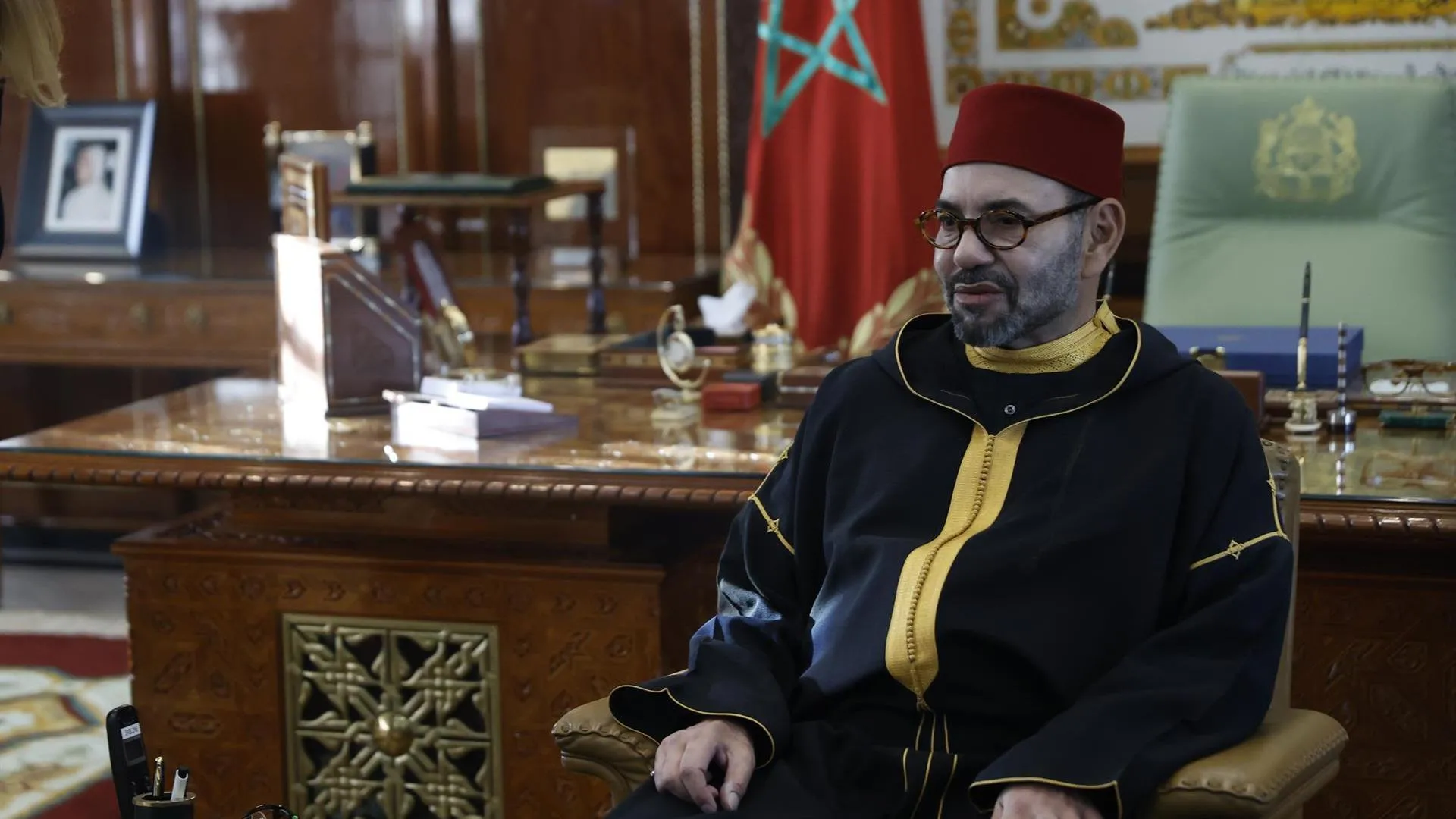
The implications of this breach are significant, as the hackers allege that the operation had the tacit approval of Moroccan services, with possible knowledge from the United States and Israel. Furthermore, they have pointed fingers at advisor Fouad Ali El Himma, threatening to disclose data extracted from the cell phone of Spanish Prime Minister Pedro Sánchez, which could escalate tensions further.
Political Repercussions and Delayed Responses
Barbosa's insights shed light on the challenges facing the Spanish government as ministers prepare to present their accounts in Congress following this scandal. The initial testimony from Defense Minister Margarita Robles and the forthcoming appearances by Foreign Minister José Manuel Albares are under scrutiny, particularly regarding Spain's diplomatic response to the revelations. The timing of this crisis is particularly critical, as the ministers face allegations of inaction since July 30, raising questions about their ability to handle the fallout from these leaks.
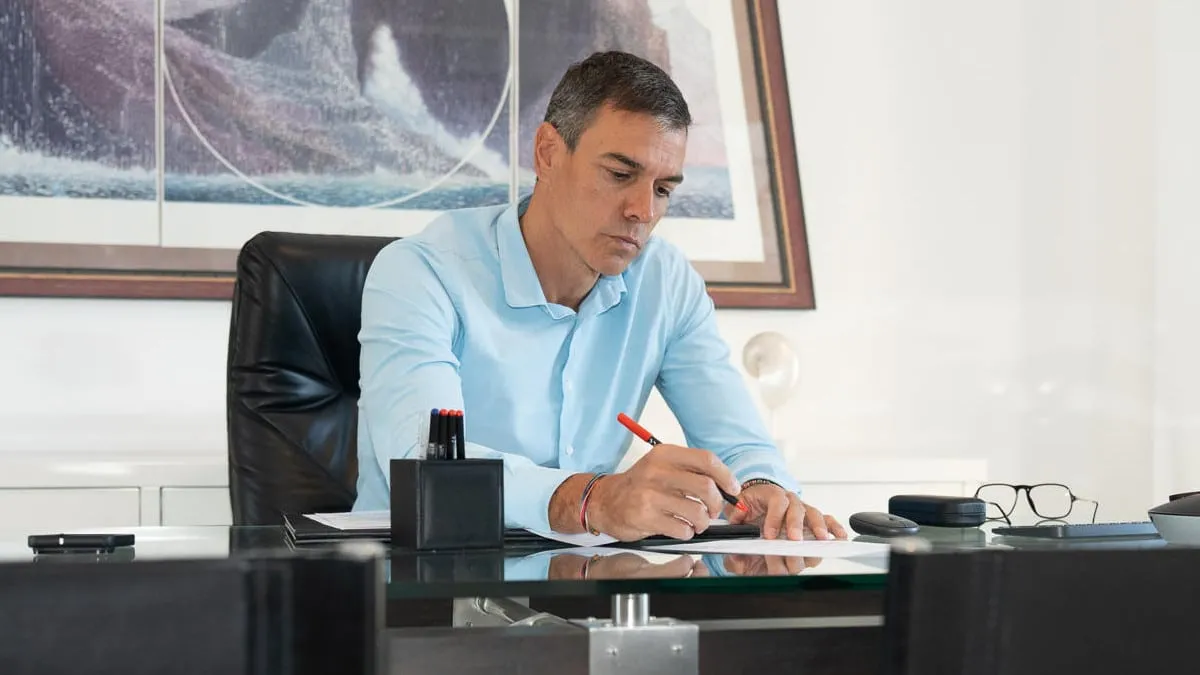
Moreover, the analysis criticizes the central government's apparent delay in activating emergency measures until after Prime Minister Sánchez returned from his vacation in Lanzarote. This includes a formal request for financial aid and personnel from Frontex to address the ongoing crisis. The urgency of these measures was underscored by the repeated calls from Ceuta's autonomous city president, Juan Jesús Vivas, who has sought these resources for weeks while the situation on the ground deteriorates.
As the Spanish government convenes the National Security Council and establishes a unified command under Minister Ángel Víctor Torres, these actions come after 26 days of continuous crisis. The situation in Ceuta remains dire, with public health concerns escalating amid a backdrop of political turmoil.
As reported by cope.es.