The Historical Significance of Throne Day in Morocco
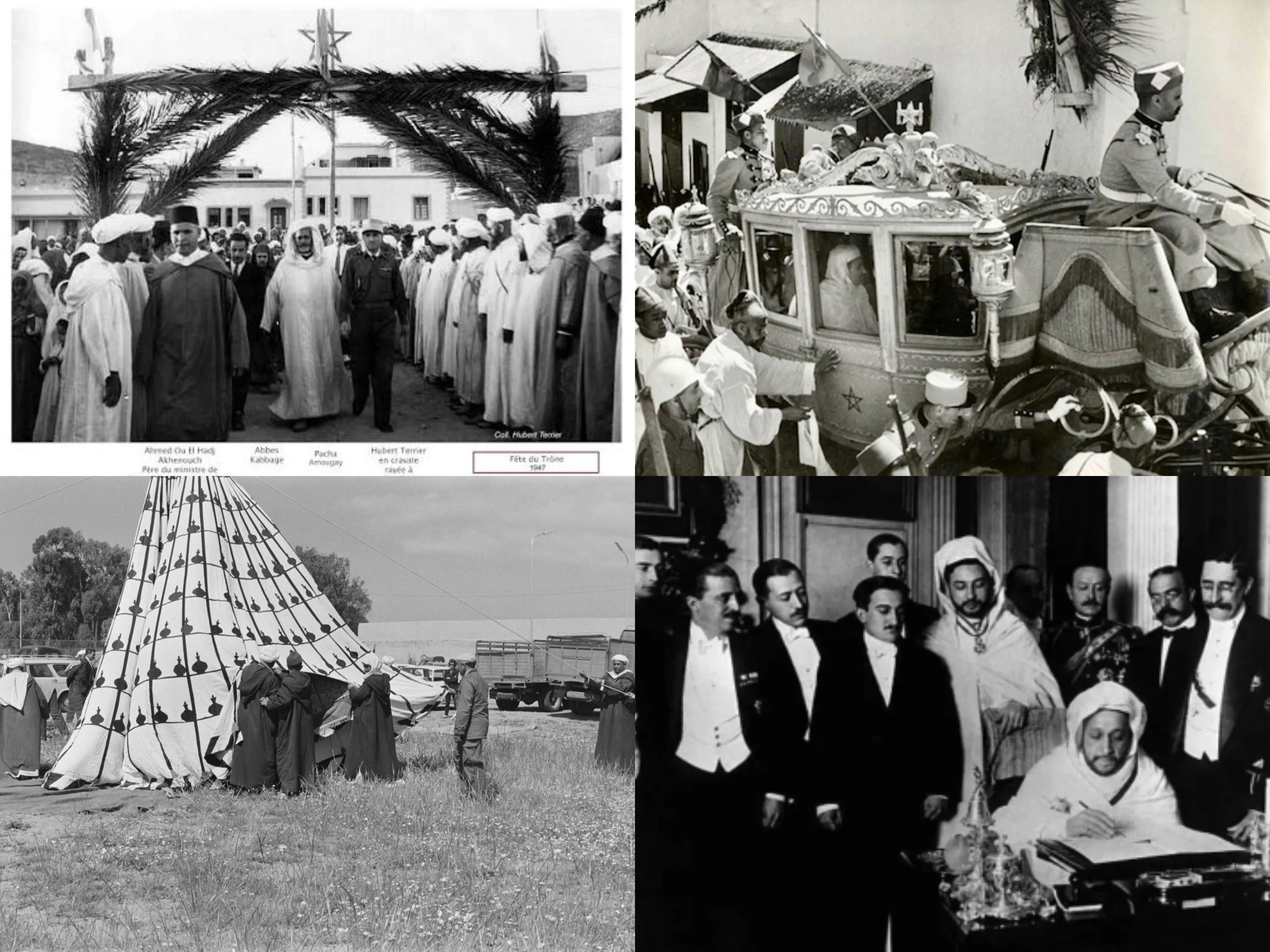
The celebration of Throne Day, a pivotal national holiday in Morocco, first took place on November 18, 1933. During this initial celebration, which occurred in the city of Fez, Moroccan newspapers of the time vividly described the festive atmosphere, despite rain that day. The inclement weather did not dampen the spirits of the revelers, as the festivities continued throughout the day, marking a significant moment in Moroccan history. In the following year, the celebration was officially recognized as a national holiday, a strategic move by the French authorities aimed at managing the rising nationalist sentiments during a tumultuous period.
Under the reign of the late King Hassan II, the celebration was officially shifted to March 3 and transformed into an annual event that exceeded mere commemoration. It became a platform for showcasing Moroccan talent in various artistic disciplines, including theater and music. Many prominent Moroccan artists owe their beginnings to performances held during Throne Day celebrations, which were hosted in schools and public institutions. This tradition has persisted for over ninety years, deeply embedding Throne Day into the cultural fabric of Moroccan society.
The Journey of Throne Day Celebrations
Reflecting on the historical context, former minister and royal advisor Dr. Abdelhadi Boutaleb emphasized that Throne Day was never simply a national holiday recognized on official lists. He belonged to a generation that witnessed the birth of this celebration during the critical early 1930s, retaining archival records of national newspapers that called for the celebration of Throne Day. His memories recall the political tensions of that era, particularly when the newspaper "Le Travail du Peuple" advocated for the establishment of Throne Day as a national holiday. In its second issue, dated October 20, 1933, the paper urged Moroccans to commemorate November 18 each year, honoring the king and fostering national unity in a country divided into three regions, threatened by ethnic division between Arabs and Berbers.
As the nationalists recognized the significance of this day, the idea of commemorating the king's enthronement began to take root, culminating in an official decree on October 26, 1934, that established Throne Day as a national holiday. This decree detailed the festivities, stipulating that the celebration would occur on November 18 and outlining the roles of local officials in organizing the events. The push for a unified national celebration was bolstered by the efforts of individuals like Mohamed Hsar, who disseminated calls for participation in both Arabic and French, ensuring widespread awareness and enthusiasm for the inaugural event.
The first official celebration in 1934 saw major cities, particularly Fez, adorned in Moroccan colors and filled with joyous gatherings. The Moroccan press played a vital role in capturing the essence of these celebrations. In a follow-up issue, "Le Maroc" magazine highlighted the vibrant atmosphere in Salé, where citizens adorned the city with Moroccan flags and participated in various festivities, showcasing a strong sense of national pride.
As Morocco approached the twenty-fifth anniversary of Throne Day in 1952, the political landscape was fraught with tension, marked by strained relations between the monarchy and the French protectorate. This particular celebration turned out to be the last before the royal family's exile, leading to the accession of a new ruler. Witnesses, including American journalist Marvine Howe, recalled the unique nature of the festivities, which were heavily monitored and influenced by the French authorities, yet still resonated deeply with the Moroccan populace.
After gaining independence in 1956, Morocco experienced a resurgence in the celebration of Throne Day, free from the restrictions of the past. The new government oversaw the festivities, allowing for a more authentic expression of national identity. Young leaders emerged, spearheading initiatives that revitalized the celebrations and incorporated contemporary elements, ensuring that the spirit of Throne Day continued to evolve with the nation. By the time of King Hassan II's reign, the celebrations had grown to include grand displays of national pride, culminating in formal speeches and widespread public participation, solidifying Throne Day as a cornerstone of Moroccan national identity.
As reported by alakhbar.press.ma.