The Significance of Unforgettable Final Lines in Cinema
A film's greatness often hinges on its conclusion, as the impressions left on the audience as the credits roll are pivotal to a movie's lasting legacy. While a captivating storyline and engaging performances can elevate a film, it is the final line of dialogue that frequently cements its place in cinematic history. A powerful closing line can resonate with viewers, whether it be through humor, horror, or profound meaning, making it a crucial element of the overall film experience. Iconic films such as *The Silence of the Lambs* and *Back to the Future* showcase how unforgettable closing lines can encapsulate the essence of the narrative and leave audiences with lasting memories.
In *The Silence of the Lambs*, for instance, the chilling exchange between Hannibal Lecter and Clarice Starling serves as a perfect representation of their complex cat-and-mouse relationship. As Lecter escapes from captivity, he assures Starling that he will not pursue her, a claim she does not reciprocate, leaving viewers with a sense of unease and anticipation. This final moment is not only a testament to the film's writing and acting but also a reminder that evil lingers even as the story concludes.
The Evolution of Iconic Final Lines
Another notable ending can be found in David Fincher's *Se7en*, which epitomizes the bleakness of its narrative with a heart-wrenching final scene. In this iconic conclusion, Mills, portrayed by Brad Pitt, confronts the grim reality of his wife's fate, leading to a shocking act of violence. Somerset's closing voiceover, which twists an Ernest Hemingway quote, reinforces the film's profound themes of despair and the fight against pervasive evil. This poignant dialogue not only closes Mills' character arc but also leaves audiences contemplating the darkness that surrounds them.
Billy Wilder, a master of subversive storytelling, also contributed significantly to the realm of memorable endings. In *The Apartment*, the film concludes on a note of hope as Baxter and Fran choose to embrace a future together, defying conventional romantic tropes. Wilder's ability to blend realism with humor shines through in Fran's final words to Baxter, capturing the essence of genuine human connection and leaving audiences with a sense of optimism.
In *Sunset Boulevard*, Wilder again explores the depths of human psyche through Norma's descent into madness, culminating in a final line that signals the victory of delusion over reality. This iconic moment, delivered by Gloria Swanson, serves as a haunting reminder of the thin line between sanity and insanity, further solidifying the film's place in cinematic history.
The *Back to the Future* franchise provides another prime example of effective closing lines, particularly in the original 1985 film. As Marty returns from 1955, he is met with a fresh perspective on his family, only to be whisked away by Doc Brown, setting the stage for future adventures. The film's final exchange, brimming with excitement and curiosity, leaves audiences eager for more and epitomizes the spirit of adventure that characterizes the trilogy.
Films like *The Usual Suspects* and *Eternal Sunshine of the Spotless Mind* further showcase the power of a well-crafted final line. The former offers a stunning twist that recontextualizes the entire narrative, while the latter encapsulates the complexities of love and acceptance with a simple yet profound exchange. These films highlight how closing lines can serve as a lens through which viewers understand the entirety of the story.
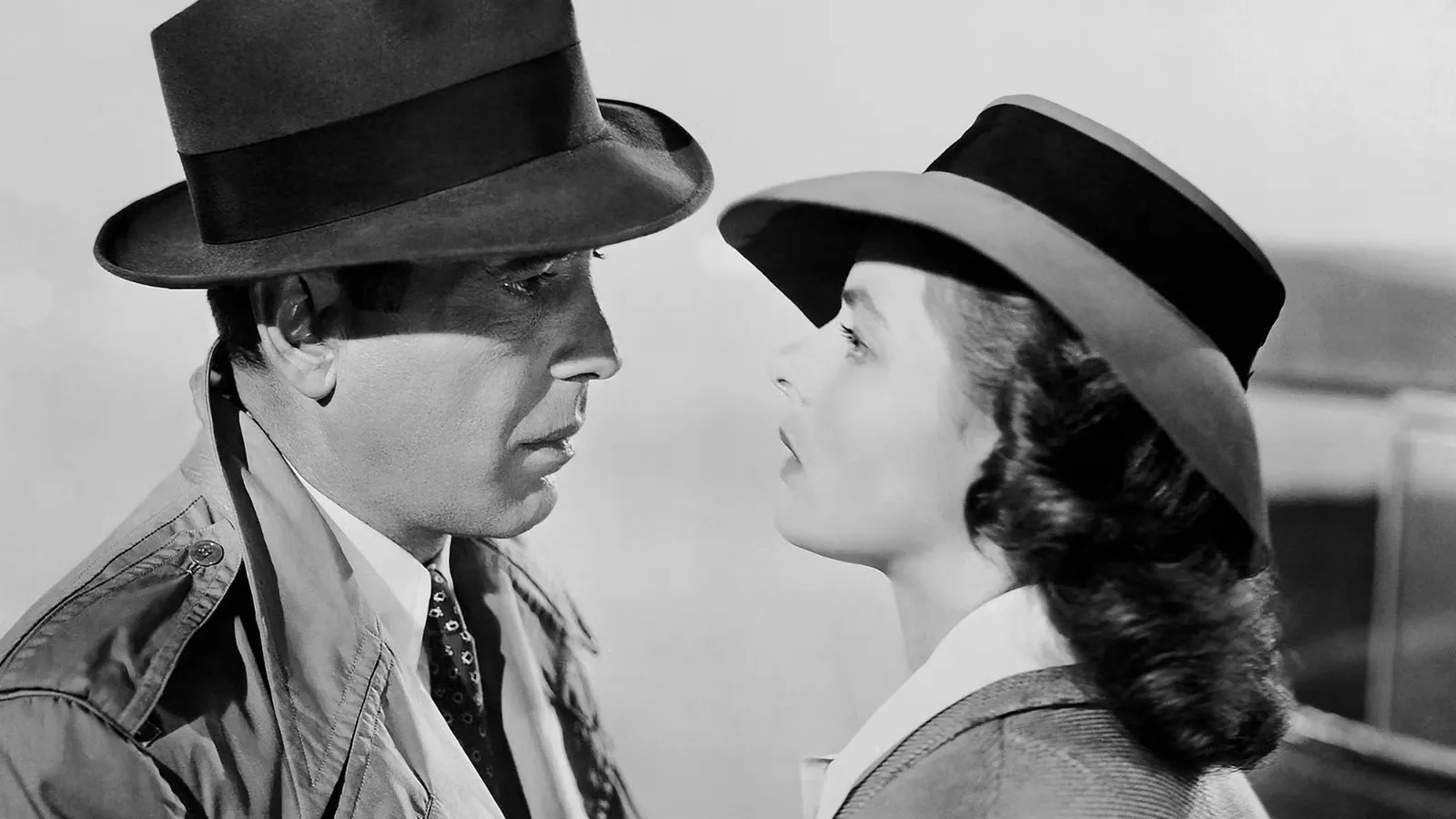
Even in films grappling with profound themes of corruption and tragedy, such as *Chinatown*, the final lines resonate deeply, illustrating the inescapable nature of systemic issues. Similarly, *Some Like It Hot* ends with a humorous yet progressive revelation, showcasing Wilder's knack for blending comedy with poignant social commentary. Finally, *Casablanca* delivers one of the most quoted lines in film history, encapsulating sacrifice and altruism at a time of global turmoil, reminding viewers of the overarching themes of love and duty.
The exploration of these iconic endings reveals that a movie's conclusion is more than just an end; it is a powerful opportunity to encapsulate the film's themes, provoke thought, and evoke emotion. As we reflect on these memorable moments, we recognize the indelible impact they leave on audiences and the legacy they forge within the cinematic landscape. The final lines of these films are not just dialogues; they are echoes that resonate long after the screen fades to black.
As reported by collider.com.