Morocco's Strategic Position in Global Markets
In a recent discourse, Nabil Dghoughi, Morocco's ambassador to Brazil and the dean of the Arab ambassadors in the Latin American nation, emphasized the significant geopolitical shifts affecting logistics corridors and energy markets. He pointed out that the recent tensions in the Strait of Hormuz and the disturbances in supply chains triggered by the ongoing war in Ukraine have showcased the direct impact of geopolitical threats on global trade routes. In response, both governments and corporations are diversifying their supply sources, relocating production chains, and redefining global trade pathways.
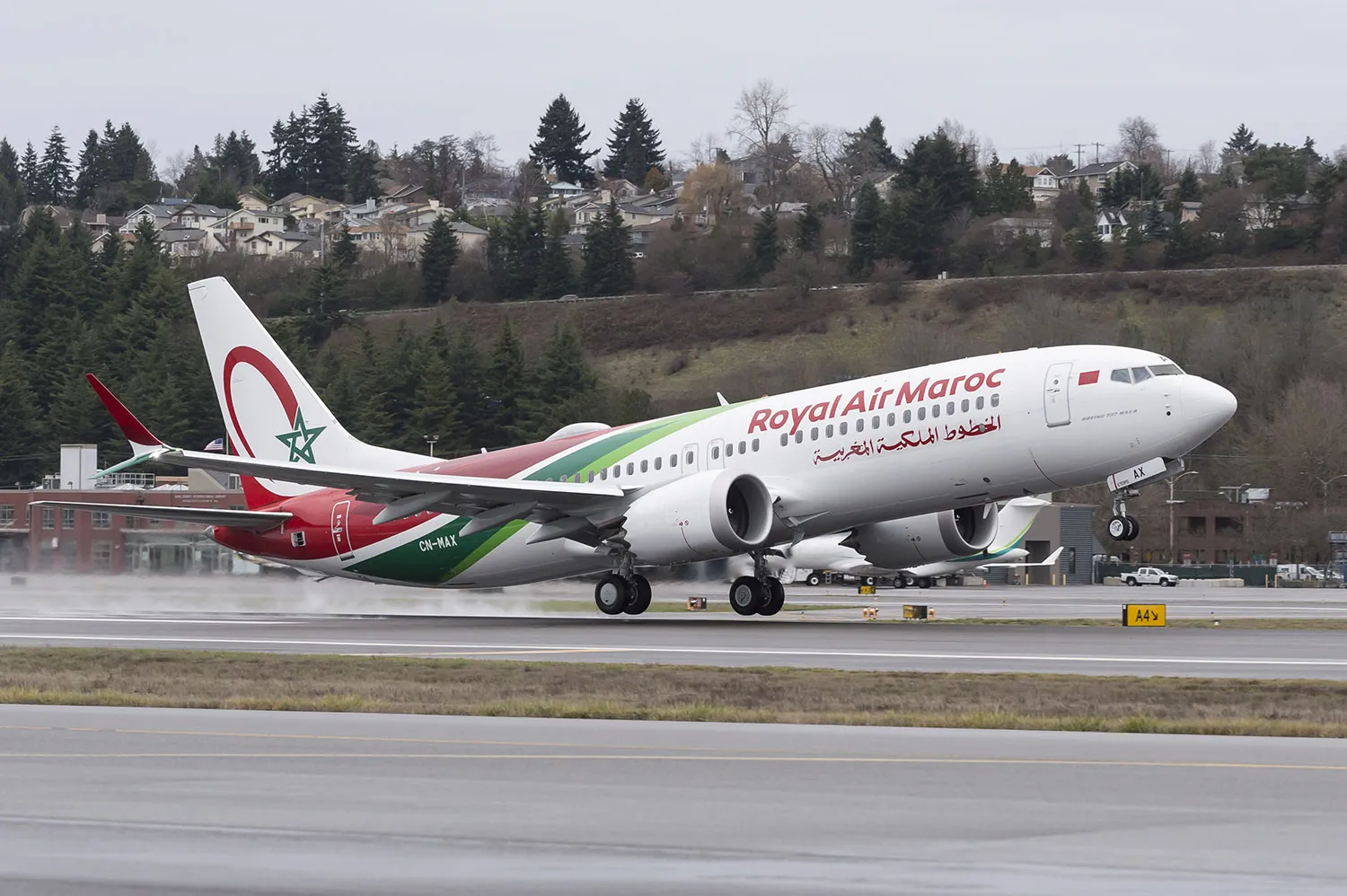
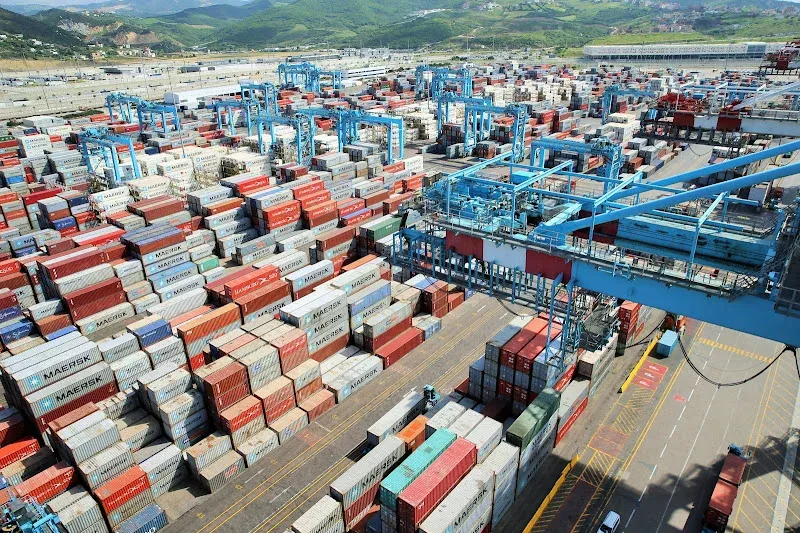
Within this context, Dghoughi highlighted Morocco's ambition to leverage its strategic location at the crossroads of Africa, Europe, and the Americas to establish itself as a global player in various sectors, including food security, air and maritime logistics, green energy, and sustainable mobility. He noted that Casablanca is evolving into an international aviation hub, aiming to cater to 20 million passengers by 2029, supported by a fleet of 200 aircraft for Royal Air Maroc. Additionally, the Tangier Med port ranks among the top ten ports worldwide, processing approximately 11 million containers and hosting over 1,500 companies within its expansive 3,000-hectare industrial zone.
A Hub of Opportunity and Infrastructure Development
Dghoughi further elaborated on Morocco's burgeoning tourism sector, stating that Marrakech attracts a significant share of the 20 million tourists visiting Morocco annually. Major global tourism groups are making substantial investments across the country, transforming Morocco into an open workshop of opportunities. He underscored that the nation is undergoing massive infrastructure projects in preparation for hosting the 2030 FIFA World Cup.
The Moroccan diplomat also discussed the myriad success stories that reflect the current dynamism of Morocco and the soundness of the strategic decisions made under the direct leadership of His Majesty King Mohammed VI. These include an extensive network of free trade agreements, especially with the European Union and the United States, ongoing foreign direct investment inflows—particularly from China—high-quality infrastructure, a robust focus on Africa, and a successful commitment to renewable energy and carbon-free industries.
Morocco, holding over 70% of the world’s phosphate reserves, has emerged as a key player in the global fertilizer market. Its fertilizer production capacity is projected to quintuple from 3 million to 15 million tons between 2005 and 2025. Furthermore, investments in solar energy, green ammonia, and decarbonization reflect the kingdom's ambition to balance food security, industrial sovereignty, and environmental transition.
Regarding Morocco's logistics frameworks, Dghoughi remarked that the "Nador West Mediterranean" port will serve as the third pillar of Morocco's port strategy. This deep-water port is expected to become a central hub for shipping, industry, and energy, already attracting significant investments from China, particularly in green energy and electric mobility sectors. With ports like Tangier Med, Dakhla Atlantic, and Nador West Mediterranean, Morocco is positioning itself as a leading logistics hub in both the Atlantic and Mediterranean regions.
Morocco aims to secure its place within the value chains shaping the carbon-free economy, making it an attractive investment destination for electric mobility and low-carbon technologies. This momentum is particularly evident in the partnerships developed with China. As the first African nation to join the Belt and Road Initiative in 2017, Morocco has become an attractive platform for Chinese companies looking to capitalize on Morocco's free trade agreements with the European Union, the European Free Trade Association (EFTA), the United States, and Africa through the African Continental Free Trade Area.
Dghoughi concluded by explaining that Morocco's goal is to establish a complete value chain for electric vehicles by 2030, with a production capacity of 500,000 vehicles annually. This strategy is based on the robust performance of Morocco's automotive industry, which currently produces around 700,000 vehicles each year, generating exports worth $16.5 billion annually.
As reported by hespress.com.