Exploring the Pinnacle of Directorial Mastery in Classic Cinema
Visual storytelling is a hallmark of noteworthy films, yet certain classics like "Gone with the Wind," "Sunset Boulevard," and "Lawrence of Arabia" set a benchmark for outstanding directing that transcends mere technical prowess. When discussing films that exemplify perfect direction, viewers often refer to those where elements such as camera movement, pacing, performances, lighting, and sound converge harmoniously, creating a seamless narrative that fully embodies the director's vision without becoming distracting. Films like "Casablanca," "The Good, the Bad, and the Ugly," and "The Godfather" not only showcase technical brilliance but also reflect the director's intent, ensuring that each shot serves a significant purpose and every moment resonates with the film's core themes. This article endeavors to rank ten of the most perfectly directed classic films that have left an indelible mark on cinema.
Timeless Classics and Their Visionary Directors
Considered one of the greatest Westerns, "The Searchers" features a stellar performance by John Wayne as Ethan Edwards, a Civil War veteran driven by vengeance after his family is murdered. Directed by John Ford, the film is lauded for its visual storytelling, thematic richness, and control over tone, striking a balance between epic and personal narratives. Ford's directorial choices are evident in the film’s pacing and structure, where scenes often commence late and conclude early, showcasing his confidence as a storyteller. The closing scene, where Edwards lingers in the doorway, serves as a visual metaphor for alienation and obsession, encapsulating the film's essence without the need for dialogue.
Another masterpiece is Alfred Hitchcock's "Vertigo," featuring James Stewart as John "Scottie" Ferguson, a detective who becomes ensnared in a web of obsession. This film is often regarded as Hitchcock's magnum opus, illustrating his unparalleled control over visual storytelling. The iconic dolly zoom effect plunges viewers into Scottie's psyche, transforming a psychological condition into a palpable experience. Hitchcock's meticulous use of color reflects the characters' emotional transitions, allowing the audience to witness their transformations in real time.
"Gone with the Wind," based on Margaret Mitchell's novel, is an epic tale of love and survival amid the American Civil War, showcasing the trials of Scarlett O'Hara, portrayed by Vivien Leigh. With Victor Fleming at the helm, the film masterfully juxtaposes grand Civil War sequences with intimate character moments, crafting a cohesive vision. The film's ability to balance spectacle with personal narrative is evident in scenes like the burning of Atlanta, where the story remains focused on Scarlett's perspective, a testament to Fleming's directorial prowess. Garnering eight Academy Awards, including Best Picture and Best Director, "Gone with the Wind" remains a cinematic landmark.
David Lean's "Lawrence of Arabia" features Peter O'Toole as T.E. Lawrence, a British officer who becomes a pivotal figure during the Arab Revolt. Lean's direction achieves a rare blend of grand scale and psychological depth, utilizing the vast desert landscape to mirror Lawrence's complex character. Lean's trust in O'Toole's interpretation of Lawrence resulted in iconic moments, such as the improvised scene showcasing Lawrence's new attire. This film, which won seven Academy Awards, including Best Picture, continues to captivate audiences with its breathtaking visuals and profound narrative.
Stanley Kubrick's "2001: A Space Odyssey" revolutionized visual storytelling through innovative special effects and an enigmatic narrative structure. Following Dr. Dave Bowman and his crew on a mysterious mission, the film transcends traditional cinema, merging philosophical inquiry with stunning imagery. Each composition is deliberate, emphasizing symmetry and stillness, while practical effects lend a sense of realism that endures. Despite mixed initial reviews, the film earned four Academy Award nominations and is celebrated for its groundbreaking achievements in cinema.
Billy Wilder's "Sunset Boulevard" brilliantly critiques Hollywood while delivering a compelling narrative. This noir classic follows aspiring screenwriter Joe Gillis, played by William Holden, as he navigates the dark underbelly of fame alongside former star Norma Desmond, portrayed by Gloria Swanson. Wilder's expert balance of humor, tragedy, and visual style creates a cohesive cinematic experience that reflects the decay of Hollywood glamour, reinforced by John Seitz's evocative cinematography.
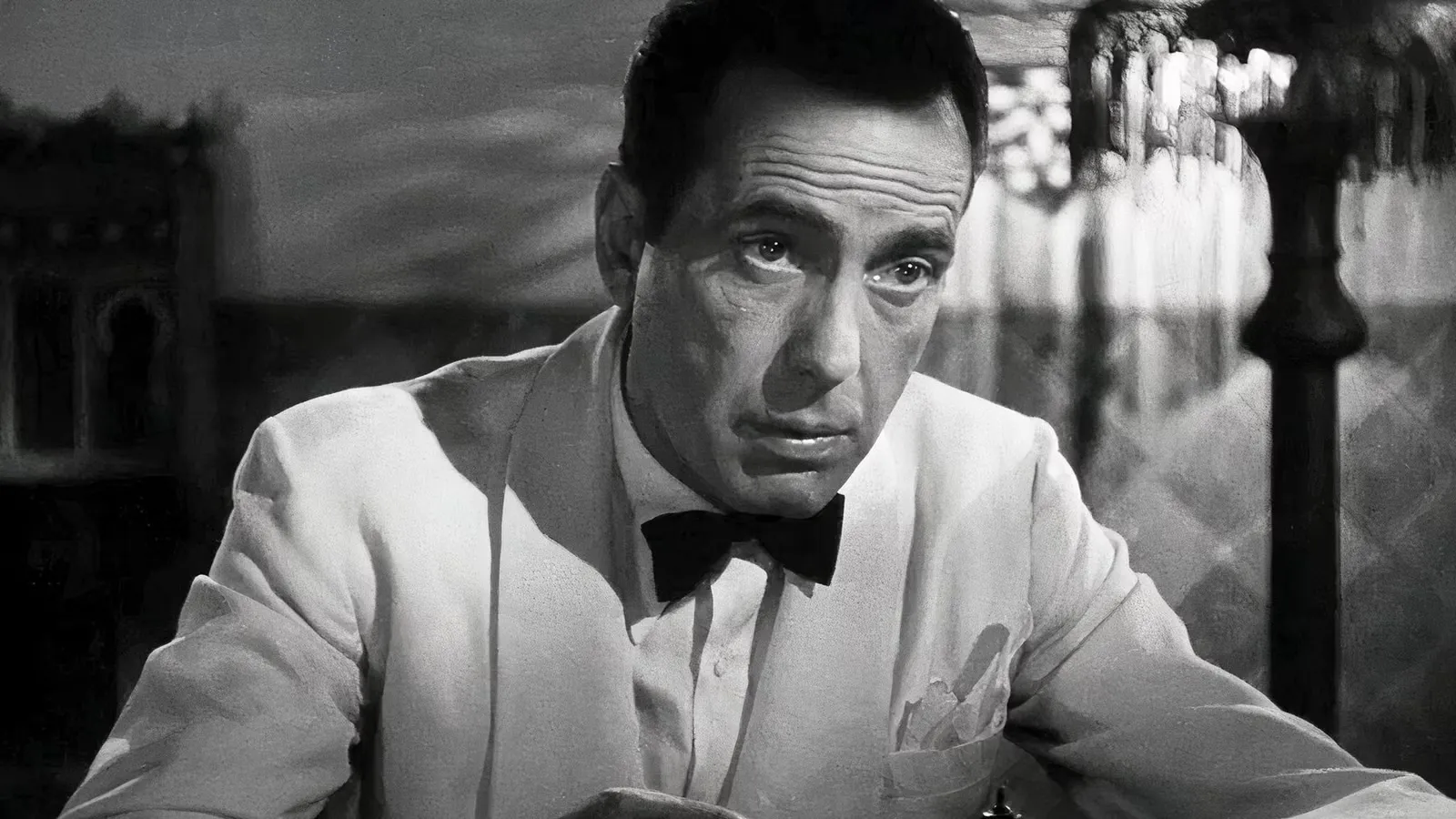
Michael Curtiz's "Casablanca" stands as a paragon of flawless direction, intertwining romance and political drama within a wartime setting. Humphrey Bogart's portrayal of Rick Blaine encapsulates the film's emotional depth as he grapples with love and sacrifice. Curtiz's masterful use of lighting and composition creates a palpable atmosphere of tension and intimacy, allowing for a rich narrative that ultimately earned the film three Academy Awards, including Best Picture.
In Sergio Leone's "The Good, the Bad, and the Ugly," Clint Eastwood delivers a memorable performance as the Man With No Name, navigating a treacherous treasure hunt amidst the backdrop of the Civil War. Leone's distinctive directorial style transforms a simple plot into an operatic experience, characterized by striking contrasts and prolonged tension that culminates in a mythic showdown. The film's artistry is further amplified by Ennio Morricone's iconic score, creating a lasting impact on the genre.
Francis Ford Coppola's "The Godfather" redefined the gangster genre, seamlessly blending family drama with intense crime storytelling. Through the character of Vito Corleone, played by Marlon Brando, Coppola explores themes of power and loyalty. The film's visual style, shaped by Gordon Willis's cinematography, utilizes low lighting to evoke secrecy and moral ambiguity, enhancing the narrative's emotional weight. Coppola's ability to intertwine performances, tone, and visual storytelling results in a timeless classic that resonates deeply with audiences.
Finally, Orson Welles' "Citizen Kane" revolutionized cinematic direction with its innovative narrative structure and technical achievements. The film's exploration of Charles Foster Kane's life through fragmented perspectives invites the audience to engage with its mystery. Welles' pioneering techniques, such as low-angle shots and expressive compositions, create an enduring sense of power and isolation, setting a high standard for future filmmakers. Each of these films exemplifies the artistry of direction, showcasing how the vision of a director can elevate a narrative, ensuring that these classics remain revered in the annals of cinema history.
As reported by collider.com.