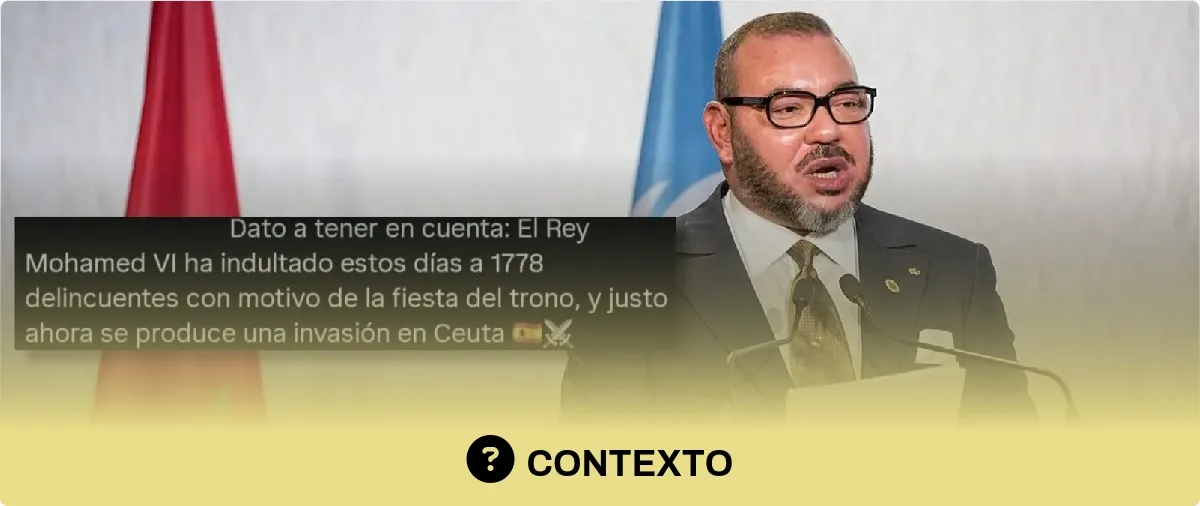
Ceuta Faces a Migrant Influx Amid Stricter Enforcement
The small Spanish enclave of Ceuta, located on the northern coast of Africa, has seen an unprecedented surge of approximately 60,000 migrants entering its territory. This significant influx has drawn attention from both regional authorities and international observers, highlighting the ongoing challenges of migration in Europe. Many of these individuals, seeking refuge from various hardships, initially crossed into Ceuta in hopes of a better life, but a recent crackdown by Spanish authorities has led to a substantial number returning to Morocco.
Ceuta, one of two Spanish exclaves on the African continent, serves as a crucial entry point into Europe for migrants from various parts of Africa and the Middle East. The recent spike in arrivals can be attributed to a multitude of factors, including worsening economic conditions and political instability in their home countries. However, the Spanish government's increased enforcement measures, which have included heightened border security and stricter immigration controls, have prompted many migrants to reconsider their options. Following the crackdown, reports indicate that a significant portion of these individuals chose to return to Morocco, where they face their own set of challenges but have found it increasingly difficult to navigate the complexities of European immigration policies.
This situation underscores the delicate balance between humanitarian responsibilities and national security concerns that countries like Spain must navigate. The European Union has been grappling with migration issues for years, and Ceuta's recent developments are a microcosm of the broader challenges faced by EU member states. As the region continues to deal with the aftermath of this influx, it remains clear that a comprehensive approach to migration that addresses the root causes and offers sustainable solutions is urgently needed.
As reported by globalnews.ca.