Overview of the African Lion 2026 Military Exercise
This week marks the commencement of the largest annual joint military exercise organized by the U.S. Africa Command, known as African Lion 2026. This significant operation involves nearly 5,000 troops and participation from around 40 countries, collaborating closely with the Royal Armed Forces of Morocco and the United States Armed Forces. In its 22nd edition, Morocco has successfully established itself as a key military ally on the continent, showcasing its growing military capabilities.
According to the official website of the United States government, the African Lion exercise aims to enhance interoperability among U.S. forces, NATO allies, and partner nations in Africa. This operation is organized by Africom and the Royal Moroccan Armed Forces, and includes participation from some of the continent's most capable military nations, such as Ghana, Senegal, and Tunisia.
Key Objectives and Innovations of the Exercise
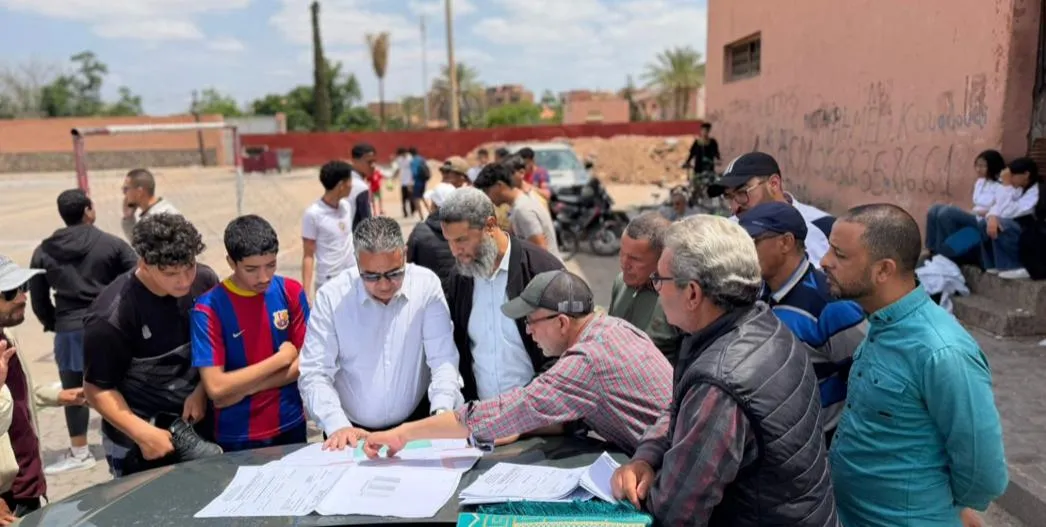
This year, a total of nineteen African countries, six European nations, along with partners from South America and the Middle East, are actively participating, as noted by General Dagvin Anderson, Africom's representative, in an interview with "Euromagreb." Furthermore, reports from Moroccan media and U.S. military sources indicate that this year's exercise increasingly focuses on multidomain warfare and the integration of new military technologies among the troops, as highlighted by "Infodefensa." The exercises will take place from April 20 to May 8 at various locations, including Moroccan cities Kenitra, Tan-Tan, and Agadir, as well as across other participating African nations. The opening ceremony was held at the Southern Zone Command headquarters in Agadir, attended by Mohammed Benlouali, Chief of Staff of the command, and Daniel Cederman, deputy commander of the U.S. Army Southern European Task Force, Africa (Setaf-AF).
During the ceremony, both officials emphasized the increasing military cooperation between the Royal Armed Forces of Morocco and the U.S. Armed Forces, highlighting the strong relationship between the two nations. Additionally, another 5,000 troops from the other participating countries commenced military maneuvers in the region.
Beyond demonstrating military collaboration among nations, this edition of African Lion seeks to promote the use of artificial intelligence systems, autonomous platforms, and their application in digital warfare, simulating realistic scenarios where military personnel must assess the consequences of their decisions and demonstrate their ability to coordinate with troops from other countries. This approach is aimed at adapting to new warfare trends observed in recent conflicts such as those in Ukraine and Iran.
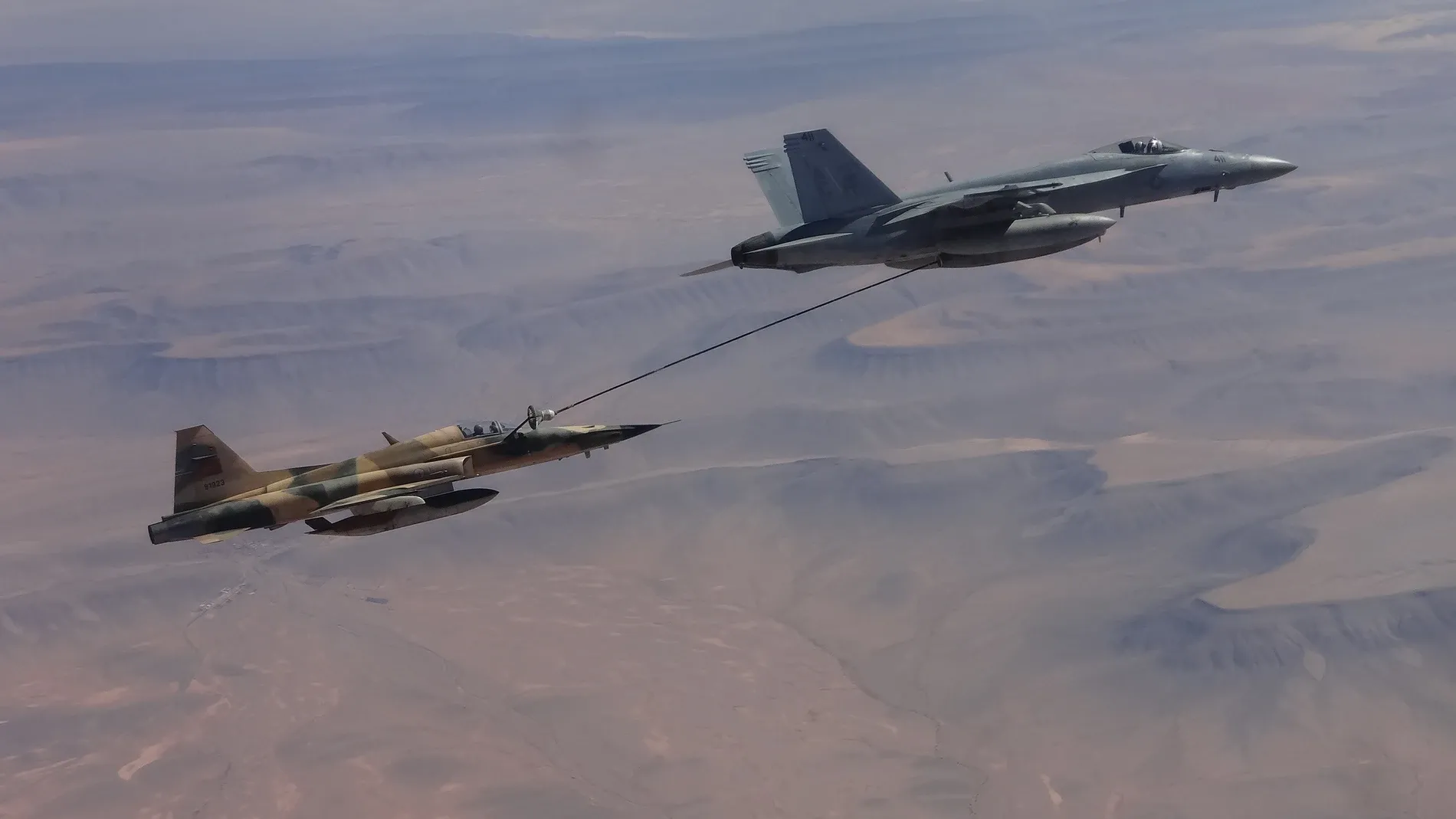
As outlined on the U.S. government website, this exercise focuses on joint operations across all domains, crisis response, and multinational interoperability. Consequently, ground, air, and naval maneuvers will be conducted among the participating armies, employing various military vehicles and systems, including the tactical data link system Link-16.
The Link-16 system, previously reserved for NATO members, was tested between the Moroccan Armed Forces and the U.S. military in mid-April, successfully establishing "direct and secure communications between both forces during the exercise," as reported by a military official to Moroccan media. This integration is crucial for future collaborations, enabling the secure exchange of information to formulate strategic plans between both armies.
This collaboration between the United States and Morocco, along with Morocco's role as the host for these operations, underscores the robust military relationship between the two and positions Rabat as a pivotal strategic point for military and diplomatic projection. This situation is further reinforced by the participation of other African countries and European nations, clearly illustrating the influence of the United States on the continent.
As reported by larazon.es.