
Majority of Unaccompanied Minors to Remain in Spain
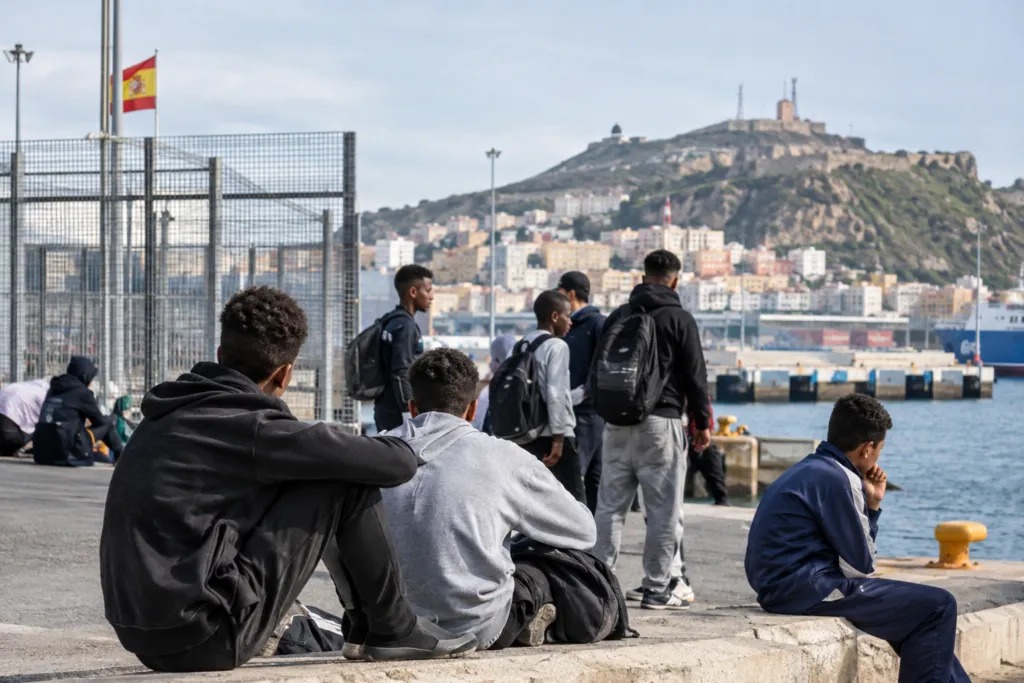
The Spanish government anticipates that most unaccompanied minors who arrived in Ceuta by the end of July will choose to stay in Spain. Youth Minister Sira Rego emphasized the importance of legal protections for these children during a statement made on Monday. "I believe that the majority wish to remain in Spain and will do so," Rego asserted, highlighting Spanish legislation that grants protection to all minors, regardless of their nationality or origin.
This statement signals a shift away from the government's earlier intentions to repatriate a significant portion of these minors back to Morocco. Minister Rego stressed that any decisions made must prioritize the rights and welfare of the children involved. The situation in Ceuta remains tense, with approximately 2,200 unaccompanied minors currently under the care of local authorities. Additionally, the Spanish government estimates that there are another 500 to 700 children and youths living on the streets, illustrating the challenges surrounding their accommodation and care.
Challenges in Accommodation and Political Disputes
Local facilities are under considerable strain, prompting Rego to advocate for the rapid relocation of these minors to the Spanish mainland. This move aims to alleviate the situation in Ceuta and ensure that adequate care is provided. The minister criticized the delays in the planned relocations, accusing the Ceuta government of exploiting the children's situation for political purposes. She expressed that the current handling of the minors has turned into a political issue, questioning the motivations behind the local government's stance.
Rego called for improved coordination among the involved authorities, insisting that the welfare of the children should take precedence over political disagreements. Originally, the Spanish government aimed to reunite the minors with their families in Morocco; however, such returns are not straightforward. Each case requires careful examination of family dynamics and the individual interests of the child, including an assessment of living conditions in the event of a return and the minor's own opinions.
Moreover, collaboration with Morocco for family reunifications has proven to be difficult, with Rego acknowledging that obstacles still exist. She emphasized that legal protections for minors apply regardless of their origin, indicating that blanket repatriation of all children who arrived in Ceuta is not an option. This dilemma has escalated into a political conflict between the central Spanish government and the Partido Popular (PP)-led government in Ceuta, with Ceuta's president, Juan Jesús Vivas, and the national PP leadership calling for steps to facilitate the minors' return to Morocco.
In contrast, the central government favors relocation to the mainland and a case-by-case assessment. Rego critiqued the PP's approach and urged for a unified solution, indicating that the matter encompasses both the repatriation issue and the distribution of responsibilities for the accommodation and care of these children. The protection of minors remains a paramount focus for the Spanish government in addressing this situation, with Rego reiterating that all children, irrespective of their nationality and country of origin, are entitled to protection.
Ultimately, whether individual minors can remain in Spain or be reunited with family in Morocco will continue to depend on specific circumstances. However, the minister's recent statements indicate that the government is preparing for a significant portion of these children and adolescents to remain in Spain for the foreseeable future, leaving the timeline and extent of the planned relocations to the mainland uncertain.
As reported by spanienpress.com.