Spain's Diplomatic Landscape: Navigating Complex Relations
Spain's foreign policy during the second term of Prime Minister Pedro Sánchez has been heavily influenced by a myriad of global players, including China, Morocco, Algeria, the United States, Israel, Palestine, Venezuela, Argentina, and Brazil. While Sánchez's initial term was characterized by a robust international presence, the shifting political landscape in Europe and among key allies has placed him in a more precarious position. His international strategy has seen attempts at leadership that have often failed to gain the necessary support from partners, exemplified by the contentious recognition of Palestine. Furthermore, a noticeable distancing from several strategic allies has emerged, complicating Spain's position on the global stage.
At the outset of his time in office, Sánchez aimed to position himself as a notable figure within European social democracy and a proponent of unity among the 27 European Union member states. However, his administration has faced significant friction with both NATO allies and EU partners at various points, transforming foreign policy into a critical component of his domestic strategy. The rise of far-right parties across Europe has provided Sánchez with a rationale to alert the Spanish populace to the threats posed by such political shifts within Spain itself.
Key International Relationships and Their Implications
China exemplifies Sánchez's evolving foreign policy direction. Over the past four years, he has made four visits to China, clearly indicating a desire to strengthen ties with Beijing, despite the European Union's characterization of China as a "systemic rival." European skepticism regarding certain Chinese investments and projects in Spain has not deterred this approach, with recent scrutiny centering on a Chinese manufacturing plant linked to MG in Ferrol, despite security concerns raised in strategic reports. In stark contrast, relations with Japan—a strategic partner patiently awaiting a defense cooperation agreement—underscore the complexities of Sánchez's diplomatic engagements.
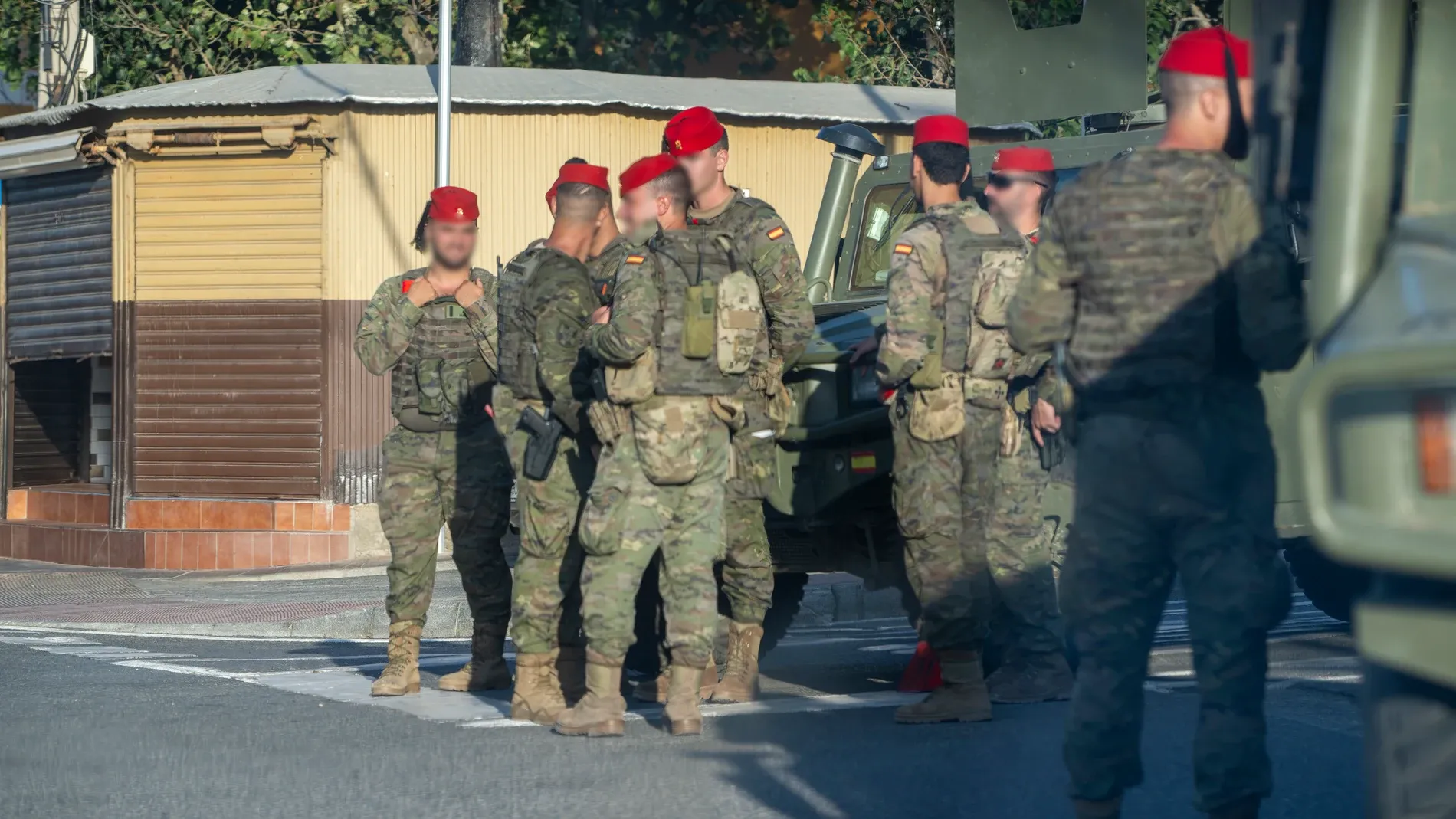
The relationships with Morocco and Algeria have posed significant challenges for Sánchez. His pivot towards Morocco regarding the Western Sahara issue sparked an unprecedented diplomatic crisis with Algeria, leading to the withdrawal of its ambassador and a freeze in relations. Although Sánchez has since managed to mend ties with Morocco, this has come at the cost of abandoning Spain's longstanding position on this territorial dispute, further straining relations with Algeria. The delicate balance between these two neighboring countries remains a primary challenge for Spanish diplomacy, especially highlighted during the recent migration crisis involving a surge of migrants to Ceuta on July 30. The strategy of appeasement towards Morocco has proven to be one of Sánchez's most criticized diplomatic choices, particularly given Morocco's alignment with figures like Trump and Netanyahu, while Sánchez finds himself increasingly isolated.
In the Middle East, the consequences of the Gaza war following the October 7 Hamas attacks have sharply defined Sánchez's foreign policy. The conflict propelled Spain into a vigorous diplomatic campaign advocating for Palestine, with Sánchez elevating the recognition of Palestine as a central tenet of his international agenda. This move garnered support from countries like Ireland and Norway, though it initially failed to attract the backing of a majority within the EU, complicating Spain's diplomatic standing with Israel. Tensions escalated as Spain imposed restrictions on military supplies to Israel and withdrew its ambassador from Tel Aviv, leading to a notable low in bilateral relations. Madrid has attempted to host international discussions to promote a two-state solution, yet Israel's participation has remained elusive, further complicating Spain's role in the broader geopolitical landscape.
The arrival of Donald Trump in the White House has added another layer of complexity to Spain's relationship with the United States. While technical cooperation persists, political relations have been fraught with discord, particularly regarding defense spending. Sánchez's hesitance to meet NATO's military expenditure commitments has been met with public criticism from Trump, straining their interactions significantly. The Spanish government's position on U.S. military operations in the Middle East has also been a source of friction, as Sánchez seeks to assert the strategic value of Spanish military bases while maintaining restrictions on their use for certain operations.
Venezuela represents another arena where foreign policy has intersected with domestic political dynamics. Sánchez's stance towards Nicolás Maduro's regime has evoked criticism from both the Spanish opposition and some international allies. While Spain has acted as a refuge and mediator for Venezuelan leaders, it has not succeeded in becoming a pivotal player capable of influencing the political future of Venezuela decisively.
Argentina has also emerged as a focal point of diplomatic tension, particularly following the election of Javier Milei. This relationship witnessed an unprecedented institutional clash fueled by provocative statements from both Milei and Spanish government officials, culminating in the temporary withdrawal of Spain's ambassador in Buenos Aires. This episode starkly illustrated how Sánchez's foreign policy is ensnared in the polarized political climate of Spain.
Conversely, the relationship with Brazil has flourished, marked by an ideological and strategic alignment between Sánchez and President Lula da Silva. Sánchez's visit to Brazil in March 2024, alongside joint efforts to advance the EU-Mercosur agreement, culminated in the first bilateral summit between Spain and Brazil in Barcelona earlier this year.
Ultimately, Spain's foreign policy under Sánchez is characterized by multiple open fronts and a continuous pursuit of international prominence, albeit without the corresponding capacity to enforce Spain's agenda effectively. The recognition of Palestine, conflicts with Israel, tensions with Algeria, a pivot towards Morocco, disagreements with Trump, relations with China, and clashes with Milei have positioned Sánchez's foreign policy as a highly visible yet precarious domain.
Looking ahead, Madrid will have a final opportunity to showcase Spain's potential for international leadership at the upcoming Ibero-American Summit. This gathering is expected to serve as a significant test for Sánchez as he navigates through a series of diplomatic conflicts that have placed Spain both in the spotlight and at odds with certain allies. The ability to convene Ibero-American leaders, re-establish consensus, and position Spain as a bridge between Europe and Latin America will ultimately determine whether Sánchez's international strategy can transform visibility into tangible influence.
As reported by elmundo.es.