Spain's Military Response to Migrant Influx in Ceuta
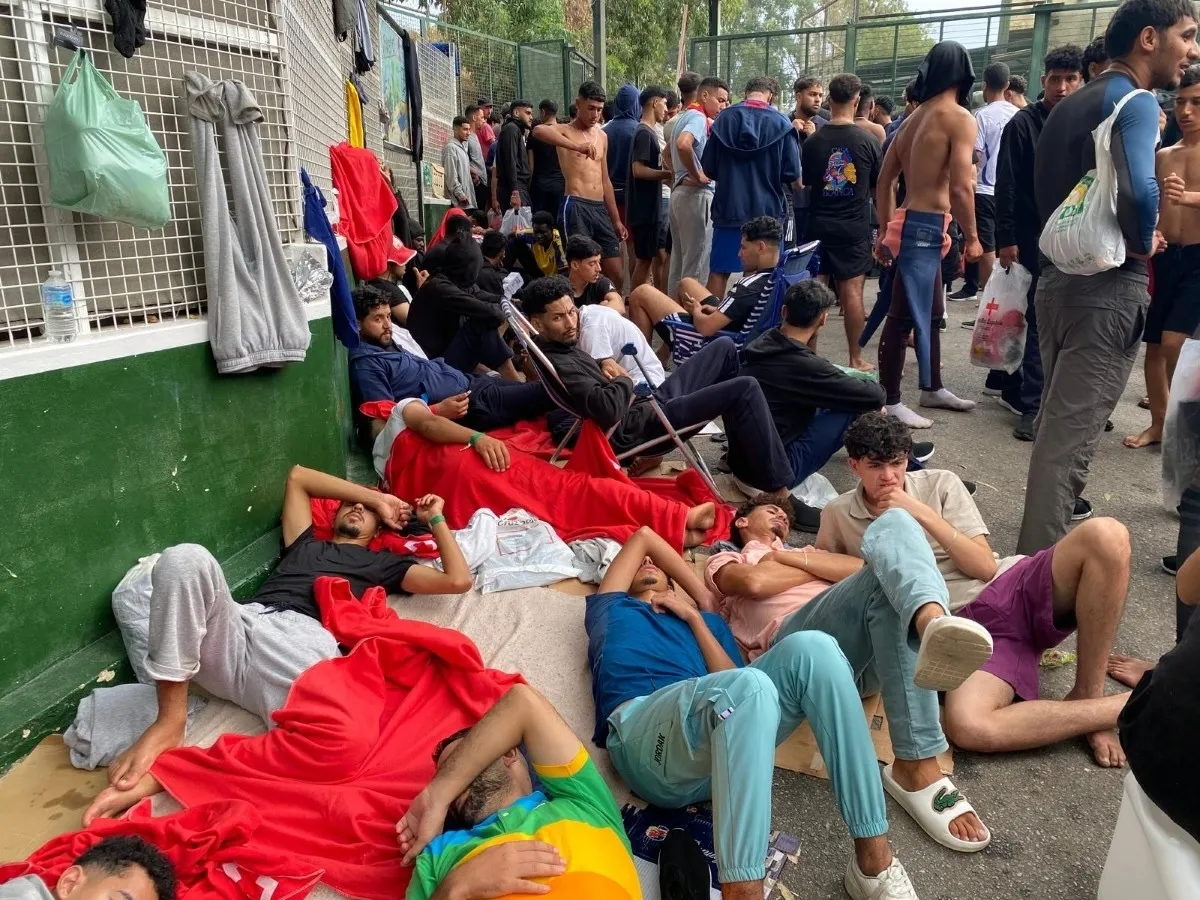
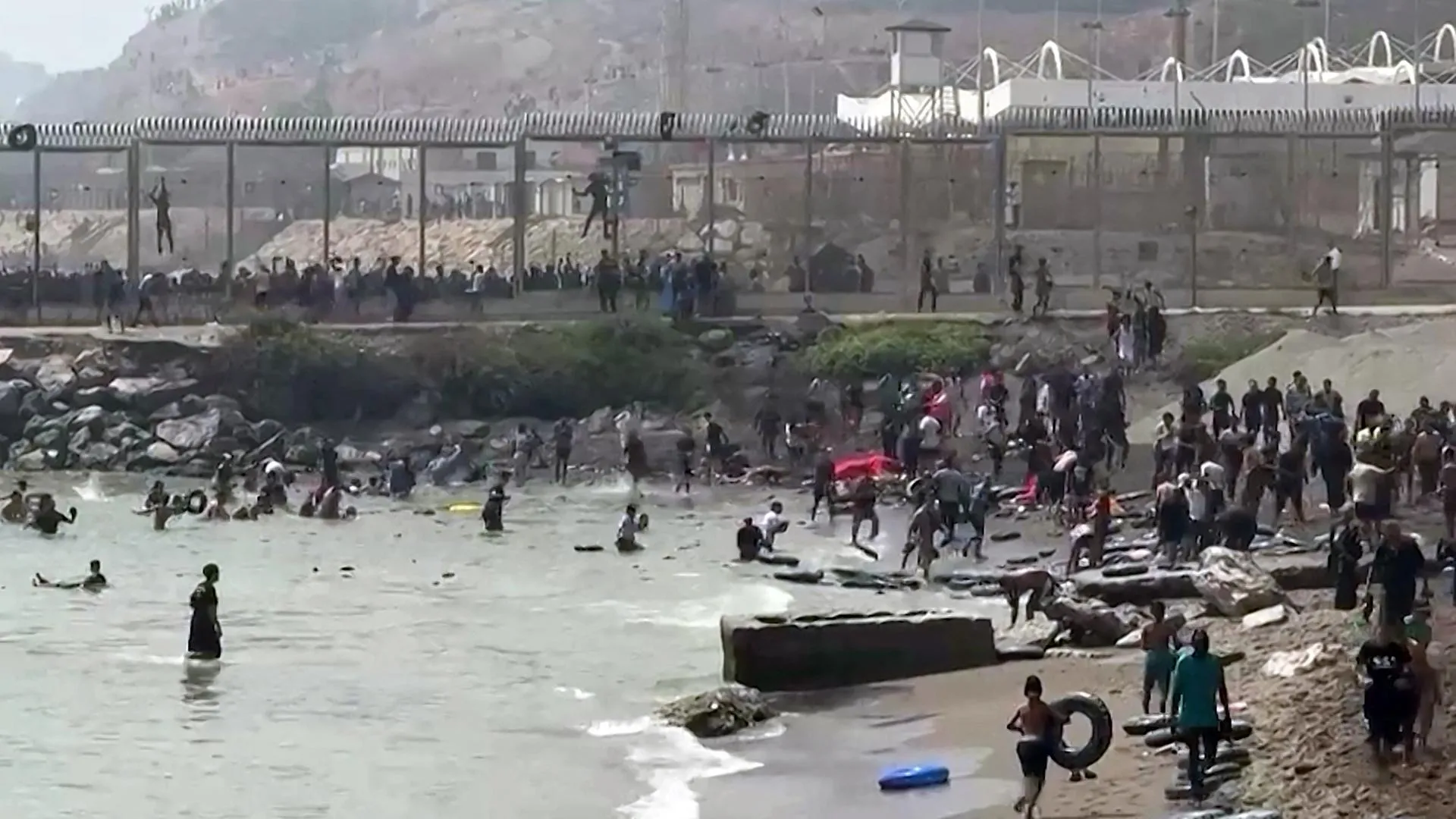
The Spanish government has announced a military deployment in the enclave of Ceuta following a significant influx of migrants crossing the border. This decision comes in the wake of thousands of individuals arriving from Morocco, many of whom managed to swim across the waters separating the two countries. The urgency of the situation has prompted Prime Minister Pedro Sánchez and Interior Minister Fernando Grande-Marlaska to plan a visit to Ceuta to address the ongoing crisis.
Reports indicate that by tomorrow, three trains carrying twenty soldiers each, along with a military ship, will be sent to the enclave to assist local authorities in managing the overwhelming number of new arrivals. The situation has been further complicated by the tragic loss of at least nine lives during the tumultuous crossings, as described by the head of the Spanish Civil Guard union, who noted the inability to provide accurate numbers due to the chaotic circumstances.
Authorities link this surge in migration to a recent ruling by the Spanish Supreme Court, which prohibits the immediate expulsion of migrants arriving by sea without proper legal procedures. This judicial decision has created a complex scenario for border control, leading to heightened tensions between Spain and its European neighbors, particularly Italy. The Italian government has called for Spain's exclusion from the Schengen Area in light of the events in Ceuta, prompting a diplomatic response from Spain, which summoned the Italian ambassador for discussions.
This situation underscores the ongoing challenges faced by European nations in managing migration flows and highlights the urgent need for cooperative solutions that respect human rights while ensuring border security. The developments in Ceuta are part of a broader narrative on migration in Europe, where the pressures of conflict, economic instability, and asylum-seeking continue to shape the political landscape.
As reported by deutschlandfunk.de.