The current coalition that governs Morocco is set to undergo significant changes following the preliminary results of the legislative elections held on Wednesday. The Authenticity and Modernity Party (PAM), a key member of the existing government coalition, emerged as the frontrunner, securing 97 out of 395 seats in the House of Representatives, as confirmed by Interior Minister Abdelouafi Laftit. This strong performance positions PAM as a pivotal player in shaping Morocco's political landscape.
Trailing behind PAM is the National Rally of Independents (RNI), the party led by the current Prime Minister Aziz Akhannouch, which finished in second place with 66 seats. This marks a notable decline, as it represents a loss of approximately thirty seats compared to the previous elections in 2021. Close on the RNI's heels is the third coalition party, the Istiqlal Party, which managed to secure 65 seats, showcasing a competitive political environment within the coalition.
Despite stepping back from leadership within the RNI, Prime Minister Akhannouch has worked diligently to defend his administration's track record, even in light of accusations related to conflicts of interest involving his company Afriquia, a leading firm in the hydrocarbon distribution sector in Morocco. His political maneuvers will be crucial as the coalition seeks to maintain stability amidst these shifts.
Record Low Voter Turnout
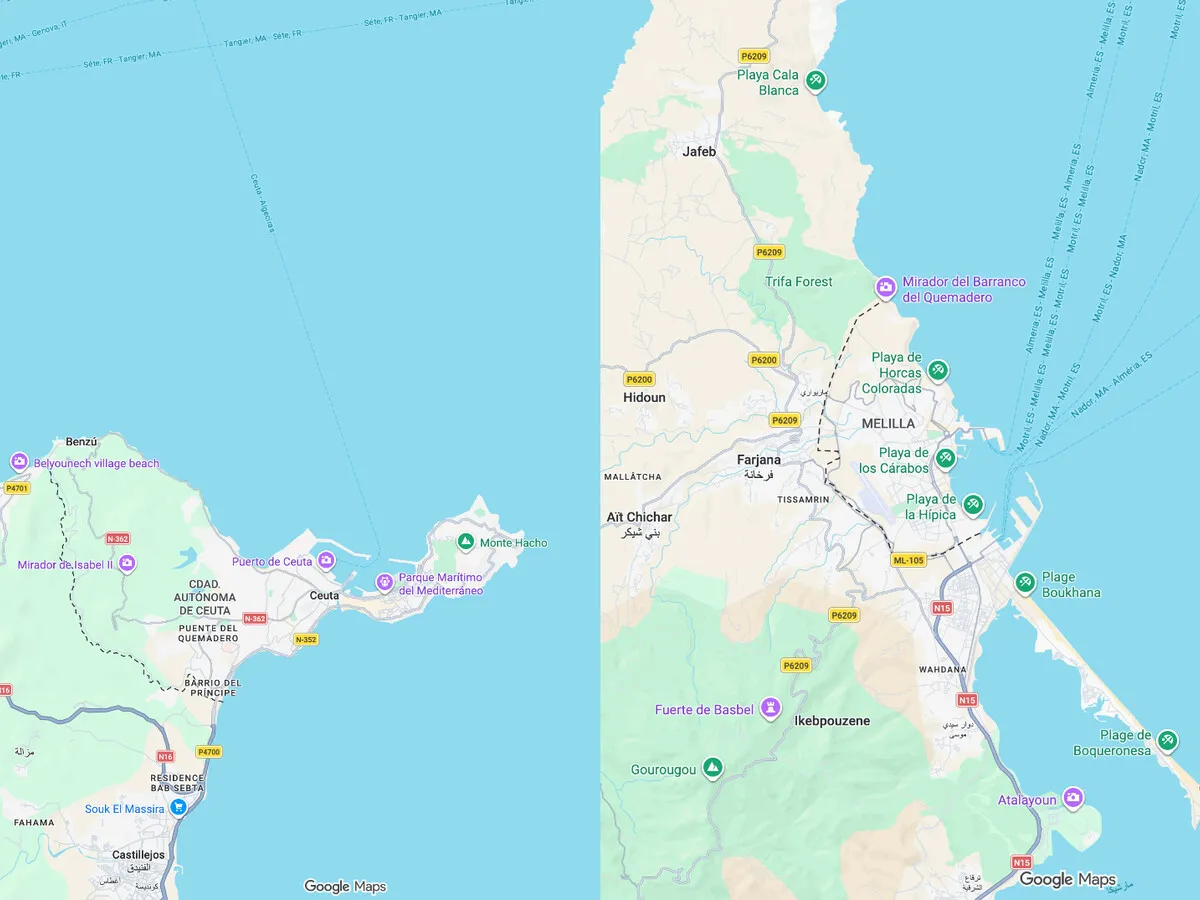
The elections were further characterized by an unprecedented low voter turnout, with participation recorded at just 38.08%, marking the lowest rate in nearly two decades. This alarming figure reflects a growing disenchantment with the political class, exacerbated by ongoing concerns regarding unemployment and social inequalities. Furthermore, the political climate was influenced by the recent migration crisis in Ceuta, which highlighted the lack of opportunities for a significant portion of the youth, despite Morocco's sustained economic growth and ambitious projects in preparation for the 2030 World Cup hosted alongside Spain and Portugal.
Future Leadership and Economic Promises
Founded in 2008 by the current royal advisor Fouad Ali El Himma, the PAM was originally established to counterbalance Islamist parties within the political arena. However, El Himma distanced himself from the party during the Arab Spring, facing allegations of attempting to consolidate its dominance in Moroccan politics. The new Prime Minister, appointed by King Mohammed VI, is expected to come from PAM, following their electoral success. The party has managed to rally support around the popular figure of Budget Minister Fouzi Lekjaa, who is now in the spotlight as a potential leader. In the absence of a clear leader, Fatima Ezzahra El Mansouri, the Minister of Land Use Planning and Mayor of Marrakech, is also being considered as a historic first female head of government, according to local media reports.
The forthcoming Prime Minister will be tasked with forming a coalition executive that is expected to govern for five years, although the overarching strategic direction will remain under the king's purview. During the campaign, PAM made ambitious promises, including a target of achieving an average annual growth rate of 5%, maintaining inflation at 2% to protect purchasing power, and creating at least one million jobs during its tenure. As Morocco navigates these political transitions, the outcome of these promises will be critical in addressing the pressing challenges faced by its citizens.
As reported by lesechos.fr.