

Increasing Tensions Between Morocco and Spain
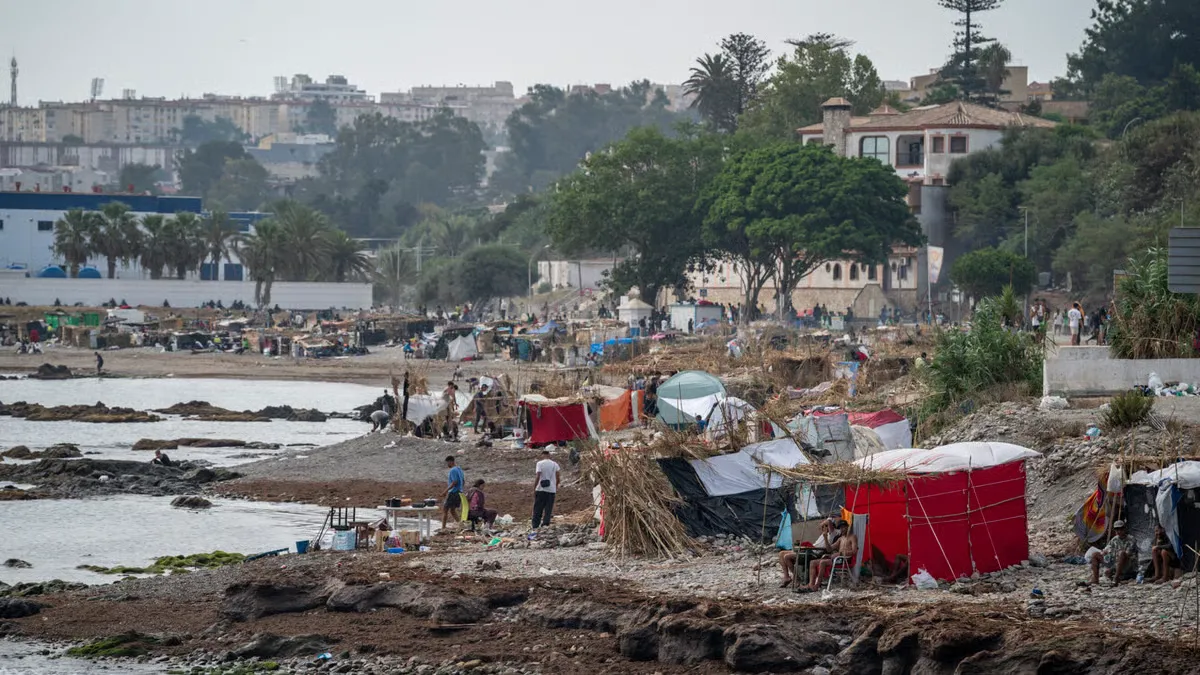
In recent months, the political climate between Spain and Morocco has escalated, particularly under the leadership of Spanish Prime Minister Pedro Sánchez. Following a summer influx of over 70,000 migrants into the Spanish exclave of Ceuta, hopes for a resolution to tensions have been dashed. At a recent religious ceremony in Rabat, Morocco’s Minister of Islamic Affairs, Ahmed Toufiq, made a pointed reference to a 15th-century imam, suggesting that Moroccans should seek to "liberate the occupied cities," which is widely interpreted as a direct challenge to Spain's sovereignty over the cities of Ceuta and Melilla. This bold statement underscores a pattern of escalating territorial claims from Rabat, further complicating Sánchez's already tenuous position.
Just last week, Spain's foreign ministry was compelled to counter a call from Morocco’s Justice Minister, Abdellatif Ouahbi, who suggested discussions regarding the future of Ceuta and Melilla were necessary, citing Morocco's historical claims. As Sánchez prepares for a general election in the near future, his government is grappling with corruption scandals, making the need for stable relations with Morocco crucial. The North African nation is a vital partner for Spain in areas such as trade, migration, and combating drug trafficking. In light of this, Sánchez has refrained from directly criticizing Moroccan authorities, instead attributing the migrant surge to smuggling networks and misinformation spread via social media.
Domestic Reactions and Political Fallout
This diplomatic approach, however, is not resonating well with various political factions within Spain. Critics across the political spectrum argue that Morocco’s withdrawal of border guards preceding the migrant crisis illustrates a lack of respect for Spain's sovereignty. Alberto Núñez Feijóo, leader of the conservative People’s Party (PP) and a leading contender to replace Sánchez as prime minister, remarked that Sánchez seems to act more like a subordinate of Morocco than a leader of Spain, asserting that Spain cannot be subjected to blackmail from its Mediterranean neighbor. The far-right Vox party has taken an even stronger stance, characterizing the events at Ceuta as an "act of war" instigated by Morocco.
Notably, even leftist parties such as Podemos have voiced similar sentiments, describing Morocco's actions as a "hostile act of hybrid war." Meanwhile, Sumar, a coalition partner in Sánchez’s leftist government, has called for Morocco to lose its status as a co-host of the 2030 World Cup due to its alleged involvement in the crisis. The political ramifications of these developments are profound, affecting not only domestic governance but also Spain's international relations.
The backdrop to these tensions may involve international dynamics, particularly with the influence of former U.S. President Donald Trump. Analysts suggest that King Mohammed VI of Morocco aligns closely with Trump’s administration, potentially using this relationship to challenge Sánchez's leadership. The Spanish prime minister has positioned himself as a critic of Trump, opposing U.S. military actions in Iran and condemning Israeli actions in Gaza. In stark contrast, King Mohammed has been keen to maintain favorable relations with the Trump administration, even naming a major highway after the former president this past summer.
In summary, the relationship between Spain and Morocco is at a critical juncture, as Sánchez navigates a complex political landscape fraught with challenges both at home and abroad. The increasing assertiveness of Morocco in territorial claims, coupled with domestic political pressures, indicates that the situation is likely to intensify in the coming months.
As reported by politico.eu.
