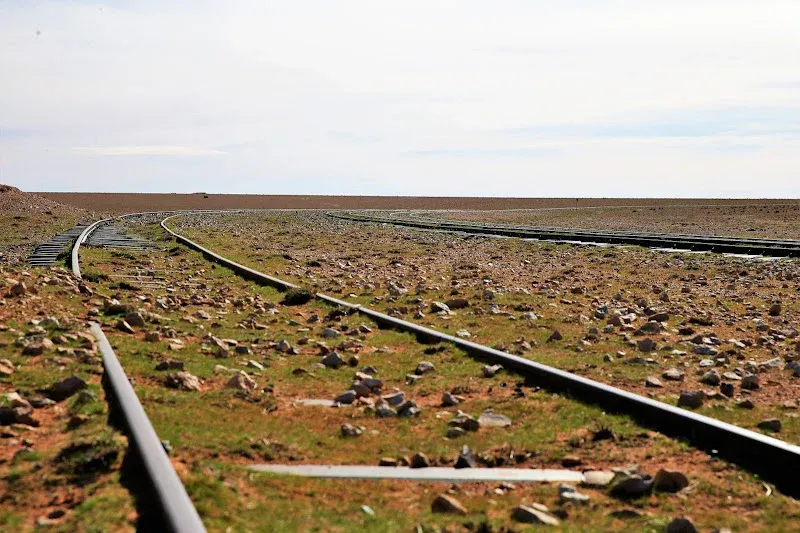

The long-debated Maghreb railway project, which aims to connect the North African nations of Morocco, Algeria, and Tunisia, has once again come to the forefront of discussion. This renewed interest follows the release of a feasibility study by the African Development Bank, prepared in collaboration with the General Secretariat of the Arab Maghreb Union. The study outlines the necessary rehabilitation and modernization of specific segments of the railway line, emphasizing the importance of cross-border connectivity and technical compatibility among the rail networks of these three countries.
Reducing Travel Time and Distances
The document highlights that the funding for this ambitious project will primarily come from a grant of $1.7 million from the Infrastructure Project Preparation Fund, part of the New Partnership for Africa's Development (NEPAD), alongside financial contributions from the Arab Maghreb Union. The anticipated long-term impact of the project includes a significant reduction in travel time across this corridor, decreasing the train journey from 48 hours to just 25 hours by the years 2050-2065. Additionally, it aims to lower costs associated with transporting goods and passengers while also reducing carbon emissions.
Furthermore, the report indicates that the technical support for the project intends to position this strategic infrastructure for regional integration as an attractive investment opportunity. This will be achieved by providing a recognized framework to mobilize the necessary resources for its completion. The study also establishes a tripartite institutional framework to manage the project and proposes organizing a roundtable for donors and financial partners to support the investment phase.
Notably, the project aligns with the action plan of the Programme for Infrastructure Development in Africa (PIDA-PAP 2) and contributes to the overarching goal of continental railway connectivity. It aims to foster sustainable economic development in North Africa by enhancing more efficient, safe, and competitive railway transport.
Integration with National Projects
The African Development Bank has stated that the modernization of the Maghreb railway is closely aligned with the national and regional policies of the beneficiary countries. This railway corridor connecting Casablanca to Tunis via Algeria will complement ongoing national projects in each of these nations while reinforcing regional efforts toward economic integration. Moreover, the newly proposed segments, such as the new line from Annaba to the city of El Jadida and the Fes to Oujda to Colonel Abbas route, aim to close critical gaps in the Maghreb railway network. These strategic choices are based on national policies for railway modernization and the priorities established by the Maghreb Railway Transport Committee (CTFM).
The project is seen as a complement to several major initiatives already underway in the region, including the high-speed train line between Tangier and Casablanca in Morocco, the northern circular railway in Algeria, and the modernization of phosphate transport lines in Tunisia. The African financial institution has recommended that the Arab Maghreb Union secure a formal commitment from member states to mobilize their national contributions as outlined in the grant agreement before the actual implementation phase begins. This commitment should be integrated into the execution timeline to mitigate risks of suspension or cancellation of key activities.
Moreover, it suggested establishing a structural monitoring mechanism, such as a dedicated working group, a regional coordination platform, or a technical secretariat responsible for tracking partner commitments, facilitating donor coordination, and ensuring the coherence of necessary investments to realize the Maghreb railway. Engaging the relevant sector ministries of member states proactively during the project's identification and design phases is also recommended to ensure their adoption of the project and to clearly delineate future responsibilities.
According to previous information obtained by Hespress from sources within the Arab Maghreb Union, the total estimated cost for this project is approximately $3.8 billion. However, tensions between Maghreb nations, particularly between Morocco and Algeria due to Algeria's support for separatist claims in Western Sahara and the closure of borders that the railway is supposed to traverse, remain significant obstacles to the project's advancement.
As reported by hespress.com.