The inhabitants of Beni Ammar Kasbah in the Zahrone region have called on the relevant authorities to urgently intervene and address the numerous challenges plaguing their area. They are advocating for enhanced infrastructure and the alleviation of isolation, which would ensure a minimum standard of living and safeguard the health of the community from escalating risks.
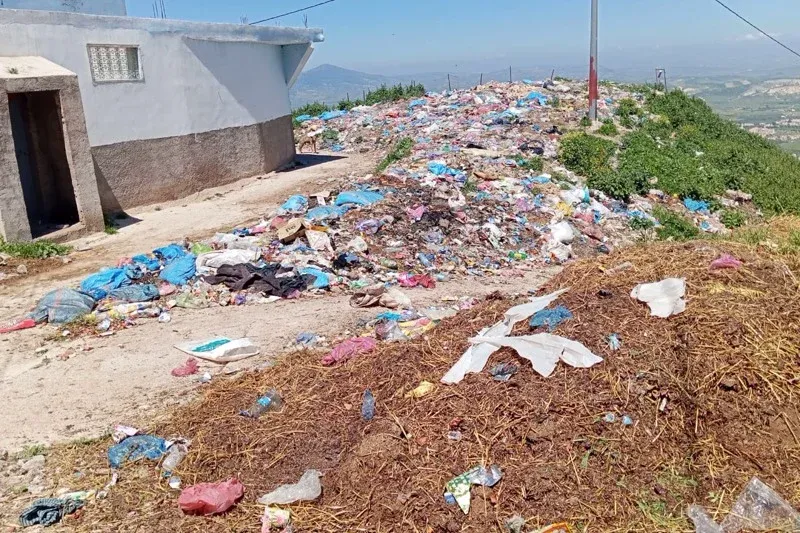
Daily life in the Kasbah is fraught with various pressures, the most pressing of which is the accumulation of household waste due to the absence of an organized disposal site, posing a significant public health threat. Additionally, the streets are riddled with potholes caused by rain or incomplete construction work, which have not been rectified to restore the roads to their previous conditions.
Moreover, the roads connecting the Kasbah to the cities of Zahrone, Nzal, and Fes have noticeably deteriorated, further endangering road users in the absence of routine maintenance. In the education sector, the local primary school is suffering from deteriorating infrastructure, with its classrooms, doors, windows, and sanitary facilities in dire need of urgent rehabilitation.
In terms of access to potable water, residents are experiencing frequent interruptions, despite the rainfall that the country has received in recent months. This situation is attributed to the aging water supply pipelines that connect the Kasbah to Ain Al-Anzar, which date back to the late 1960s.
The current state of affairs is particularly disheartening considering that the Zahrone Mountain region is rich in natural, tourist, and human resources. Yet, it continues to face symptoms of marginalization, such as limited job opportunities, especially among the youth, and a lack of genuine appreciation for its potential, despite royal directives urging rural development and regional justice.
It is crucial for the residents to subscribe to the newsletter of Hespress to receive the latest news daily. The Zahrone Mountain region is renowned for its stunning landscapes, historical monuments, friendly inhabitants, cultural heritage, and its historical resistance against colonization. Unfortunately, it remains marginalized and is often considered part of the 'non-productive' areas of Morocco. The community hopes that authorities will prioritize its development as they have done for other regions.
Beni Ammar is not the only locality facing infrastructure deficiencies; all villages in the area suffer from inadequate roads, water supply issues, lack of waste disposal sites, substandard sanitation, and wastewater treatment facilities, with much of the waste being dumped in local valleys. This situation contributes to unpleasant odors and an increase in insects, particularly during the summer months. With elections approaching, the residents are urged to choose representatives who are capable of advocating for the region's interests and who can successfully engage with public administration to attract development projects.
As reported by hespress.com.